Health & Wellness Guide: Simple Tips for Better Living
Looking to feel better without a lot of hassle? You’re in the right spot. This guide breaks down everyday actions that boost energy, improve mood, and support overall health. No fancy jargon—just clear steps you can start right now.
Nutrition Made Simple
Food is the foundation of any wellness plan. Aim for a plate that’s half veggies, a quarter lean protein, and a quarter whole grains. Adding a splash of healthy oil, like soybean oil, can give you a boost of omega‑6 fatty acids that support heart health and skin comfort. Use it for cooking or drizzle over salads—no need for complicated recipes.
Don’t forget the power of water. Drinking enough fluid helps digestion, keeps skin clear, and supports mental focus. A good rule of thumb is to sip a glass every hour you’re awake. If plain water feels boring, try infusing it with a slice of lemon or cucumber.
Move Your Body, Feel the Difference
Exercise doesn’t have to mean long gym sessions. Even a 10‑minute walk after meals can improve blood sugar and lift mood. If you enjoy music, put on your favorite playlist and dance around the living room—movement is movement. Consistency beats intensity, so pick activities you actually like and stick with them.
Strength training is another simple win. Using body‑weight moves like squats, push‑ups, or a sturdy chair for dips builds muscle and keeps metabolism humming. Start with one set of ten reps, and add a few more each week. You’ll notice stronger joints and better balance.
Sleep, stress, and mindset are the third pillar of wellness. Aim for 7‑9 hours of quality sleep; dim the lights an hour before bed, and keep screens out of the bedroom. When stress creeps in, try a quick breathing exercise: inhale for four counts, hold for four, exhale for four, and repeat three times. It resets your nervous system without any extra cost.
Finally, think about supplements as a backup, not a replacement. If your diet lacks certain nutrients, a daily multivitamin or a targeted supplement—like vitamin D in winter months—can fill gaps. Always check with a health professional before adding new pills, especially if you take prescription meds.
Putting these pieces together—balanced meals, regular movement, good sleep, and mindful stress management—creates a solid health and wellness routine. Start small, track what feels good, and adjust as you go. Your body will thank you with more energy, clearer skin, and a steadier mood.

Medication Reminder Strategies: Apps, Alarms, and Organizers
Discover the best medication reminder strategies using apps, alarms, and smart organizers to improve adherence and safety.
Read more
Feverfew and Anticoagulants: Understanding Bleeding Risks and Safety
Explore the risks of mixing Feverfew with anticoagulants. Learn how this common migraine herb affects blood clotting, the science behind parthenolide, and safety guidelines for preventing excessive bleeding.
Read more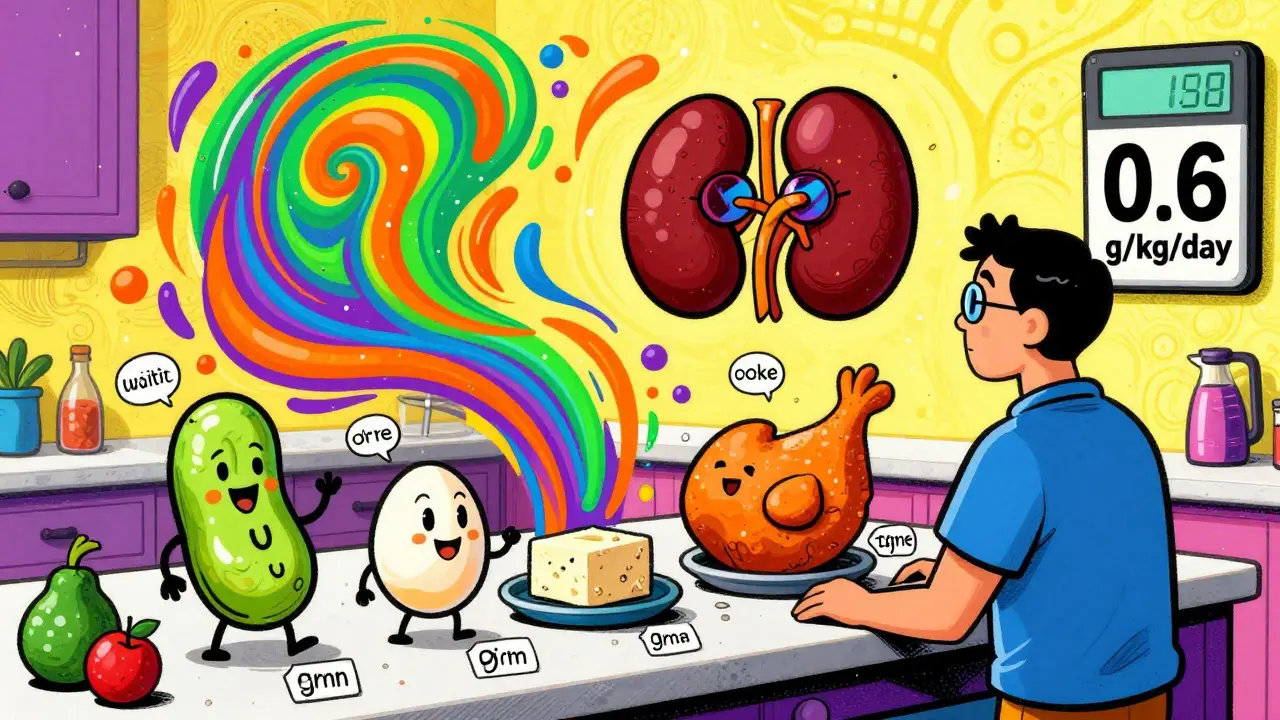
Renal Nutrition: Protein Targets for CKD Stages Explained
Learn the science-backed protein targets for each stage of chronic kidney disease. Find out how much protein to eat, which sources are best, and how to avoid muscle loss while protecting your kidneys.
Read more
Herbal Supplements in Pregnancy: What’s Safe and What’s Not
Herbal supplements in pregnancy are widely used but poorly regulated. Ginger is the only one with strong safety evidence. Most others carry unknown risks. Always talk to your provider before taking anything.
Read more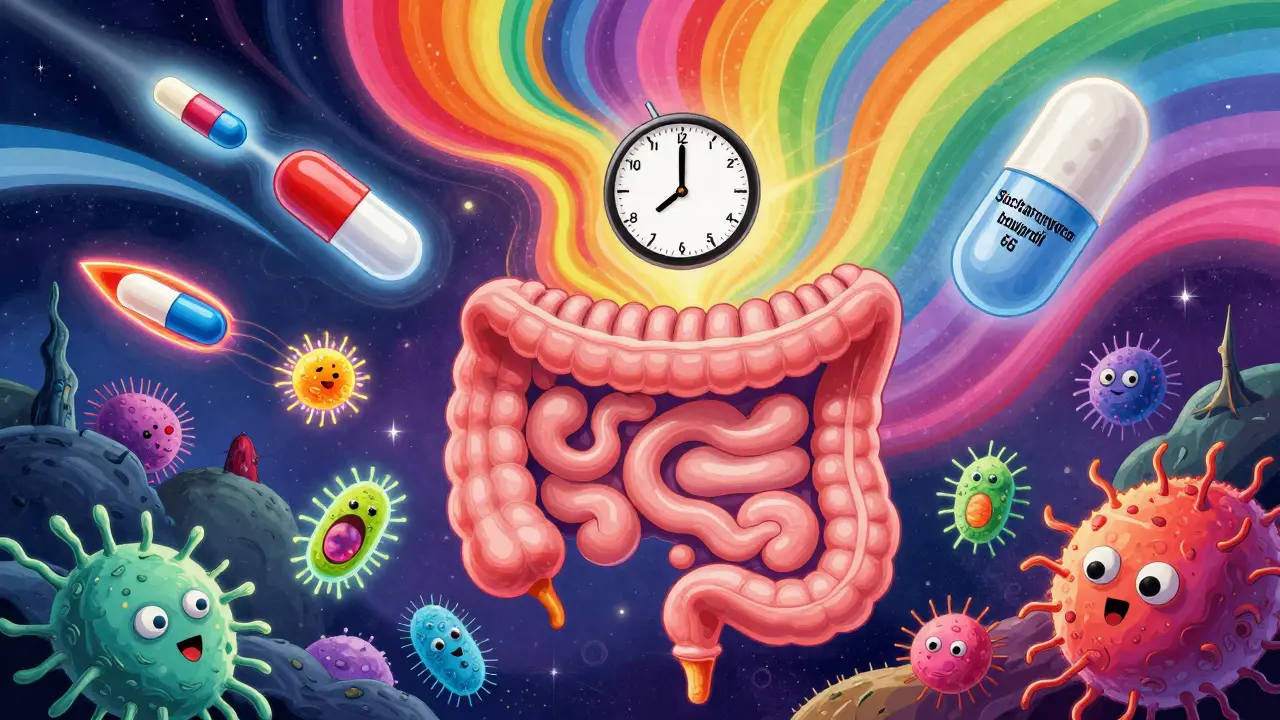
Probiotics with Antibiotics: Best Timing to Reduce Side Effects
Learn the best timing for taking probiotics with antibiotics to reduce diarrhea and gut damage. Discover which strains work, how to take them, and what to avoid.
Read more
Return to Work With Chronic Pain: Accommodations and Plans That Actually Work
Learn how to return to work with chronic pain using legal accommodations, practical adjustments, and clear communication strategies that boost retention and reduce pain at work.
Read more
Chemical Eye Injury First Aid: Immediate Steps to Save Your Vision
Chemical splashes in the eye require immediate action to prevent permanent damage. Learn the exact first aid steps, common mistakes to avoid, and how to prepare for emergencies. Research shows acting within 10 seconds cuts vision loss risk by 76%. This guide covers all you need to know for safe, effective response.
Read more
Mindful Eating: How to Stop Emotional and Binge Eating Without Dieting
Mindful eating helps stop emotional and binge eating by teaching you to pay attention to hunger cues, emotions, and sensations during meals-without dieting or restriction. Research shows it reduces binge episodes by up to 67% and improves long-term food habits.
Read more
Psoriasis and Psoriatic Arthritis: Understanding the Autoimmune Link Between Skin and Joints
Psoriatic arthritis is an autoimmune condition that links skin plaques with joint damage. About 30% of psoriasis patients develop it. Early diagnosis and targeted treatments can prevent permanent joint damage and reduce heart risks.
Read more
Nonalcoholic Fatty Liver Disease: How It Progresses and How to Reverse It
Nonalcoholic fatty liver disease (NAFLD), now called MAFLD, affects 1 in 4 people globally. Learn how it progresses from fat buildup to scarring - and how diet, exercise, and weight loss can reverse it without medication.
Read more
Antibiotics and Birth Control Pills: What Really Happens? Facts vs. Myths
Most antibiotics don't affect birth control pills-only rifampin, rifabutin, and griseofulvin do. Learn the facts behind the myth, which antibiotics are safe, and what to do if you're prescribed a risky one.
Read more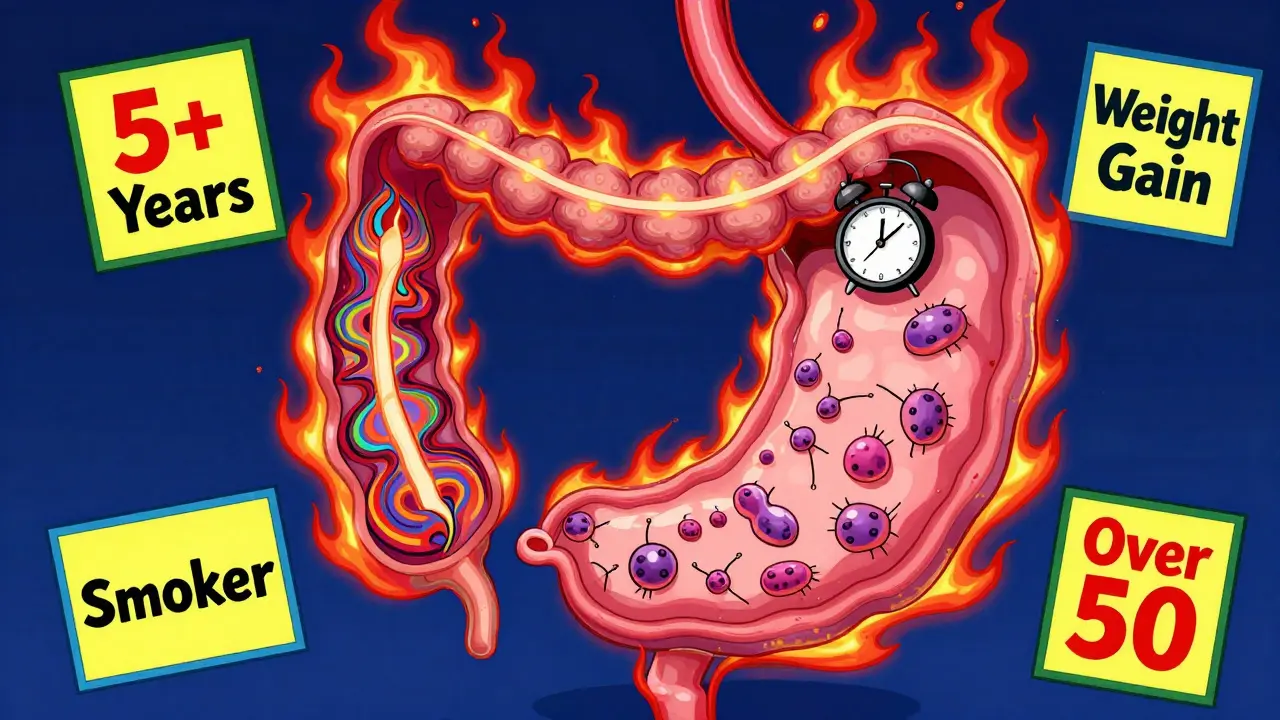
Esophageal Cancer Risk: Chronic GERD and the Red Flags You Can't Ignore
Chronic GERD is the leading risk factor for esophageal cancer. Learn the red flags-like trouble swallowing and unexplained weight loss-and what steps you can take to protect yourself if you've had acid reflux for five years or more.
Read more