Tag: generic drugs
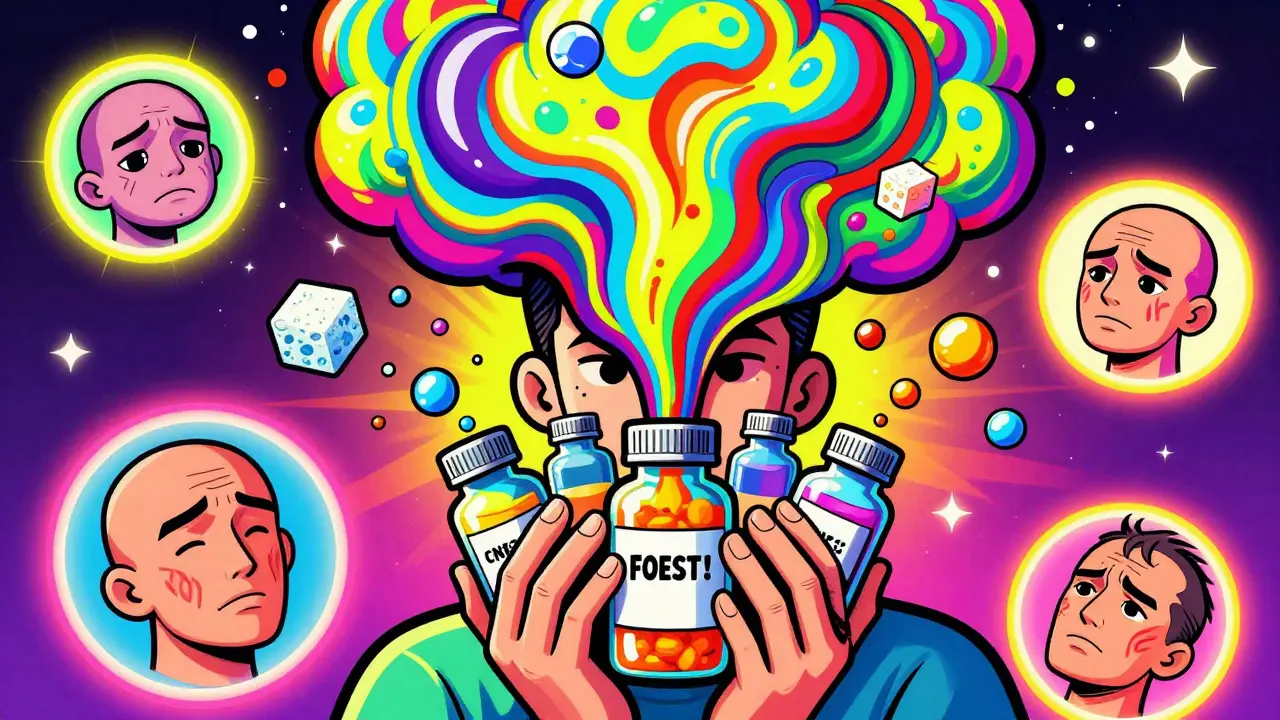
Inactive Ingredient Interactions in Generic Medication Combinations
Inactive ingredients in generic medications can interact when taken together, causing unexpected side effects. Learn how fillers, dyes, and preservatives in multiple generics may trigger reactions - and what you can do to stay safe.
Read more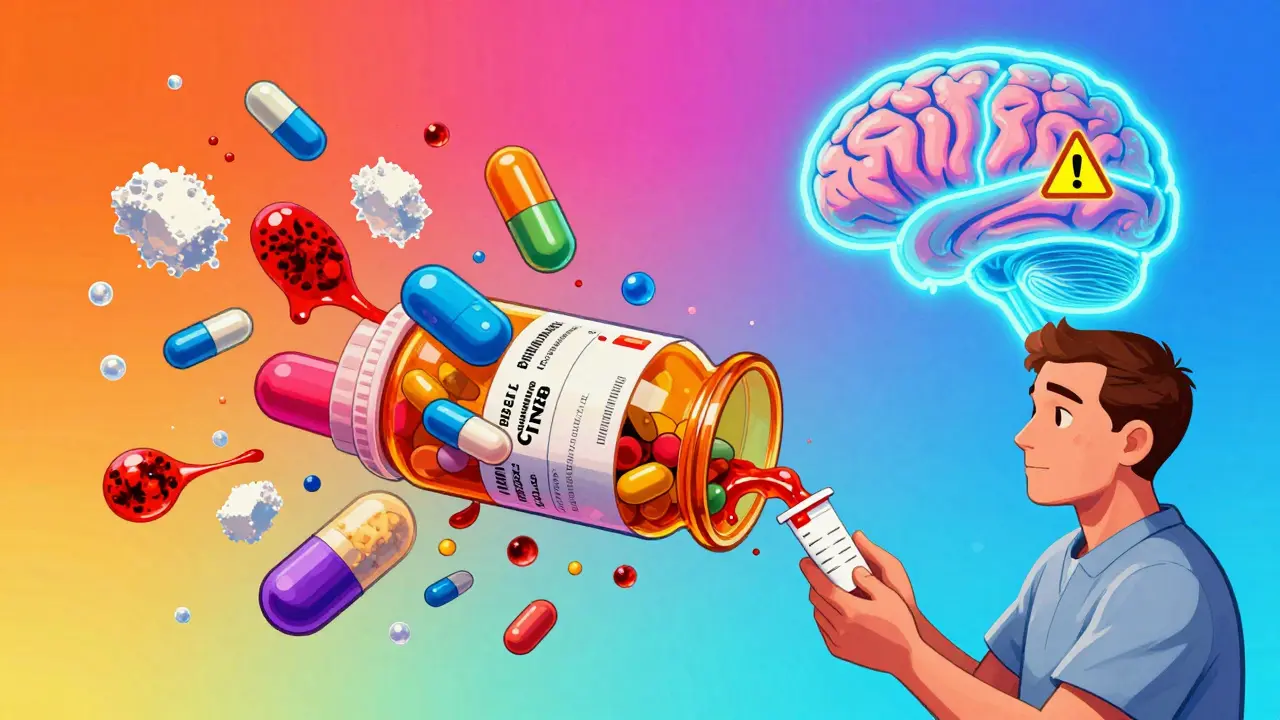
Inactive Ingredient Interactions in Generic Medication Combinations
Inactive ingredients in generic medications can interact when taken together, causing side effects or reducing effectiveness. Learn how fillers, dyes, and preservatives in multiple generics can impact your health - and what to do about it.
Read more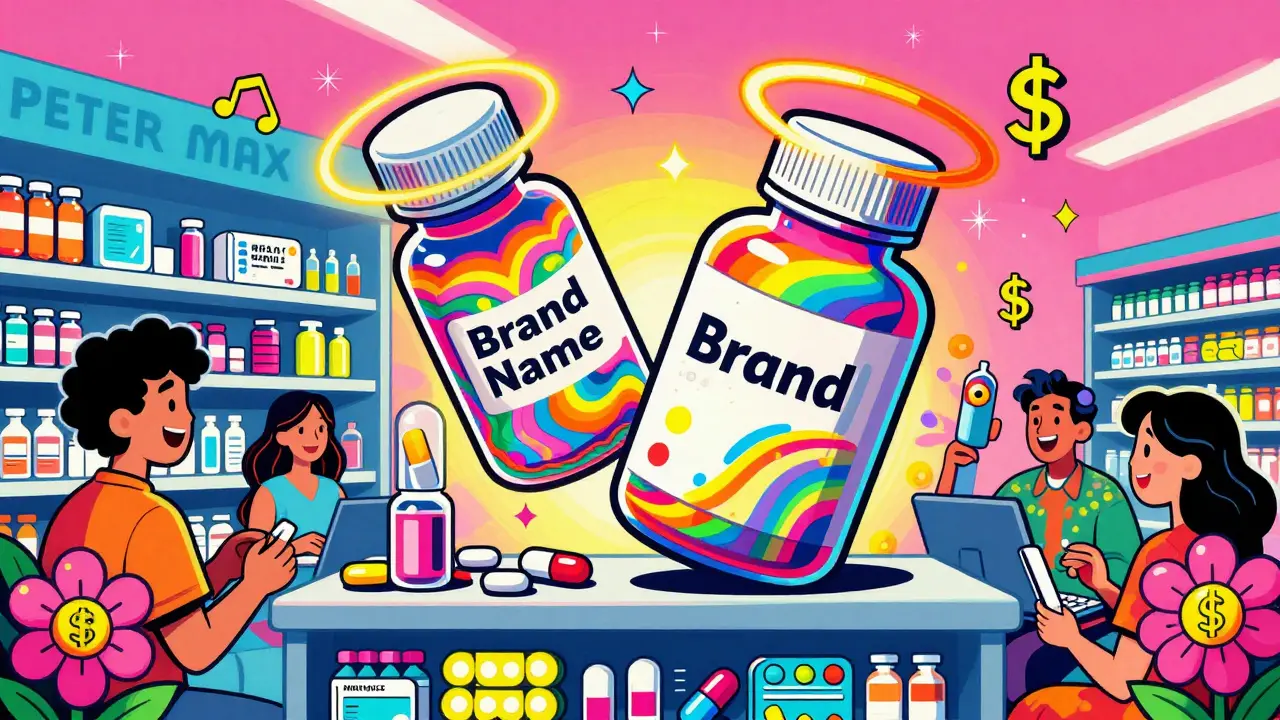
Future Role of Authorized Generics: Market Outlook
Authorized generics are brand-name drugs sold under a generic label, playing a strategic role in drug pricing and market competition. As patents expire on high-revenue drugs, their use is shifting toward faster market entry and domestic production.
Read more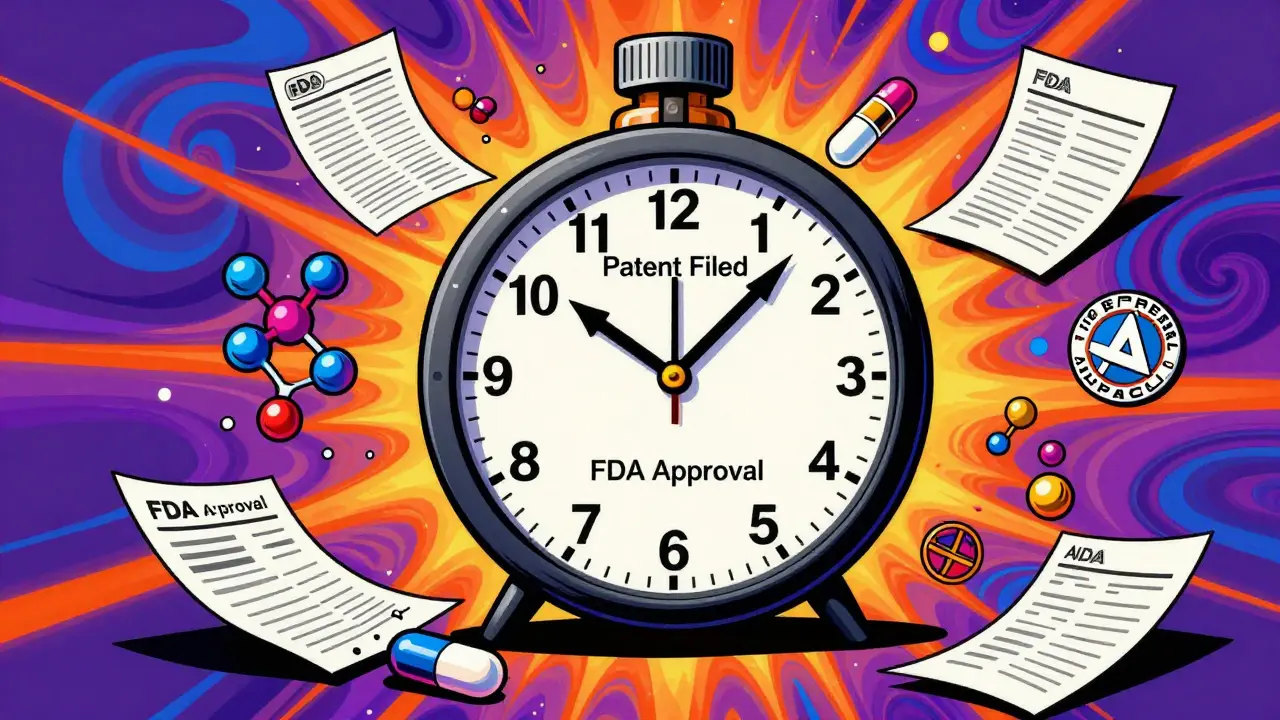
When Do Drug Patents Expire? Understanding the 20-Year Term and Real-World Timelines
Drug patents last 20 years from filing, but most drugs have only 7-12 years of market exclusivity due to long approval times. Learn how patent extensions, regulatory exclusivity, and litigation delay generic entry - and what it means for drug prices.
Read more
How Buyers Use Generic Drug Competition to Lower Prices
Buyers like Medicare use the threat of generic drug competition to force lower prices on brand-name medications. With multiple generics available, prices can drop by over 90%. This strategy saves billions but faces challenges from anti-competitive tactics and complex drug manufacturing.
Read more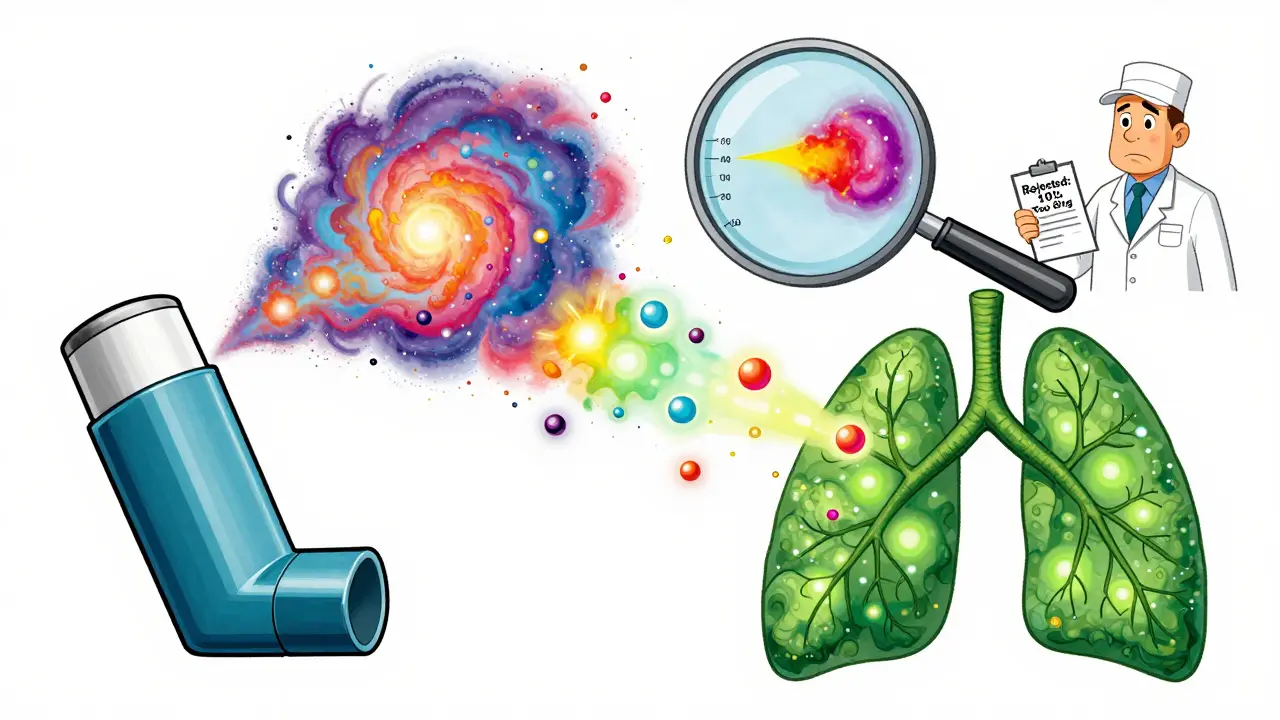
Bioequivalence for Inhalers, Patches, and Injections: How Generic Drugs Match the Real Thing
Bioequivalence for inhalers, patches, and injections isn't just about matching drug amounts-it's about ensuring the drug reaches the right place in your body the same way as the brand. Here's how regulators make sure generics work.
Read more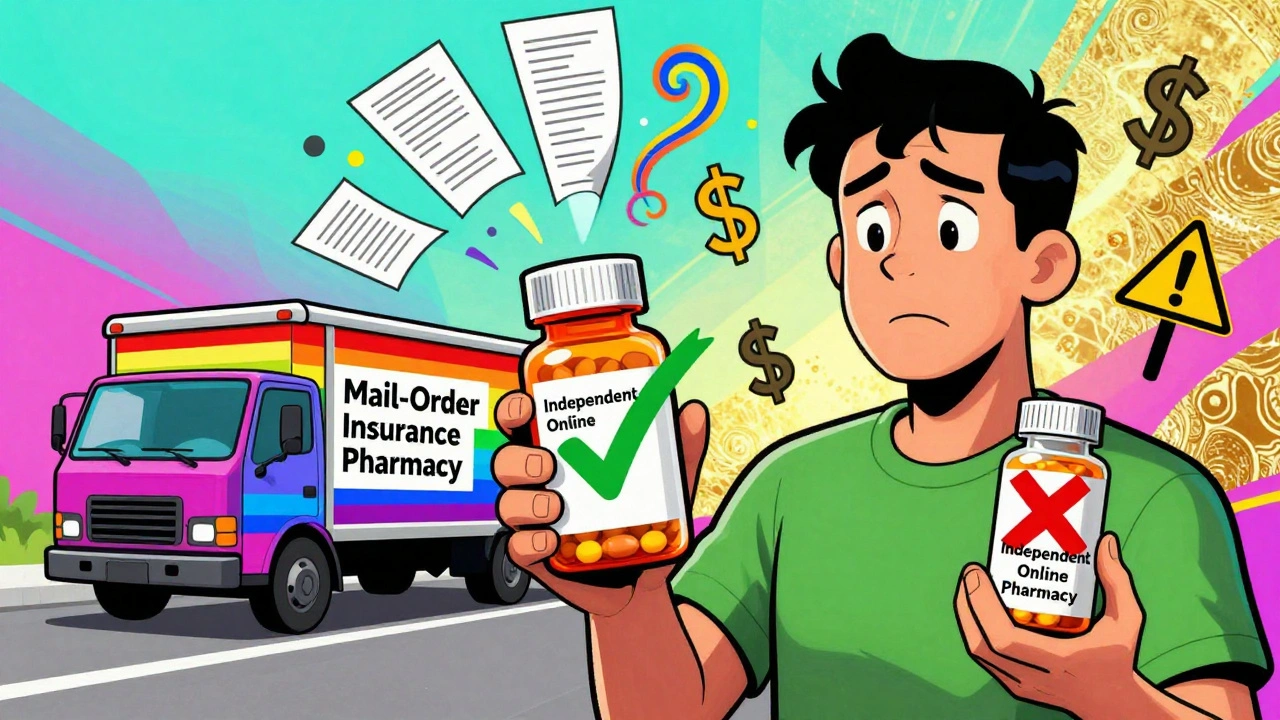
Insurance Coverage of Online Pharmacy Generics: What You Need to Know in 2025
Learn how insurance covers generic drugs from online pharmacies in 2025 - including mail-order vs. independent sites, copay tricks, Amazon RxPass, and how to avoid overpaying.
Read more
How Generic Drugs Are Reshaping Brand Pharmaceutical Economics
Generic drugs save the U.S. healthcare system over $300 billion a year, but brand manufacturers face revenue crashes when patents expire. This is how the economic battle between generics and brands is reshaping the pharmaceutical industry.
Read more
Authorized Generics: Same Drug, Different Label
Authorized generics are identical to brand-name drugs but sold under a generic label. Learn how they work, why they're cheaper, and what you need to know as a patient.
Read more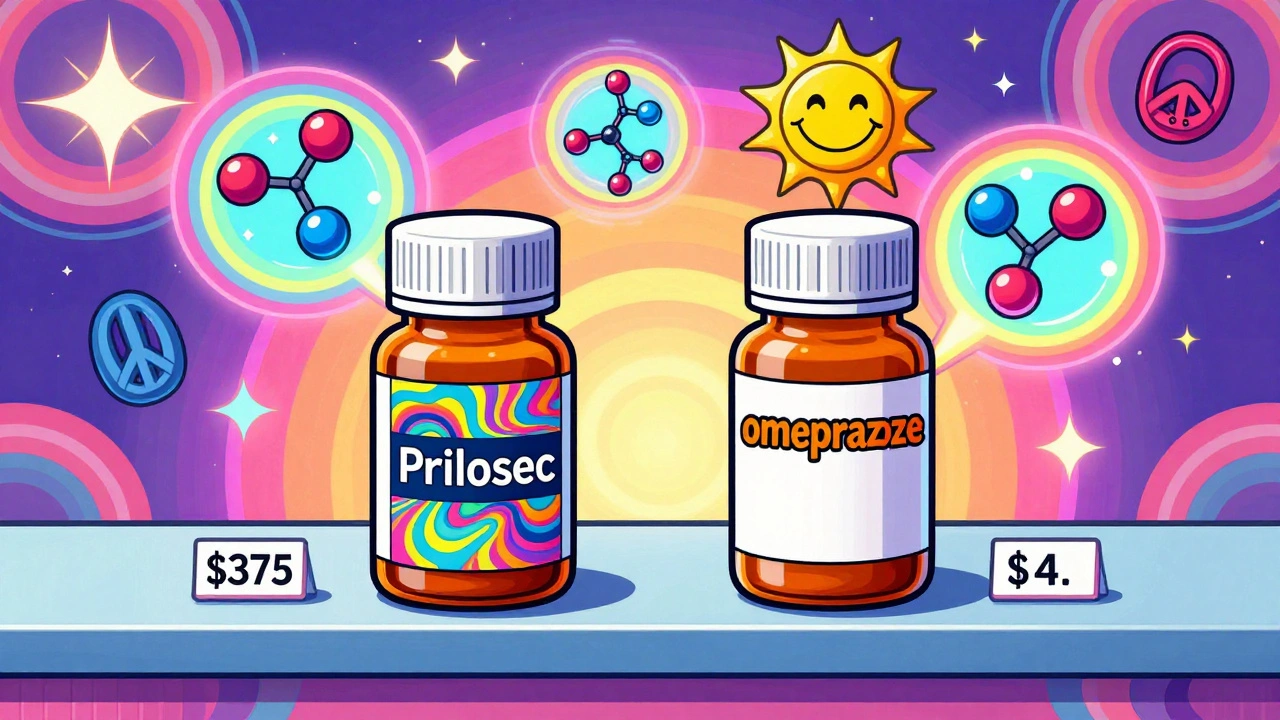
Generic vs Brand Name Drugs: What the Label Really Tells You
Generic drugs are just as effective as brand-name versions, but cost up to 90% less. Learn how the FDA ensures therapeutic equivalence, what label differences really mean, and when to choose generics safely.
Read more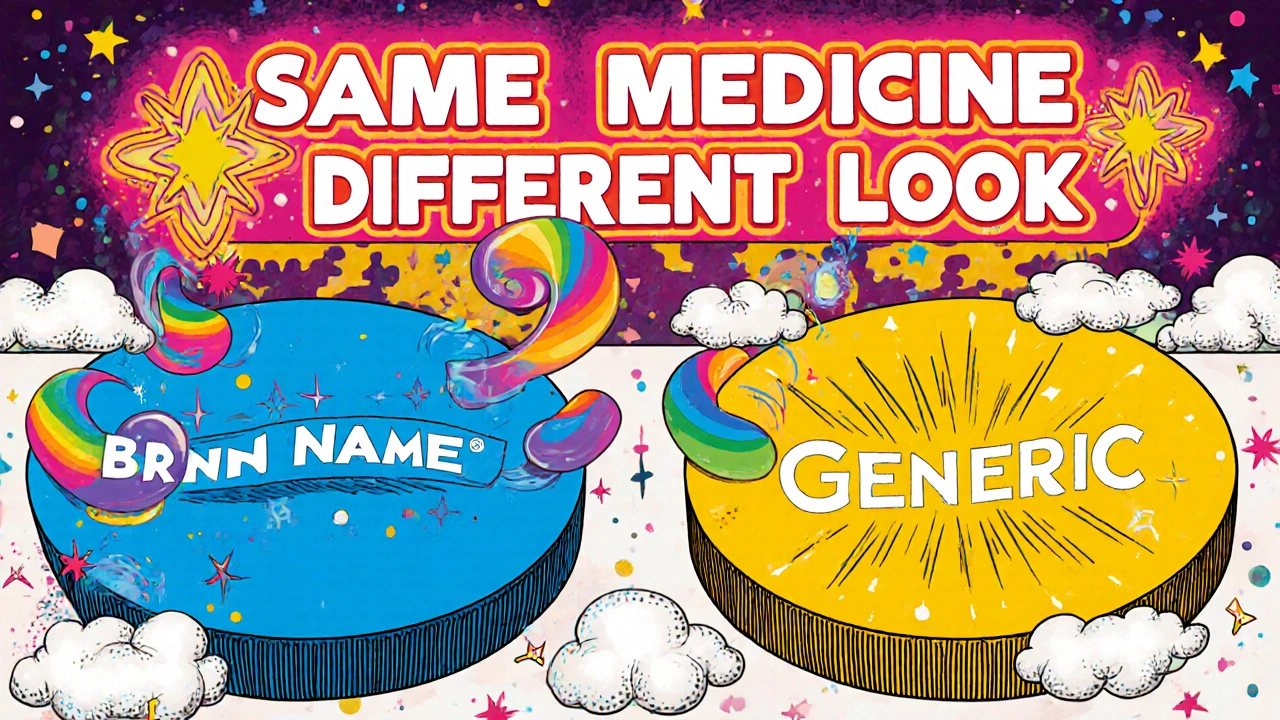
Why Generic Drugs Look Different: The Role of Trademark Laws
Generic drugs look different from brand-name versions because U.S. trademark laws require visual distinction to prevent consumer confusion - even though they contain the same active ingredient and work identically in the body.
Read more