Category: Pharmaceuticals - Page 2
Medications Never to Put in Household Trash: A Safety List
Some medications are so dangerous they must be flushed down the toilet - not thrown in the trash. The FDA's flush list includes fentanyl, oxymorphone, and other high-risk drugs that can kill with one dose. Know which ones to flush, and how to safely dispose of the rest.
Read more
How to Report Adverse Drug Events to FDA MedWatch: A Step-by-Step Guide
Learn how to report adverse drug events to the FDA’s MedWatch system. Step-by-step guide for patients and providers on submitting reports online, by phone, or through EHR systems. Your report could help prevent future harm.
Read more
Are Expired Medications Safe to Take or Should You Replace Them
Expired medications aren't always dangerous, but they can lose potency or even turn harmful. Learn which drugs are safe to keep and which ones must be replaced - and how to store and dispose of them properly.
Read more
Quality Assurance Units: Why Independent Oversight Is Non-Negotiable in Production
Independent Quality Assurance Units are legally required to prevent production pressure from overriding safety. Without true separation, compliance fails - and lives are at risk.
Read more
How to Identify Counterfeit Generics and Avoid Online Scams
Learn how to spot counterfeit generic drugs and avoid dangerous online pharmacy scams. Real tips on verifying pills, checking websites, and what to do if you suspect fake medication.
Read more
Epidural and Spinal Procedures on Anticoagulants: Understanding Hematoma Risks
Understanding the real risks of epidural and spinal procedures in patients on blood thinners - from warfarin to DOACs - and how timing, patient factors, and procedure type affect the chance of spinal hematoma. Learn what works, what doesn't, and why delays can mean permanent damage.
Read more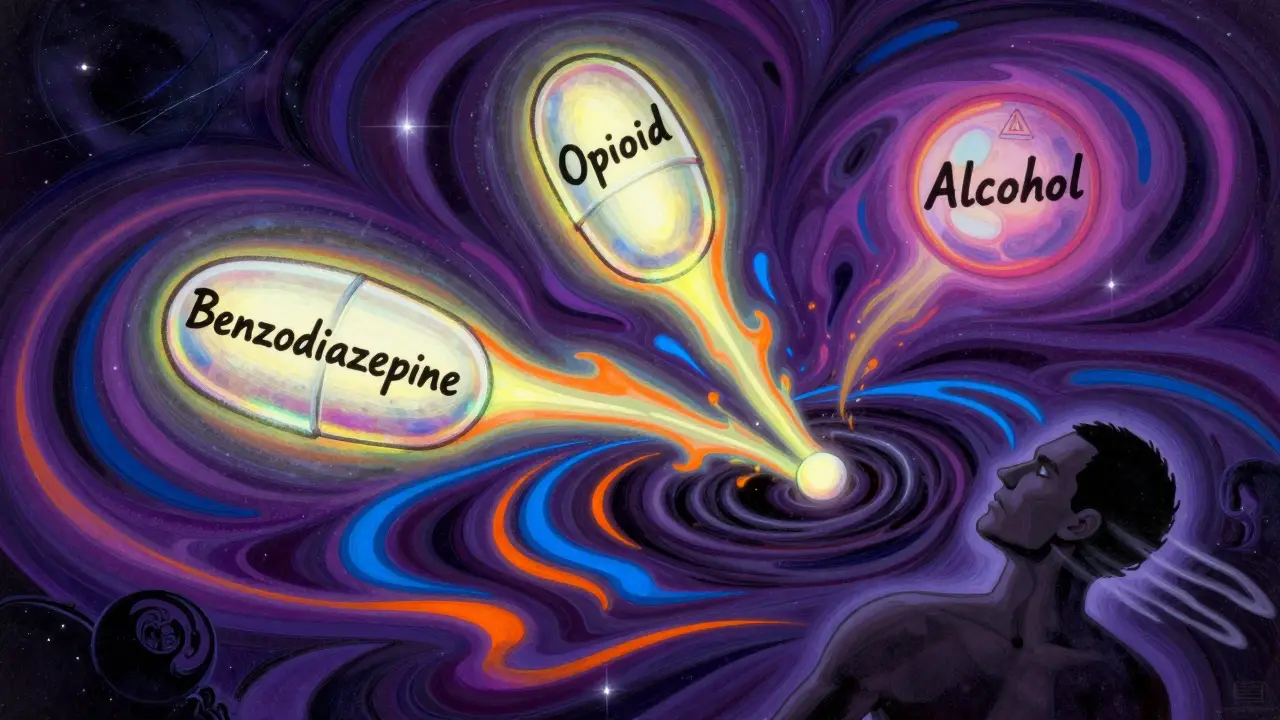
Combining Multiple Sedatives: The Hidden Danger of Central Nervous System Depression
Mixing sedatives like opioids, benzodiazepines, and alcohol can cause deadly central nervous system depression. Learn the risks, common dangerous combinations, and how to protect yourself from life-threatening side effects.
Read more
Global Medication Safety: How Different Countries Regulate Drugs
Different countries regulate drugs in wildly different ways-leading to conflicting safety warnings and approval times. This is how the FDA, EMA, and others keep medications safe-or fall short.
Read more
Inactive Ingredient Interactions in Generic Medication Combinations
Inactive ingredients in generic medications can interact when taken together, causing unexpected side effects. Learn how fillers, dyes, and preservatives in multiple generics may trigger reactions - and what you can do to stay safe.
Read more
Inactive Ingredient Interactions in Generic Medication Combinations
Inactive ingredients in generic medications can interact when taken together, causing side effects or reducing effectiveness. Learn how fillers, dyes, and preservatives in multiple generics can impact your health - and what to do about it.
Read more
Blood Thinners and NSAIDs: Why This Drug Combination Can Be Life-Threatening
Combining blood thinners with NSAIDs like ibuprofen or naproxen can double or even quadruple your risk of dangerous internal bleeding. Learn why this common drug mix is life-threatening and what safer alternatives exist.
Read more
Future Role of Authorized Generics: Market Outlook
Authorized generics are brand-name drugs sold under a generic label, playing a strategic role in drug pricing and market competition. As patents expire on high-revenue drugs, their use is shifting toward faster market entry and domestic production.
Read more