Blood Thinners and NSAIDs: Why This Drug Combination Can Be Life-Threatening
 Jan, 28 2026
Every year, millions of people take blood thinners to prevent strokes, clots, or other serious cardiovascular events. At the same time, countless others reach for ibuprofen, naproxen, or diclofenac to ease arthritis pain, headaches, or backaches. What most don’t realize is that combining these two types of medications can turn a routine pain reliever into a silent danger - one that can lead to internal bleeding, hospitalization, or even death.
What Happens When Blood Thinners Meet NSAIDs?
Blood thinners work in different ways, but their goal is the same: stop your blood from clotting too easily. This includes older drugs like warfarin and newer ones like apixaban, rivaroxaban, dabigatran, and edoxaban - collectively known as DOACs. NSAIDs, on the other hand, are common painkillers like ibuprofen (Advil), naproxen (Aleve), and diclofenac (Voltaren). They reduce inflammation and pain by blocking enzymes called COX-1 and COX-2. The problem? NSAIDs don’t just block pain signals. They also interfere with platelets - the tiny blood cells that help clots form. When you take an NSAID, your platelets become less sticky. Meanwhile, blood thinners slow down the chemical cascade that forms clots. Together, they create a perfect storm: your body loses both its ability to stop bleeding quickly and its ability to seal damaged blood vessels. This isn’t a rare or theoretical risk. A major 2024 study from Aarhus University Hospital in Denmark tracked over 51,000 people on anticoagulants for venous thromboembolism. The results were startling. Those who took NSAIDs alongside their blood thinner had more than double the risk of being hospitalized for bleeding. The danger wasn’t just in the stomach - it spread to the brain, lungs, kidneys, and urinary tract.Not All NSAIDs Are Created Equal
If you’re on a blood thinner and need pain relief, not all NSAIDs carry the same level of risk. The Danish study found clear differences:- Naproxen increased bleeding risk by 4.1 times
- Diclofenac raised it by 3.3 times
- Ibuprofen still doubled the risk at 1.79 times
Bleeding Isn’t Just in the Stomach
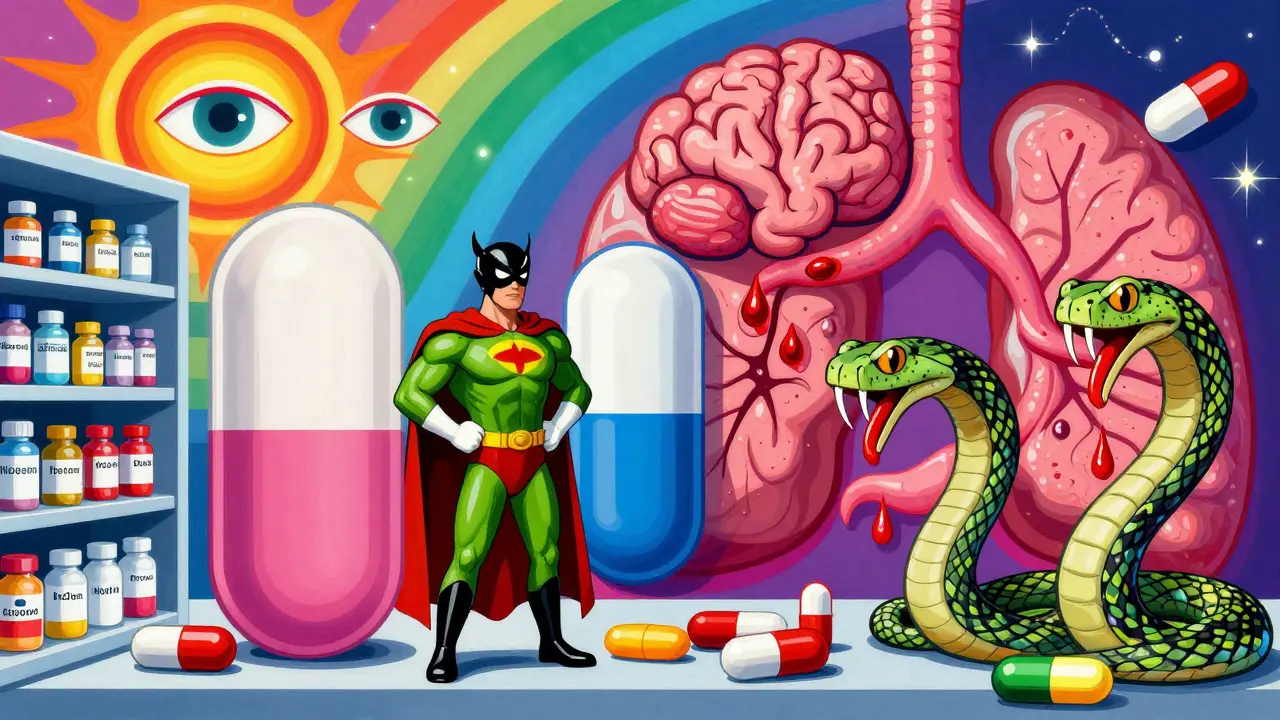
The biggest misconception about this drug combo is that the only danger is gastrointestinal bleeding. It’s not. The Danish study showed:- 2.24 times higher risk of bleeding in the digestive tract
- 3.22 times higher risk of bleeding in the brain
- 1.36 times higher risk of bleeding in the lungs
- 1.57 times higher risk of bleeding in the urinary tract
DOACs Are Not Safer Than Warfarin With NSAIDs
You might think that because DOACs (like apixaban or rivaroxaban) are newer, they’re safer to mix with NSAIDs. They’re not. The Danish study confirmed that the increased bleeding risk was just as high whether patients were on warfarin or one of the newer anticoagulants. There’s no safe version of this combo. Even more surprising: selective COX-2 inhibitors - often marketed as “gentler” on the stomach - showed no benefit in reducing bleeding risk. Celecoxib, for example, didn’t lower the danger compared to traditional NSAIDs. That’s because the bleeding risk isn’t just about stomach irritation - it’s about platelet function. And COX-2 inhibitors still affect platelets to some degree.What Should You Take Instead?
If you’re on a blood thinner, acetaminophen (Tylenol) is your best bet for pain relief. Unlike NSAIDs, it doesn’t interfere with platelets or clotting. It’s not anti-inflammatory, so it won’t help with swelling from arthritis or tendonitis - but it’s effective for headaches, muscle aches, and general pain. For chronic joint pain, consider non-drug options:- Heat or cold therapy
- Physical therapy
- Weight management
- Low-impact exercise like swimming or cycling
- Topical creams with menthol or capsaicin

What You Need to Do Right Now
If you’re on a blood thinner:- Stop taking any NSAID without talking to your doctor. This includes prescription and over-the-counter pills.
- Check your medicine cabinet. Many cold and flu remedies, menstrual pain relievers, and arthritis creams contain NSAIDs. Read the labels.
- Ask your pharmacist. They can scan your full medication list and flag dangerous combinations.
- Bring a list of everything you take - including vitamins, supplements, and herbal products - to every appointment.
- Know the signs of internal bleeding: unusual bruising, dark or tarry stools, blood in urine, vomiting blood, sudden severe headache, dizziness, or unexplained fatigue.
The Bigger Picture
This isn’t just about individual choices. In the U.S. alone, around 30 billion OTC ibuprofen tablets are sold each year. Meanwhile, millions of people are on blood thinners for atrial fibrillation or deep vein thrombosis. The overlap is huge - and growing. Health systems are starting to respond. Electronic health records now have alerts that flag when a blood thinner is prescribed alongside an NSAID. Some pharmacies automatically block the sale of NSAIDs to patients on anticoagulants. But these systems aren’t perfect. You’re still your own best defense. The bottom line? If you’re on a blood thinner, don’t assume NSAIDs are harmless just because they’re available without a prescription. The science is clear: this combination is dangerous. And the consequences aren’t just medical - they’re life-altering.There’s no magic pill that fixes pain without risk. But there is a safer path - and it starts with asking the right questions.
ryan Sifontes
January 29, 2026 AT 05:13paul walker
January 30, 2026 AT 18:41Alex Flores Gomez
January 31, 2026 AT 05:52Frank Declemij
January 31, 2026 AT 14:14Pawan Kumar
January 31, 2026 AT 21:42Kristie Horst
February 1, 2026 AT 01:28Andy Steenberge
February 2, 2026 AT 05:21Laia Freeman
February 2, 2026 AT 11:41rajaneesh s rajan
February 4, 2026 AT 11:38Jasneet Minhas
February 5, 2026 AT 04:27Megan Brooks
February 5, 2026 AT 06:37Ryan Pagan
February 5, 2026 AT 19:13