Medical Society Guidelines: Official Positions on Generic Drug Use
 May, 25 2026
You walk into your pharmacy, hand over a prescription for a brand-name medication, and the pharmacist hands you back a box with a different name and a significantly lower price tag. This is the reality of modern healthcare in the United States, where generic drug use has become the standard rather than the exception. But have you ever wondered who decides if that switch is safe? The answer isn't just one organization; it's a complex web of medical society guidelines, federal regulations, and specialty-specific concerns.
For providers, understanding these official positions is not just an academic exercise-it’s a critical part of patient safety and cost management. Medical societies, from the American Medical Association to specialty groups like the American Academy of Neurology, hold distinct views on when generic substitution is appropriate and when it poses risks. These guidelines shape how doctors prescribe, how pharmacists dispense, and ultimately, how patients are treated.
The Foundation: How Generic Drugs Get Approved
To understand why medical societies have varying opinions, we first need to look at the baseline set by the Food and Drug Administration (FDA). The framework for generic drugs was established by the Drug Price Competition and Patent Term Restoration Act of 1984, commonly known as the Hatch-Waxman Act. This legislation created the Abbreviated New Drug Application (ANDA) process, which allows generic manufacturers to prove their products are equivalent to brand-name drugs without repeating all the clinical trials.
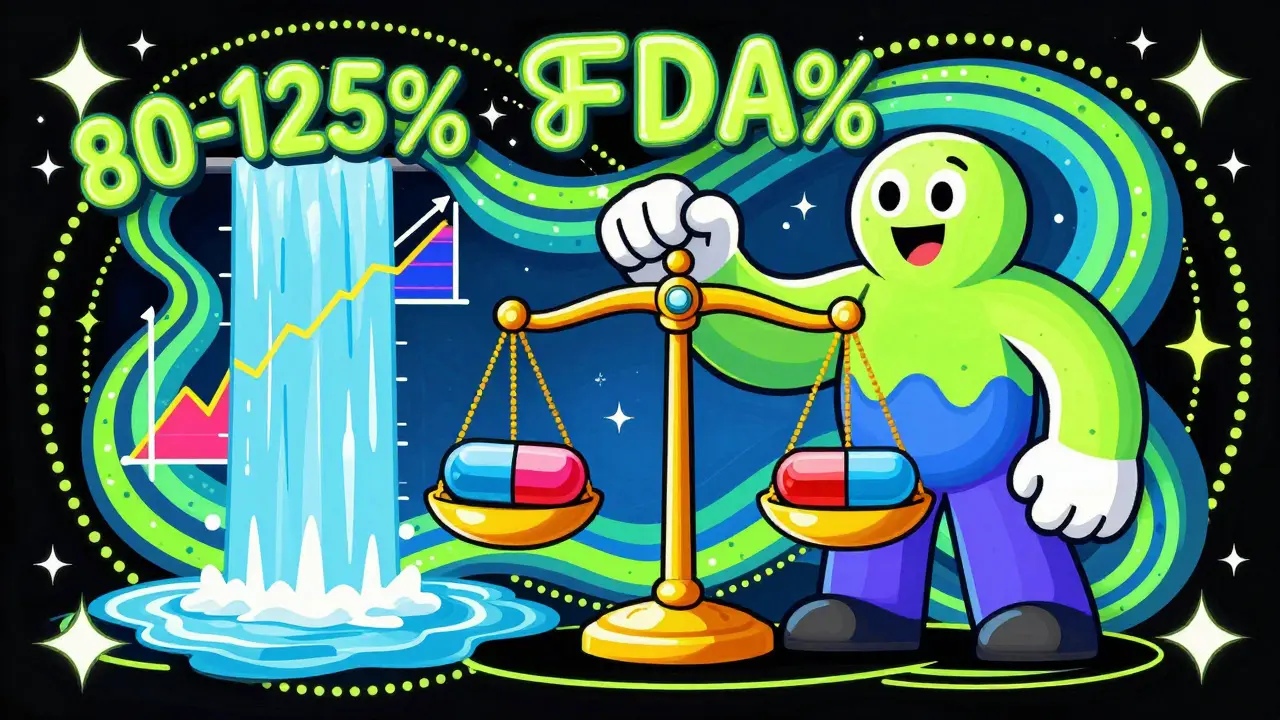
The FDA requires that a generic drug contain the same active ingredient, strength, dosage form, and route of administration as the brand-name drug. Crucially, it must demonstrate bioequivalence. This means the generic drug must deliver the same amount of active ingredient into a patient's bloodstream in the same amount of time as the brand-name version. The FDA accepts a bioequivalence range where the generic’s performance falls within 80% to 125% of the brand-name drug’s geometric mean. For most medications, this margin is clinically insignificant and ensures safety.
Because of these strict standards, the FDA states that generic drugs account for nearly 90% of prescriptions filled in the U.S., representing only about 23% of total drug expenditures. This massive shift has saved the healthcare system billions of dollars. However, while the FDA sets the regulatory floor, medical societies often build upon-or push back against-these standards based on specific clinical experiences.
The American Medical Association’s Role in Naming and Safety
The American Medical Association (AMA) takes a broad, systemic approach to generic drug safety, focusing heavily on nomenclature. Through its United States Adopted Names (USAN) Council, established in 1964, the AMA works to eliminate confusion in drug naming. Why does this matter for generics? Because similar-sounding names can lead to dangerous medication errors during prescribing, ordering, or dispensing.
The USAN Council’s primary criterion for assigning a nonproprietary name is suitability and safety for routine use. They maintain a list of stems and pronunciation guides to help practitioners identify drug classes quickly. As noted in the AMA Journal of Ethics (August 2023), the council avoids prefixes that create names too similar to existing drugs. This proactive stance on naming helps reduce the risk of substitution errors before they even reach the pharmacy counter. By ensuring clear distinctions between brand and generic names, the AMA supports a safer environment for widespread generic use.
Specialty Concerns: The Case Against Substitution in Neurology
While the general consensus supports generic substitution, some specialties vehemently oppose it for specific drug classes. The most prominent example is the American Academy of Neurology (AAN). The AAN maintains an official position explicitly opposing the generic substitution of anticonvulsant (anti-seizure) drugs for treatment purposes.
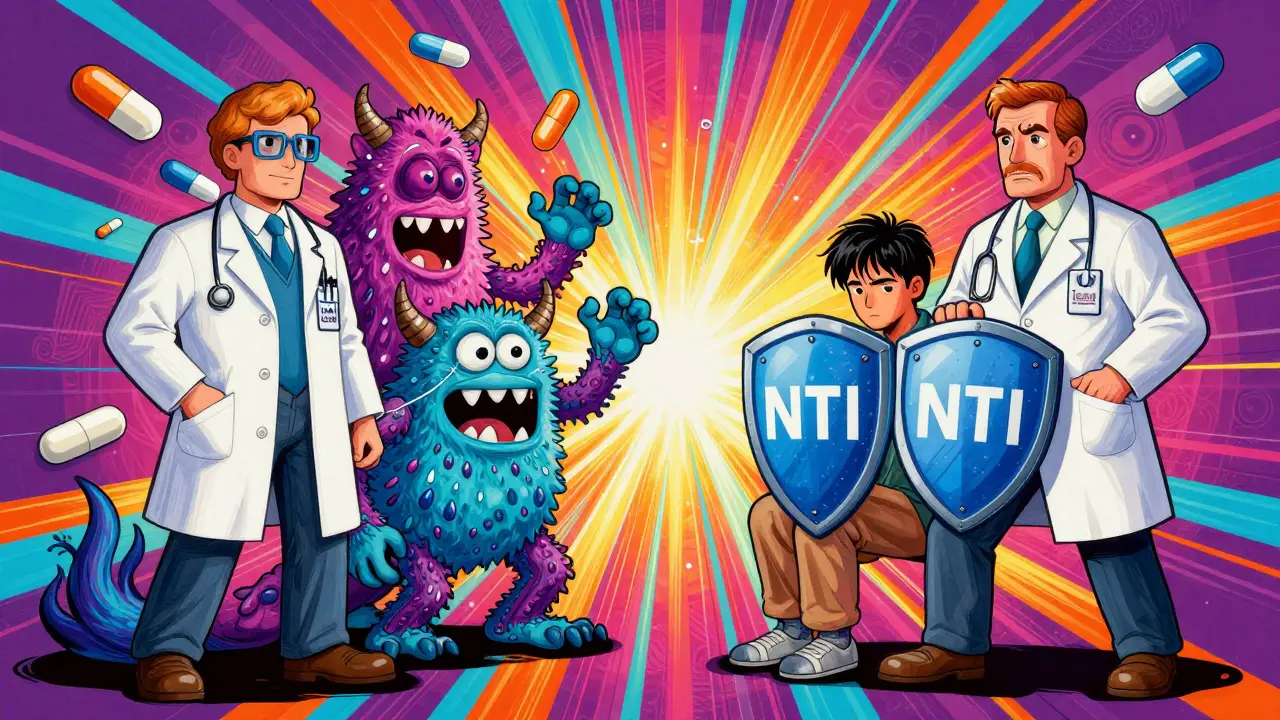
This stance is rooted in the concept of the Narrow Therapeutic Index (NTI). NTI drugs are medications where small variations in blood concentration can lead to treatment failure or toxicity. For patients with epilepsy, maintaining stable levels of antiepileptic drugs is critical. Even minor pharmacokinetic differences allowed within the FDA’s 80-125% bioequivalence range could potentially trigger breakthrough seizures. With approximately 3.4 million Americans living with active epilepsy (CDC 2022 data), the stakes are incredibly high.
Surveys indicate that a significant majority of neurologists believe generic substitutions of antiepileptic drugs have led to treatment complications in their practices. Consequently, the AAN’s position has influenced state legislation, with several states imposing restrictions on substituting NTI drugs without explicit prescriber consent. This creates a tension between the economic benefits of generics and the clinical need for stability in chronic neurological conditions.
| Organization | General Position | Key Exceptions/Concerns |
|---|---|---|
| FDA | Supports substitution if therapeutically equivalent | Focuses on bioequivalence standards (80-125%) |
| American Medical Association (AMA) | Supports via standardized naming (USAN) | Prevents medication errors through clear nomenclature |
| American Academy of Neurology (AAN) | Opposes substitution for anticonvulsants | Narrow Therapeutic Index (NTI) risks in epilepsy |
| National Comprehensive Cancer Network (NCCN) | Supports use in oncology protocols | Incorporates off-label uses for generic cancer drugs |
Oncology and the NCCN Guidelines
In contrast to neurology, oncology presents a different landscape for generic drug use. The National Comprehensive Cancer Network (NCCN) Guidelines are widely considered the gold standard for cancer care in the U.S. These guidelines frequently incorporate off-label uses of generic drugs. According to the "Clearing the Path for New Uses for Generic Drugs" report (2022), the NCCN Compendia serve as the only accepted disease-specific compendium for Medicare coverage determinations.
The NCCN’s approach facilitates seamless substitution among therapeutically equivalent products in cancer care. Approximately 42% of NCCN-listed cancer drug uses are now considered off-label, many involving generic agents. This flexibility allows oncologists to access cost-effective treatments without compromising efficacy, provided the generic meets the rigorous therapeutic equivalence ratings found in the FDA’s Orange Book. The NCCN’s endorsement helps alleviate financial toxicity for cancer patients while maintaining high-quality care standards.
Navigating State Laws and Pharmacy Practice
For providers and pharmacists, implementing these guidelines involves navigating a patchwork of state laws. While the FDA provides federal oversight, individual states regulate the practice of pharmacy and prescriptive authority. Some states mandate automatic substitution of generics unless the prescriber marks "Dispense as Written" on the prescription. Others require pharmacist notification or patient consent.
Conflicts arise when state laws permit substitution for NTI drugs, contrary to the recommendations of specialty societies like the AAN. Pharmacists often report difficulties in balancing legal requirements with clinical judgment. In such cases, open communication between the provider, pharmacist, and patient is essential. Providers should clearly document their preference for brand-name consistency when treating conditions sensitive to bioequivalence variations, such as epilepsy, thyroid disorders, or certain immunosuppressants.
Economic Pressures and Industry Influence
We cannot discuss generic drug guidelines without addressing the economic context. The Generic Pharmaceutical Industry Association (GPIA) represents manufacturers who benefit from expanded substitution policies. With generics accounting for 90% of prescriptions but only 23% of spending, the economic incentive for widespread adoption is undeniable. Medical societies must balance these cost-saving benefits against potential patient safety risks.
However, there is also a concern about market competition. If a generic manufacturer exits the market due to low margins, patients may be switched to another generic or back to the brand-name drug, causing instability. The USAN Council notes that unfavorable naming decisions can impact a company’s decision to continue developing a drug, affecting patient access. Thus, the interplay between economics, regulation, and clinical safety is delicate and constantly evolving.
Practical Steps for Healthcare Providers
So, what should you do as a provider? Here are actionable steps to navigate generic drug guidelines effectively:
- Know Your Specialty Guidelines: Familiarize yourself with the official positions of your relevant medical society. If you are a neurologist, adhere to the AAN’s caution regarding anticonvulsants. If you are an oncologist, leverage the NCCN’s support for generic options.
- Check the Orange Book: Before prescribing, consult the FDA’s Approved Drug Products with Therapeutic Equivalence Evaluations (Orange Book). Look for an "A" rating, which indicates the product is considered therapeutically equivalent to the reference listed drug.
- Communicate Clearly: If you prefer brand-name consistency for a specific patient, mark the prescription accordingly and explain the rationale to both the pharmacist and the patient. Transparency reduces anxiety and prevents unexpected switches.
- Monitor NTI Drugs Closely: For Narrow Therapeutic Index medications, consider more frequent monitoring of blood levels if a generic substitution occurs, regardless of guidelines. Patient response is the ultimate indicator of safety.
- Stay Updated: Medical society guidelines evolve. Keep an eye on updates from the AMA, AAN, NCCN, and other relevant bodies to ensure your practice aligns with the latest evidence.
Future Trends in Generic Drug Policy
Looking ahead, we are likely to see increasing alignment between medical society guidelines and FDA therapeutic equivalence ratings. The FDA continues to refine its evaluation processes, and societies are incorporating these updates into their recommendations. However, specialty-specific exceptions will persist, particularly for drugs with complex pharmacokinetics or narrow therapeutic windows.
International frameworks, such as the World Health Organization’s Norms and Standards for Pharmaceuticals, also influence U.S. positions, promoting global quality standards. As new generic drugs enter the market, the USAN Council will continue to play a vital role in ensuring clear, safe nomenclature. Ultimately, the goal remains the same: providing effective, affordable care without compromising patient safety.
What is the main difference between brand-name and generic drugs?
Generic drugs contain the same active ingredients, strength, dosage form, and route of administration as brand-name drugs. The key difference is that generics must demonstrate bioequivalence, meaning they perform similarly in the body, but they may have different inactive ingredients, packaging, and prices. Generics are typically much less expensive.
Why does the American Academy of Neurology oppose generic substitution for anticonvulsants?
The AAN opposes substitution because anticonvulsants are Narrow Therapeutic Index (NTI) drugs. Small variations in blood concentration, even within FDA-approved bioequivalence ranges, can lead to breakthrough seizures or toxicity in patients with epilepsy. Stability in medication formulation is critical for seizure control.
How does the FDA determine if a generic drug is safe?
The FDA uses the Abbreviated New Drug Application (ANDA) process. Manufacturers must prove bioequivalence, showing that the generic delivers the same amount of active ingredient into the bloodstream as the brand-name drug. The acceptable range is typically 80% to 125% of the reference product's geometric mean.
What is the role of the AMA’s USAN Council?
The USAN Council assigns nonproprietary (generic) names to drugs to ensure clarity and safety. They avoid names that sound or look similar to existing drugs to prevent medication errors during prescribing and dispensing. Their guidelines prioritize suitability for routine clinical use.
Can I refuse a generic substitution?
Yes, in most cases. Prescribers can mark a prescription "Dispense as Written" or "Brand Medically Necessary" to request the brand-name drug. However, insurance coverage may vary, and patients might face higher out-of-pocket costs. It is important to discuss this with your provider and insurer.