Women’s Heart Disease: Unique Symptoms and How to Manage Risk
 Jan, 18 2026
Heart disease kills more women every year than breast cancer, lung cancer, and Alzheimer’s combined. Yet most women still don’t see it as their biggest health threat. In the U.S., one in five female deaths is caused by heart disease - and too often, it’s missed because the symptoms don’t match what we’ve been taught to expect.
Why Women’s Heart Attacks Don’t Look Like the Movies
You’ve seen it a hundred times: a man clutching his chest, collapsing on the sidewalk, screaming in pain. That’s the Hollywood heart attack. But for women, it rarely plays out that way. According to the National Heart, Lung, and Blood Institute, only about 65% of women having a heart attack report classic chest pain. That means nearly half experience something else entirely - and mistake it for something harmless. Nausea. Jaw pain. Exhaustion so deep it makes lifting a coffee cup feel impossible. These aren’t side effects. They’re red flags. Women are far more likely than men to feel pressure or tightness in the chest rather than sharp, crushing pain. The discomfort might come and go. It might show up while they’re folding laundry or talking on the phone - not during a workout. Some women wake up in the middle of the night with unexplained shortness of breath. Others feel like they’ve been hit by a truck, but can’t explain why. A 2021 study in the Journal of the American Heart Association found that women under 55 are seven times more likely than men to be sent home from the ER without proper testing. Many are told they’re anxious, overworked, or have indigestion. But when that fatigue lasts more than two weeks - especially if it’s new and worsens with light activity - it’s not just stress. It’s a signal.The Hidden Heart Conditions That Hit Women Harder
It’s not just about different symptoms. Women are more likely to develop heart disease types that men rarely get. Microvascular disease affects the tiny arteries in the heart. These vessels don’t show up on standard angiograms, so doctors often say everything looks normal - even when the patient is in real danger. Symptoms? Crushing fatigue, trouble breathing during normal tasks, dizziness. It’s often misdiagnosed as chronic fatigue or anxiety. But it’s real. And it’s deadly if ignored. Spontaneous Coronary Artery Dissection (SCAD) is a tear in a heart artery that happens without warning, often in women under 60 with no traditional risk factors. It’s responsible for up to 35% of heart attacks in women under 50. Many survivors say they felt like they were being stabbed in the chest during yoga, after childbirth, or even while crying. No plaque buildup. No high cholesterol. Just a sudden, unexplained rupture. Takotsubo syndrome, or broken heart syndrome, mimics a heart attack but is triggered by extreme emotional stress - the death of a loved one, a divorce, even a surprise party. The heart’s left ventricle temporarily balloons out, and blood flow slows. It’s rare, but women make up 90% of cases. The good news? Most recover fully - if they get help fast.What Makes Women More Vulnerable?
It’s not just biology. It’s history. For decades, heart research focused almost entirely on men. The landmark Framingham study in the 1940s enrolled only men. That shaped how doctors learned to spot heart disease - and what symptoms they were taught to look for. Hormones play a role too. Estrogen offers some protection before menopause, but after that, risk jumps sharply. Women who’ve had preeclampsia during pregnancy face an 80% higher risk of heart disease later. Gestational diabetes, premature birth, and early menopause all raise the risk. These aren’t just pregnancy complications - they’re warning signs for future heart trouble. Mental stress is another major factor. Studies show women are 37% more likely than men to have angina triggered by emotional stress. Chronic stress, caregiving burnout, and sleep deprivation - all common in women’s lives - wear down the heart over time. And when stress hits, women’s bodies respond differently. Their arteries constrict. Their blood pressure spikes. Their heart rate doesn’t recover as easily.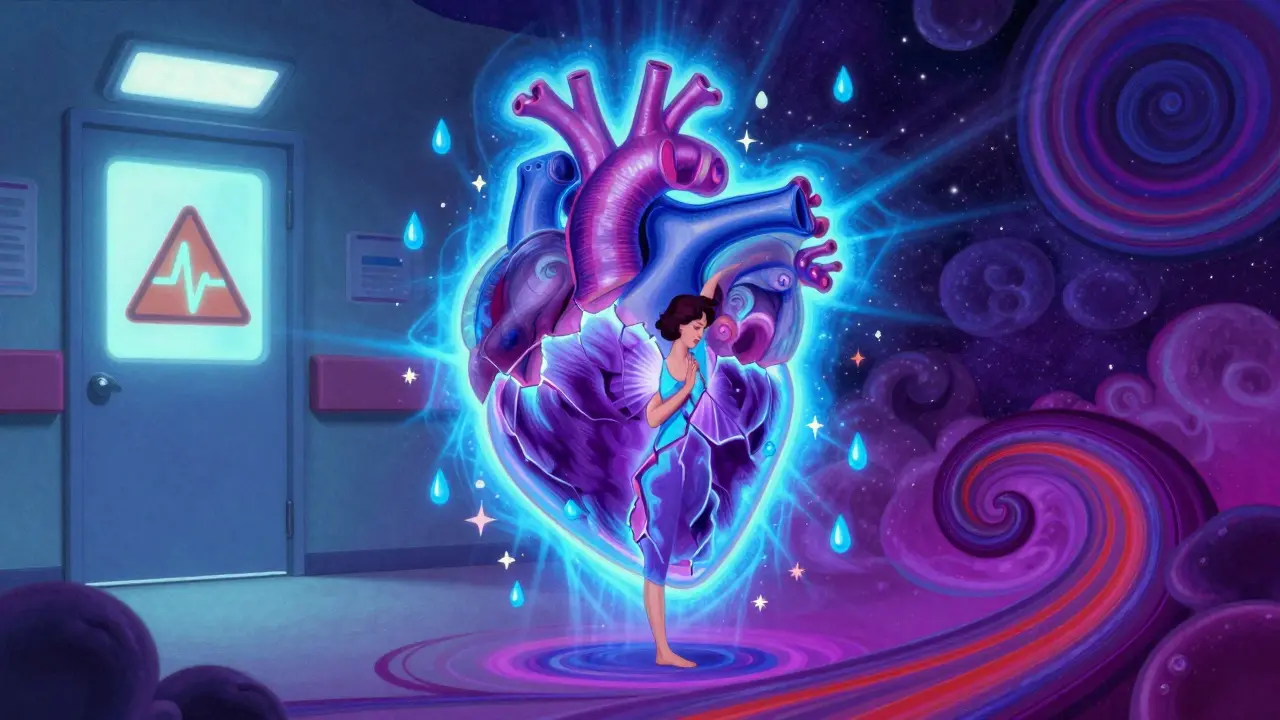
How to Protect Yourself - Real Steps That Work
You can’t change your gender or your genes. But you can change how you respond to your body’s signals. Track your symptoms. If you’ve had unexplained fatigue, nausea, or jaw pain that won’t go away, write it down. Note when it happens, how long it lasts, and what you were doing. Bring it to your doctor - even if you think it’s nothing. Know your numbers. Blood pressure, cholesterol, and blood sugar matter. But so do other markers: C-reactive protein (a sign of inflammation), lipoprotein(a), and homocysteine. Ask your doctor for a full cardiac panel - especially if you have a family history or past pregnancy complications. Move daily. You don’t need to run a marathon. Thirty minutes of brisk walking five days a week cuts heart disease risk by 30%. Strength training twice a week helps too - it improves circulation and lowers blood pressure. Don’t ignore sleep. Sleeping less than six hours a night raises your risk of heart disease by 20%. Poor sleep also worsens inflammation and insulin resistance. If you’re tired all the time, talk to your doctor. It’s not normal. Manage stress like your heart depends on it - because it does. Meditation, deep breathing, therapy, or even just saying no to extra obligations can lower cortisol and protect your arteries. Don’t wait until you’re burned out to act.When to Demand Immediate Care
If you’re a woman and you feel any of these - even just one - don’t wait. Don’t call your doctor tomorrow. Go to the ER now:- Unusual fatigue that comes out of nowhere and lasts more than a few days
- Shortness of breath during normal activities (like walking to the mailbox)
- Pain or pressure in your jaw, neck, upper back, or arms - especially if it’s new
- Nausea, vomiting, or cold sweats without a clear cause
- Dizziness or lightheadedness that doesn’t go away
- Chest discomfort that wakes you up at night
Why Specialized Care Matters
Not all hospitals are created equal when it comes to women’s heart health. The American College of Cardiology started a certification program in 2021 for Women’s Cardiovascular Centers of Excellence. These centers track outcomes specifically for women, train staff to recognize atypical symptoms, and use gender-specific diagnostic protocols. Women treated at these centers are 22% more likely to survive a heart attack than those treated at standard hospitals. Why? Because they don’t dismiss fatigue as stress. They don’t assume chest pressure is indigestion. They know that women’s hearts behave differently - and they test accordingly. If you’re in the U.S., you can find a certified center through the ACC’s website. If you’re not near one, ask your doctor: “Do you use gender-specific guidelines for diagnosing heart disease in women?” If they hesitate, ask for a referral.The Bigger Picture: Why This Isn’t Just Your Problem
Heart disease in women isn’t just a medical issue - it’s a systemic one. Only 34% of cardiovascular research funding targets women’s specific needs. Women make up just 38% of participants in major heart studies - even though they’re 51% of the population. That means treatments, tests, and guidelines are often built on male data. It’s like trying to fit a woman’s foot into a man’s shoe and wondering why it hurts. The NHLBI launched the RENEW initiative in 2023 - a $150 million project to study sex-specific heart disease patterns. The FDA approved the first diagnostic tool validated specifically for women in 2020. Progress is happening. But it’s slow. Until the system catches up, you have to be your own advocate. Know your body. Speak up. Push back. If a doctor says you’re just stressed, ask: “Could this be my heart?”What Comes Next
The American Heart Association wants 70% of women to recognize heart disease as their top killer by 2030. Right now, only 44% do. That gap is deadly. Start with one thing: Talk to the women in your life - your mother, sister, friend, coworker. Share what you’ve learned. Send them this article. Tell them: “Your fatigue isn’t normal. Your jaw pain isn’t just a toothache. Your heart matters.” Because heart disease doesn’t wait. And neither should you.Do women have heart attacks without chest pain?
Yes. Nearly half of women who have heart attacks don’t experience classic chest pain. Instead, they may feel extreme fatigue, nausea, shortness of breath, jaw or back pain, or dizziness. These symptoms are real signs of a heart attack - not just stress or indigestion.
Is heart disease more dangerous for women than men?
Women are more likely to die within a year after a first heart attack than men, especially if they’re under 55. They’re also more likely to have complications like heart failure or stroke afterward. This is partly because symptoms are often missed or misdiagnosed, and because women tend to develop different types of heart disease, like microvascular disease, which are harder to detect.
Can pregnancy affect my heart health later?
Yes. Conditions like preeclampsia, gestational diabetes, and giving birth prematurely can double or even triple your risk of heart disease decades later. These aren’t just pregnancy issues - they’re early warning signs. If you had any of these, tell your doctor and get regular heart screenings starting in your 40s.
What’s the best test for heart disease in women?
There’s no single best test. Standard stress tests and angiograms often miss microvascular disease. The Corus CAD blood test, which analyzes gene expression, is 88% accurate in women and is FDA-approved. An echocardiogram or cardiac MRI may also be needed. If your doctor only orders a basic EKG, ask if more advanced testing is appropriate.
Can stress really cause a heart attack in women?
Yes. Emotional stress can trigger Takotsubo syndrome - a temporary heart condition that mimics a heart attack. It’s more common in women and often follows major life events like grief or divorce. Chronic stress also raises blood pressure and inflammation, which damage arteries over time. Managing stress isn’t optional - it’s part of heart disease prevention.
How do I know if I’m at high risk?
High risk includes: family history of early heart disease, smoking, high blood pressure, diabetes, obesity, preeclampsia during pregnancy, early menopause (before 45), or autoimmune conditions like lupus. If any of these apply to you, ask for a full cardiac risk assessment - not just a cholesterol check.
Are there heart disease symptoms I should never ignore?
Yes. If you suddenly feel extreme fatigue that interferes with daily tasks, unexplained nausea or vomiting, jaw or back pain without injury, shortness of breath during light activity, or dizziness that doesn’t go away - don’t wait. These are not normal aging symptoms. Go to the ER.