Refrigerated Medications While Traveling: Cooling Options & Safety Guide
 Jul, 2 2026
Imagine packing for a dream vacation, only to realize your life-saving medication needs a specific temperature range to work. You’re not just carrying a pill bottle; you’re managing a delicate biological balance. For millions of people, traveling with refrigerated medications is a daily reality, whether it’s insulin for diabetes, biologics like Mounjaro (tirzepatide) for weight management or blood sugar control, or certain antibiotics and vaccines.
The stakes are high. The U.S. Food and Drug Administration (FDA) notes that about 25% of prescription drugs require refrigeration. If the temperature swings even slightly outside the safe zone-typically between 36°F and 46°F (2°C to 8°C)-your medication can lose its potency. In some cases, efficacy drops by up to 15% per hour when exposed to unsafe heat. That’s why knowing your cooling options isn’t just convenient; it’s critical for your health.
Understanding Temperature Sensitivity
Before picking a cooler, you need to know what you’re protecting. Not all cold meds are created equal. Insulin, for instance, degrades rapidly in heat. Studies show it loses about 10% of its effectiveness every day if kept at 77°F (25°C). On the other hand, newer medications like Mounjaro have more flexibility-they can handle room temperatures up to 86°F (30°C) for up to 21 days. However, relying on this exception without checking your specific drug’s label is risky.
Dr. Robert Tomaka, a clinical pharmacist at Memorial Sloan Kettering Cancer Center, warns that repeated warming and cooling cycles are just as damaging as constant heat. These fluctuations can reduce medication efficacy by up to 40%, even if the temperature never technically leaves the "safe" range. This means tossing an ice pack into a bag and hoping for the best isn’t enough. You need stability.
| Medication Type | Safe Temp Range | Heat Sensitivity Risk |
|---|---|---|
| Insulin | 36°F-46°F (2°C-8°C) | High: Degrades 1.5% per hour above 46°F |
| Mounjaro (Tirzepatide) | 36°F-46°F (2°C-8°C) | Medium: Stable up to 86°F for 21 days |
| Certain Antibiotics | Varies by brand | High: Often ineffective if frozen or overheated |
| Vaccines | Strictly controlled | Critical: Can be rendered useless by minor shifts |
Top Cooling Solutions for Travelers
The market for portable medical coolers has exploded, growing by 6.2% annually. Here’s how the main options stack up against each other.
Specialized Medical Coolers
Devices like the 4All Family Explorer Medication Cooler are designed specifically for this job. Released in 2021, this unit maintains temps between 36°F and 45°F for up to 50 hours, even in sweltering 104°F (40°C) weather. It uses biogel freeze packs and a USB-powered lid fan. Weighing just 1.2 pounds, it fits easily in a carry-on and holds up to seven insulin pens. Independent lab tests by Intertek Labs confirmed these performance metrics, making it a top choice for serious travelers.
Battery-Powered Portable Fridges
If you’re going off-grid or on a long road trip, consider the Armoa Portable Medical Fridge. Priced around $300, it offers continuous refrigeration for 48 hours on battery power. It’s heavier at 6.2 pounds and bulkier, but it eliminates the guesswork of ice packs melting. Just plug it in via car charger or wall outlet, and it keeps things steady.
Budget-Friendly Ice Pack Bags
For short trips under 12 hours, basic insulated bags like the SUNMON Insulin Cooler Bag ($35) might suffice. They rely on standard gel packs. However, user reviews tell a cautionary tale: 63% of negative feedback cited temperature failures within 24 hours. These are fine for a quick lunch break but risky for a full day of sightseeing in summer.
TSA Rules and Airport Security
Flying with meds? Don’t panic, but do prepare. The Transportation Security Administration (TSA) allows refrigerated medications and cooling devices through security checkpoints. Under the Americans with Disabilities Act, medically necessary items are exempt from standard liquid limits.
Here’s the drill:
- Declare everything: Tell the officer you have medical supplies before screening begins.
- Separate bins: Place your cooler and meds in their own bin for X-ray screening.
- Bring documentation: Carry a note from your doctor or pharmacist explaining your medication and its storage needs. This cuts screening delays by 75%, according to TSA data.
- No dry ice: The American Diabetes Association explicitly warns against using dry ice. It gets too cold (-109°F), freezing your meds and ruining them instantly. Plus, it poses safety hazards on planes.
Pro Tips for Extreme Heat and Long Trips
Traveling to places like Dubai or Southeast Asia during summer? Standard coolers struggle here. Current tech fails to maintain refrigeration beyond 48 hours in environments consistently above 104°F (40°C). Here’s how to adapt:
- Pre-freeze aggressively: Freeze your gel packs for 24-48 hours before leaving. This gives them maximum thermal mass.
- Use hotel resources: Call ahead and request a mini-fridge. Note: Many hotel fridges run warm (around 50°F). Check the temp with a thermometer upon arrival. If it’s too hot, ask for ice from the lobby machine and refresh your cooler every 12 hours.
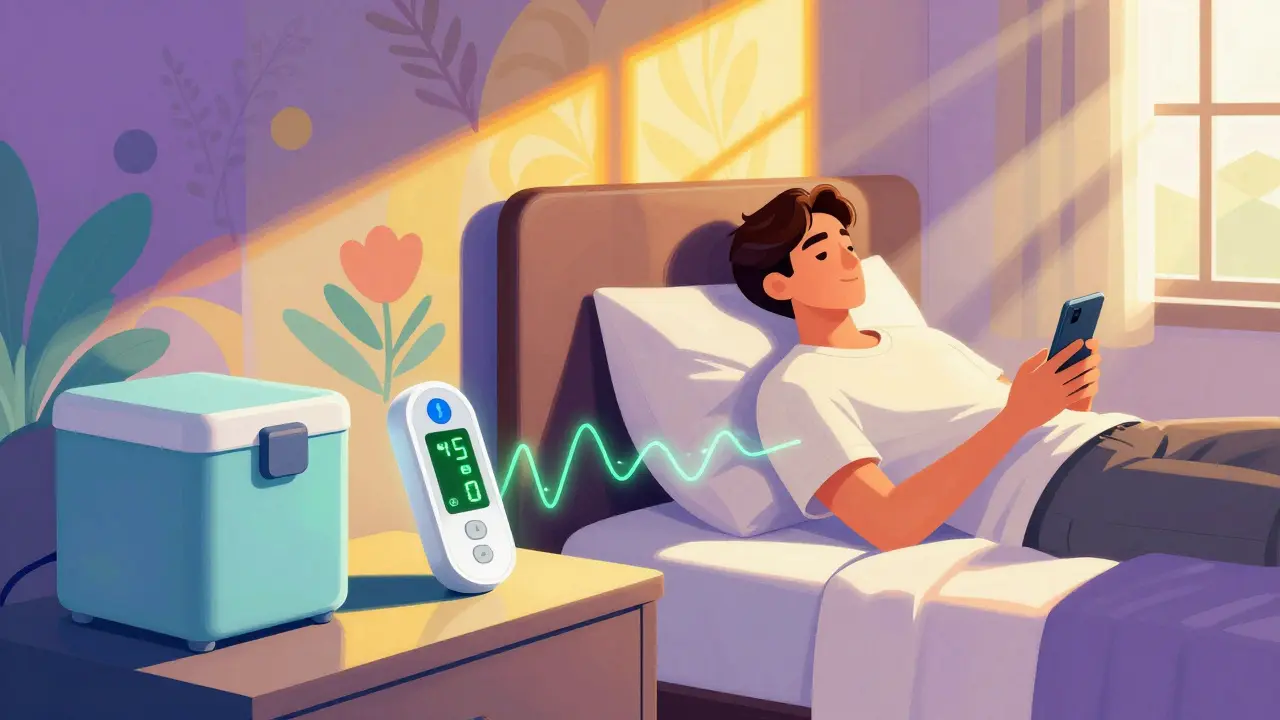
- Monitor constantly: Dr. Sarah Sowards, a CDC consultant, says visual checks aren’t enough. Use a Bluetooth thermometer like the MedAngel ONE. It alerts your phone if temps drift out of range. This is non-negotiable for critical biologics.
- Waterproof your meds: Melting ice causes condensation. Wrap your medication boxes in waterproof bags to prevent moisture damage, which ruins labels and packaging integrity.
What Experts Say About Preparation
A survey of 500 patients found that 68% felt they didn’t prepare enough time before traveling. The key is starting early. Test your cooler at home first. Put a thermometer inside, close it, and see how long it stays cold. Know your backup plan. If your primary cooler fails, do you have spare gel packs? Do you know where the nearest pharmacy is?
Also, talk to your pharmacist. Most will provide a manufacturer information sheet detailing exact temperature ranges. Keep this digital copy on your phone and a printed one in your bag. It’s your proof of medical necessity and your guide for safe storage.
Can I bring my medication cooler through airport security?
Yes. The TSA allows refrigerated medications and cooling devices through security. Declare them to the officer, place them in a separate bin for X-ray screening, and carry a doctor’s note or prescription label to speed up the process. Avoid dry ice, as it is prohibited due to safety risks.
How long does insulin last without refrigeration while traveling?
Unopened insulin should be refrigerated. Once opened, it can stay at room temperature (up to 86°F/30°C) for about 28 days, depending on the type. However, heat accelerates degradation. At 77°F (25°C), insulin can lose 10% of its potency per day. Always use a cooler if ambient temperatures exceed 70°F.
Is dry ice safe for transporting medications?
No. Dry ice reaches -109°F (-78°C), which can freeze medications and destroy their chemical structure. Additionally, airlines restrict dry ice due to carbon dioxide gas buildup in cargo holds. Use specialized gel packs or battery-powered coolers instead.
Do hotels provide refrigerators for medical needs?
Most major hotel chains accommodate requests for mini-fridges for medical purposes. However, always check the temperature upon arrival. Many mini-fridges operate at 50°F, which is too warm for some meds. Bring a portable thermometer and ask for ice from the lobby if the fridge isn’t cold enough.
What is the best cooler for international travel?
For international trips, the 4All Family Explorer or Armoa Portable Medical Fridge are top choices. They offer 50+ hours of reliable cooling and are TSA-friendly. For longer durations, pair them with a Bluetooth temperature monitor like MedAngel ONE to track conditions in real-time across different time zones.