Opioids and Antihistamines: Understanding Sedation and Respiratory Risks
 Apr, 25 2026
Antihistamine & Opioid Interaction Checker
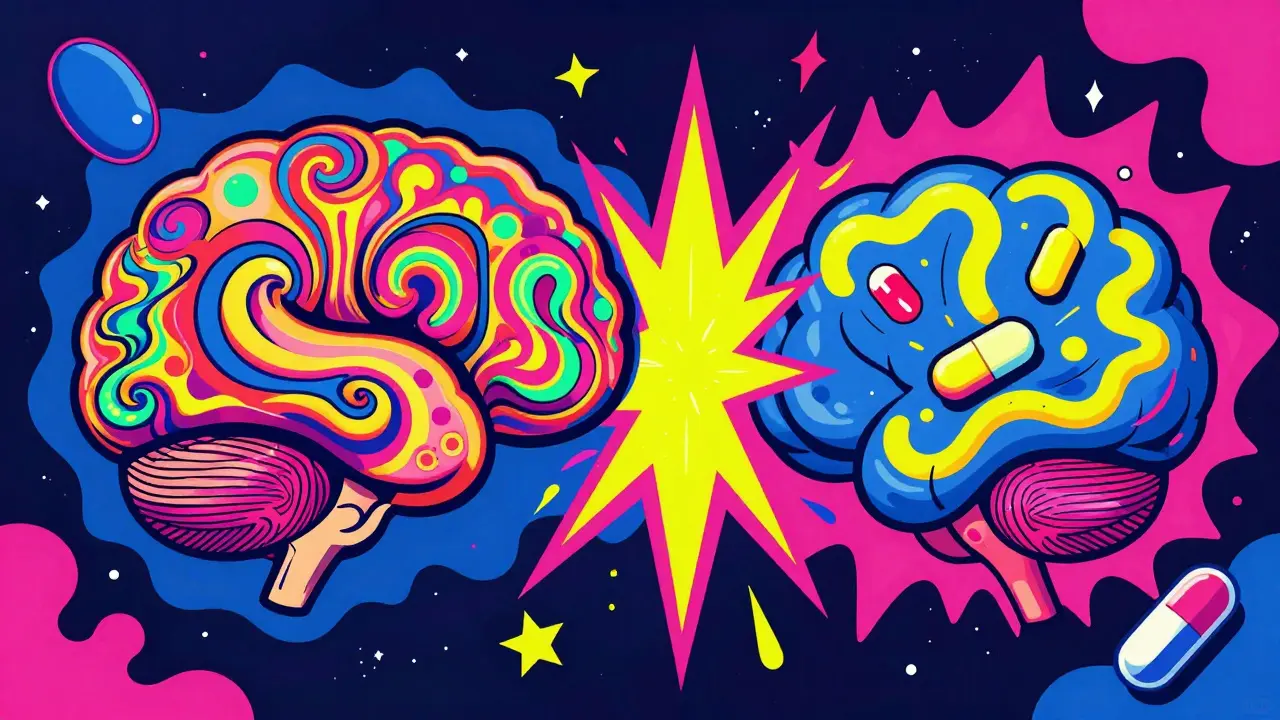
The core problem is that both drug classes act as central nervous system (CNS) depressants. While they work through different chemical pathways, the end result is the same: your brain's "wakefulness" and "breathing" signals get muffled. This isn't a rare occurrence. Many people don't realize that the diphenhydramine in a nighttime allergy aid is a potent sedative that can amplify the opioid side effects you're already experiencing.
How the Interaction Actually Works
To understand why this happens, we have to look at how these drugs enter your brain. Opioids bind to mu-opioid receptors, which kill pain but also tell your brain to breathe less frequently. Meanwhile, first-generation Antihistamines, like diphenhydramine (found in Benadryl) or hydroxyzine (Atarax), are designed to cross the blood-brain barrier. Once inside, they block H1 receptors, which normally keep you alert.
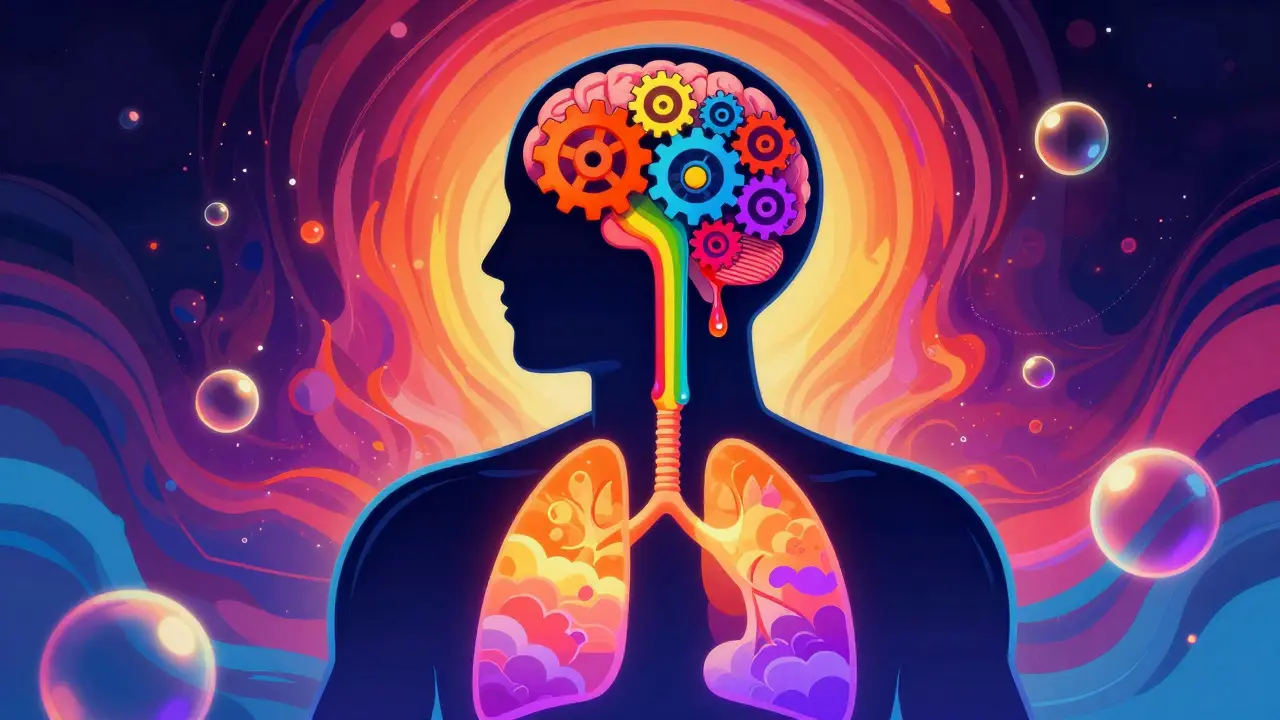
When these two forces meet, they create a "double hit" on the brainstem. The opioids make your body less sensitive to carbon dioxide levels in your blood, and the antihistamines further suppress your respiratory drive. Essentially, your brain "forgets" to tell your lungs to take a breath. This is a pharmacodynamic interaction, meaning the drugs don't necessarily change how the other is metabolized in the liver, but they amplify each other's effects on the target organs.
| Attribute | First-Generation (e.g., Diphenhydramine) | Second-Generation (e.g., Loratadine/Fexofenadine) |
|---|---|---|
| Brain Penetration | High (approx. 60-70%) | Very Low (less than 1%) |
| Sedation Level | Strong | Negligible to Mild |
| Interaction Risk with Opioids | High (Increases Respiratory Risk) | Low |
| Common Use Case | Sleep aids, acute allergies | Daily allergy management |
The Hidden Danger of Over-the-Counter Meds
One of the biggest challenges in preventing these accidents is the "OTC gap." Most people tell their doctor about their prescriptions, but they don't mention the allergy pill they bought at a gas station. According to NIH data, about 68% of patients don't report their over-the-counter medication use to their providers. This leaves a massive blind spot in patient safety.
Take the case of a 68-year-old patient who took hydrocodone for back pain and Benadryl for an itch. He ended up unresponsive and spent 36 hours in the ICU. In another instance, a patient using oxycodone took Atarax (hydroxyzine) and became so drowsy they fell, resulting in a fractured hip. These aren't just "side effects"; they are life-altering events caused by medications that are widely available and often underestimated.
Who Is Most at Risk?
Not everyone reacts to this combination the same way, but certain groups are in significant danger. If you fall into any of these categories, you should be extremely cautious:
- Older Adults: The brain becomes more sensitive to anticholinergic burdens. The American Geriatrics Society's Beers Criteria specifically flags first-generation antihistamines as inappropriate for seniors.
- People with COPD: Chronic obstructive pulmonary disease already compromises lung function. Adding a CNS depressant can push a patient from "struggling to breathe" to "stopped breathing."
- Sleep Apnea Sufferers: Those with sleep-disordered breathing are at a higher risk for opioid-induced respiratory depression (OIRD), especially in the first 24 hours after starting a new medication.
- Users of High-Potency Synthetics: The rise of Fentanyl has made these interactions even more lethal, as the baseline respiratory depression is already much higher.

How to Manage and Prevent Respiratory Risks
You don't have to stop treating your allergies just because you're on pain medication. The key is choosing the right tool for the job. The simplest solution is switching to a second-generation antihistamine. Options like Fexofenadine (Allegra) have negligible sedation because they barely enter the brain, meaning they won't amplify the sedative effects of your painkillers.
For those in a clinical setting, the American Society of Anesthesiologists recommends continuous monitoring for early signs of respiratory depression. If you are a caregiver, look for these red flags:
- Extreme lethargy or inability to wake the person.
- Slow, shallow, or irregular breathing.
- Pinpoint pupils.
- Blue-tinted lips or fingernails (cyanosis).
If you suspect an overdose, the immediate priority is the administration of Naloxone. While naloxone reverses the opioid part of the interaction, it does not reverse the antihistamine sedation. This means the person may still be drowsy, but their breathing should stabilize.
The Future of Safe Prescribing
The medical industry is moving toward more precise safety measures. Many hospitals now use "hard stop" alerts in electronic health records (like Epic Systems) that warn doctors the moment they try to prescribe a high-risk combination. There is also a growing trend toward pharmacogenetic testing. Companies now offer panels that check for variants in enzymes like CYP2D6, which tell doctors how a specific person will metabolize opioids, allowing for safer, personalized dosing.
However, the most effective safety tool is still a conversation. Asking a pharmacist, "Will this allergy pill make my pain medication more dangerous?" can be the difference between a good night's sleep and a trip to the emergency room.
Can I take any allergy medication with opioids?
Generally, second-generation antihistamines like loratadine, cetirizine, or fexofenadine are much safer because they do not cross the blood-brain barrier significantly and are less likely to cause sedation or respiratory depression. Always verify with your doctor first.
What are the signs of respiratory depression?
Watch for slow or shallow breathing (fewer than 12 breaths per minute), extreme sleepiness where the person cannot be easily woken, and a bluish tint to the lips or skin. This is a medical emergency.
Is Benadryl a first-generation antihistamine?
Yes, diphenhydramine (Benadryl) is a classic first-generation antihistamine. It has a high capacity to enter the brain, which is why it causes significant drowsiness and interacts dangerously with opioids.
Does Naloxone reverse the effects of antihistamines?
No. Naloxone specifically targets and reverses opioid receptors. While it will restart breathing by blocking the opioid's effect, it has no impact on the sedation caused by antihistamines.
Why are elderly patients more at risk?
Older adults often have a decreased ability to clear medications from their system and a higher sensitivity to the anticholinergic effects of first-generation antihistamines, making them more prone to extreme sedation and falls.