Obstructive Sleep Apnea: CPAP Therapy and Alternative Treatments That Actually Work
 Dec, 1 2025
What Obstructive Sleep Apnea Really Feels Like
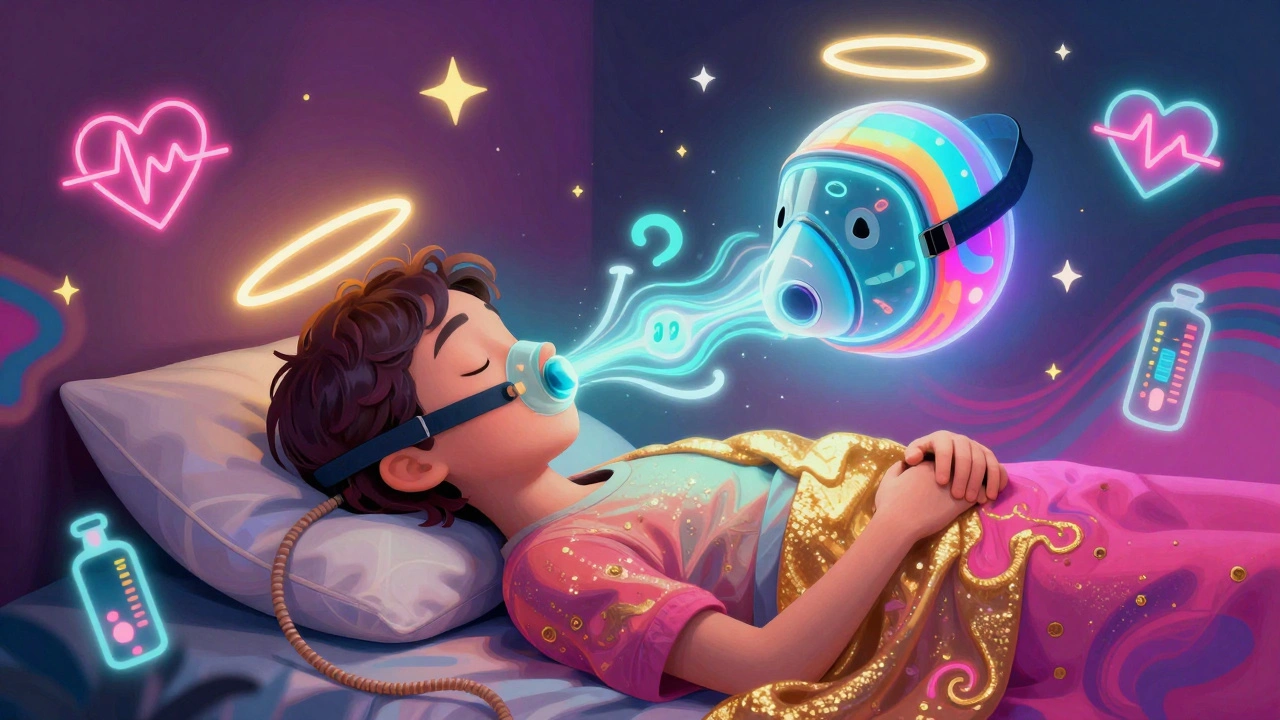
You’ve been told you snore loud enough to wake the neighbors. You wake up exhausted, even after eight hours in bed. Your brain feels foggy all day, and you catch yourself nodding off at the stoplight. If this sounds familiar, you might be dealing with obstructive sleep apnea - a condition where your throat muscles relax so much during sleep that your airway collapses, cutting off your breath for seconds at a time. These pauses can happen 30, 50, even 100 times an hour. Your body jolts awake just enough to breathe again - but you never remember it. Over time, this fragments your sleep, drains your energy, and puts serious strain on your heart.
It’s not just about being tired. Untreated obstructive sleep apnea raises your risk of high blood pressure, heart attacks, stroke, and type 2 diabetes. The American Academy of Sleep Medicine estimates over 1 billion people worldwide have it - and most don’t know. If you’re reading this, you’re probably trying to figure out what comes next. CPAP is the go-to solution. But is it right for you? And if not, what else actually works?
How CPAP Therapy Works - And Why It’s Still the Gold Standard
Continuous Positive Airway Pressure (CPAP) therapy has been the primary treatment for obstructive sleep apnea since the early 1980s. The idea is simple: a small machine pushes a steady stream of air through a mask you wear while sleeping. That air pressure keeps your throat open so you can breathe normally. It doesn’t cure sleep apnea - it manages it. But when used correctly, it works better than anything else.
Modern CPAP machines are nothing like the bulky, noisy units from 20 years ago. Today’s devices weigh under 3 pounds, operate at about the volume of a whisper (26-30 decibels), and many adjust pressure automatically based on your breathing. These are called auto-CPAP or APAP machines. Some, like BiPAP, give you different pressure levels when you inhale versus exhale - helpful if you struggle with the constant force of standard CPAP.
Studies show CPAP can slash your apnea-hypopnea index (AHI) - the number of breathing pauses per hour - from severe levels (39+ events/hour) down to near-normal (7 or fewer) within six months. It also improves daytime alertness by 40%, cuts systolic blood pressure by 5-10 points, and reduces the chance of a car crash by up to 70% in commercial drivers. The Cleveland Clinic confirms these benefits are real and measurable.
The Hard Truth About CPAP Adherence
Here’s the catch: CPAP only works if you use it. And most people don’t.
Research from ResMed and the Journal of Clinical Sleep Medicine shows that only about 70% of patients meet the minimum insurance requirement of 4 hours per night, 70% of nights. That means nearly one in three people aren’t getting any real benefit. Why? The reasons are human, not technical.
Mask discomfort is the top complaint - 35% of new users quit because the mask feels like a prison on their face. Nasal congestion affects 30%, dry mouth 25%, and claustrophobia hits 12%. A 2020 NCBI study found that 61.8% of people who started with a nasal mask switched to a full-face mask within six months because air kept leaking out of their mouths. Reddit threads are full of stories like this: "I tried five masks over two years. Still can’t get past two hours. The feeling of being trapped is unbearable."
Even if you stick with it, CPAP requires discipline. You have to clean the mask daily, disinfect the tubing weekly, and carry the machine when you travel. Medicare and most insurers require you to use it 4+ hours a night, 70% of nights - or they’ll stop covering it. That’s a high bar. And for some, it’s simply not sustainable.
Oral Appliances: The Quiet Alternative That People Actually Use
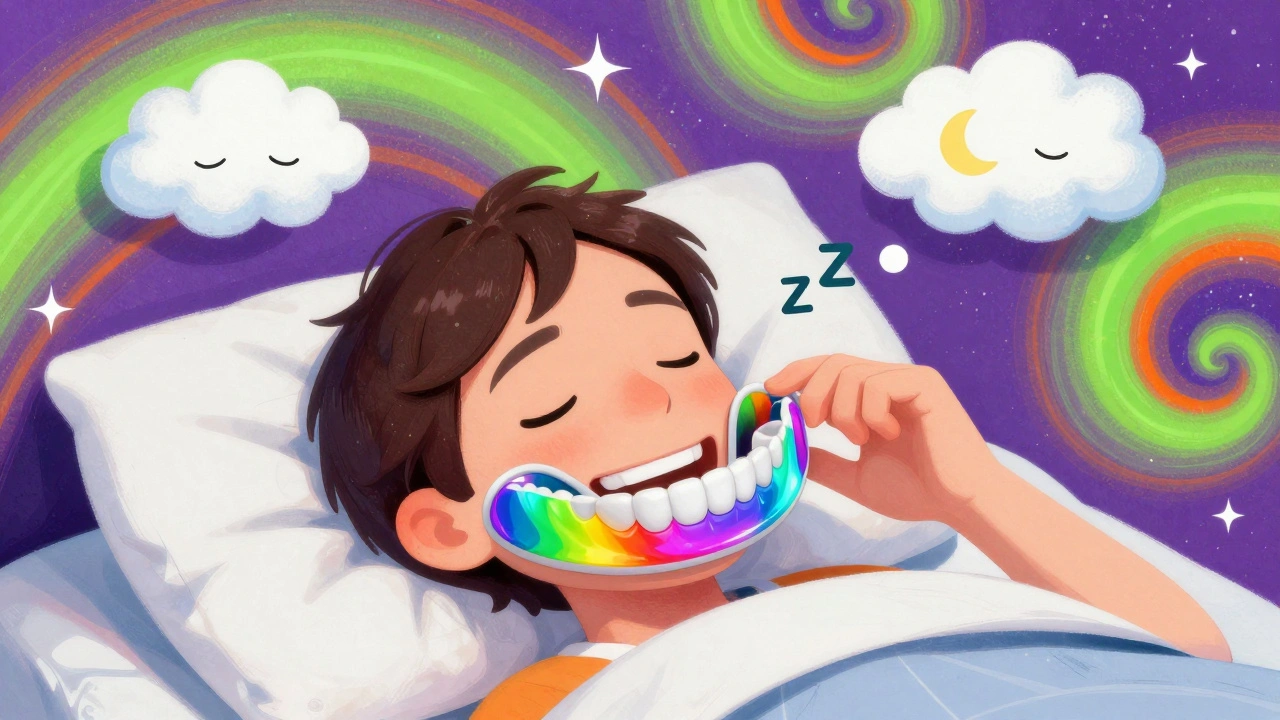
If CPAP feels like a battle, an oral appliance might feel like a breath of fresh air. These are custom-fitted devices, similar to mouthguards, that reposition your lower jaw slightly forward to keep your airway open. They’re prescribed by dentists trained in sleep medicine - not just any dentist.
They’re not as powerful as CPAP for severe cases, but they’re far easier to live with. A 2017 review by the American Academy of Dental Sleep Medicine found that patients use oral appliances on 77% of nights after one year. Compare that to CPAP’s average of 4-5 hours per night. In six crossover trials, four showed patients strongly preferred oral appliances. Why? No masks. No tubes. No machine. Just slip it in before bed, like a retainer.
They’re small enough to fit in a pocket, ideal for travel, and silent. For mild to moderate obstructive sleep apnea, they’re just as effective as CPAP in improving sleep quality and reducing daytime sleepiness. The catch? They don’t work as well for severe cases. And they can cause jaw discomfort or tooth movement over time - which is why regular dental checkups are essential.
Surgery and Implants: When Less Is More (Sometimes)
Surgery sounds like a permanent fix - and for some, it is. But it’s rarely the first choice. Uvulopalatopharyngoplasty (UPPP), which removes excess tissue from the throat, has a success rate of only 40-60%. That means nearly half of people still need CPAP afterward. It’s invasive, painful, and recovery takes weeks.
A newer option is hypoglossal nerve stimulation (Inspire therapy). It’s an implantable device that stimulates the nerve controlling your tongue, preventing it from blocking your airway. Clinical trials show it reduces AHI by 79%. But it requires surgery under general anesthesia, costs around $35,000 out-of-pocket, and isn’t covered by all insurers. It’s also only approved for moderate to severe cases who can’t tolerate CPAP.
There are also positional therapies - devices like NightBalance that gently vibrate when you sleep on your back, encouraging you to roll to your side. If your apnea only happens when you’re on your back (which is true for about half of patients), this can cut your AHI by over 50%. It’s non-invasive, cheap, and easy to try.
Who Should Choose What? A Simple Decision Guide
There’s no one-size-fits-all answer. But here’s how to think about it:
- Severe OSA (AHI ≥ 30): CPAP is still your best bet - if you can handle it. If you can’t, consider Inspire therapy or an oral appliance as a fallback.
- Moderate OSA (AHI 15-29): CPAP and oral appliances are both effective. Choose based on comfort and lifestyle. If you travel often or hate masks, go with the appliance.
- Mild OSA (AHI 5-14): Try an oral appliance or positional therapy first. CPAP may be overkill unless you have high blood pressure or heart disease.
- If you’re a commercial driver: CPAP is required by federal law. No exceptions.
- If you’ve tried CPAP and quit: Don’t give up on treatment. Talk to a sleep specialist about alternatives. Your body isn’t broken - the treatment just didn’t fit.
And here’s a hidden factor: your arousal threshold. Some people wake up easily during breathing pauses - their brains react fast. For them, CPAP feels like a miracle. Others have high arousal thresholds - they don’t wake up at all, even when their oxygen drops. For them, CPAP might not improve daytime alertness much. If you’ve tried CPAP and still feel exhausted, ask your doctor about this. It could mean a different treatment is better suited to your biology.
Getting Started: What to Expect in the First 30 Days
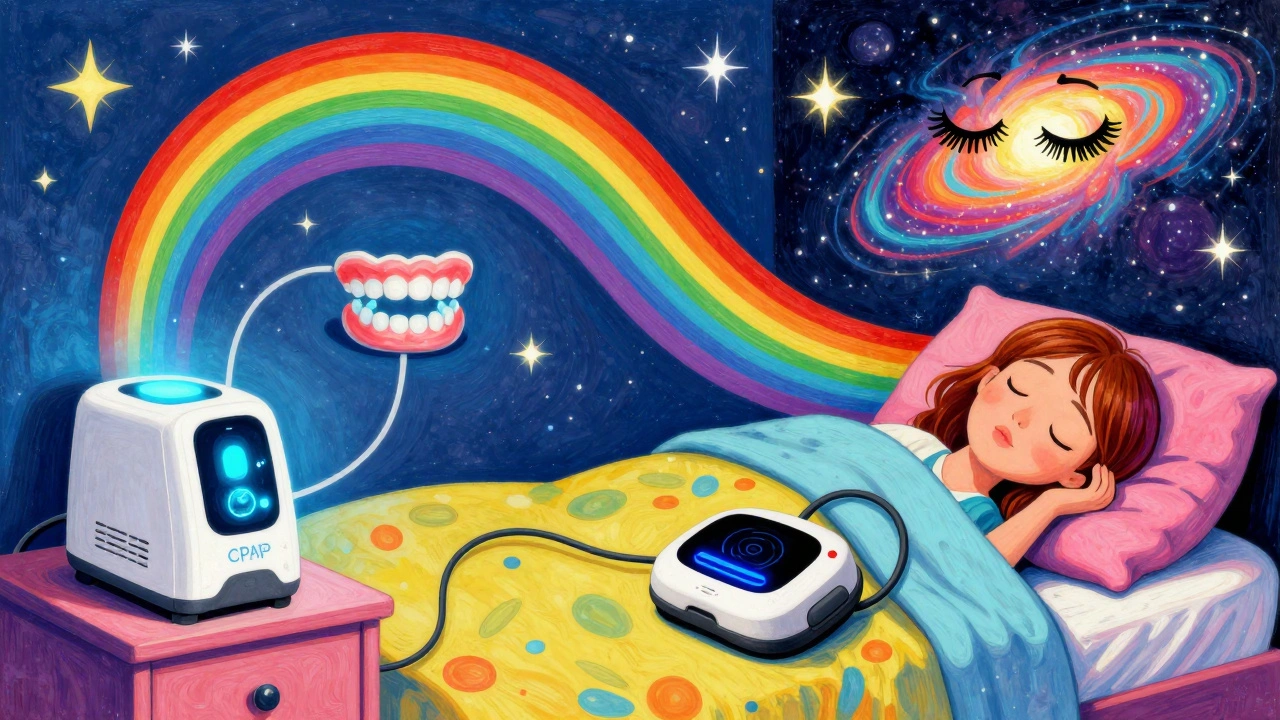
If you’re starting CPAP, don’t expect to sleep perfectly on night one. It takes time. The American Academy of Sleep Medicine recommends starting slow: wear the mask for an hour while watching TV, then increase by 30 minutes each night until you’re using it all night.
Use a heated humidifier if your nose feels dry. Try a nasal pillow mask if full-face feels overwhelming. Use a chin strap if you’re leaking air through your mouth. Clean your mask every morning with mild soap. Wipe down the tubing weekly. Most machines now sync with apps like AirView or DreamMapper - track your usage. It’s not surveillance; it’s feedback.
If you’re going with an oral appliance, schedule a consultation with a dentist who specializes in sleep medicine. They’ll take impressions of your teeth and create a custom device. Expect to visit them twice in the first month - once to fit it, once to adjust it. Don’t skip these steps.
What’s Next for Sleep Apnea Treatment?
The field is evolving fast. In 2023, the FDA cleared Nightware - a smartphone app that uses biofeedback to help you fall asleep faster and stay asleep longer when paired with CPAP. Early results show a 22% increase in usage. Researchers are now testing AI-powered CPAP machines that predict breathing issues before they happen, using data from your snoring, heart rate, and oxygen levels.
3D imaging of the airway is being used to personalize pressure settings based on your unique anatomy. And there’s growing interest in drugs that strengthen the muscles of the upper airway - though none are approved yet.
But the biggest breakthrough isn’t technological. It’s understanding that sleep apnea treatment isn’t about forcing people to use a machine. It’s about matching the right tool to the right person. For some, it’s CPAP. For others, it’s a mouthpiece. For others still, it’s changing how they sleep - not just what they wear.
Final Thought: Treatment Isn’t a Failure - It’s a Fit
If you’ve tried CPAP and walked away, you’re not weak. You’re not lazy. You just didn’t find the right fit. Sleep apnea treatment isn’t a one-time decision. It’s a journey. Many people switch from CPAP to oral appliances. Others start with a positional device and later add CPAP. Some try surgery, then return to masks. There’s no shame in that.
The goal isn’t to wear a mask every night. The goal is to wake up feeling rested, breathe easily, and protect your long-term health. Whatever gets you there - that’s the right treatment.
Is CPAP the only treatment for obstructive sleep apnea?
No, CPAP is the most effective treatment for moderate to severe obstructive sleep apnea, but it’s not the only one. Oral appliances, positional therapy, weight loss, and surgical options like hypoglossal nerve stimulation are proven alternatives. The best choice depends on your severity, anatomy, lifestyle, and tolerance for the device.
Can I use an oral appliance instead of CPAP?
Yes - if you have mild to moderate obstructive sleep apnea. Oral appliances are less effective for severe cases, but they’re far more comfortable and have much higher adherence rates. Many patients who can’t tolerate CPAP find success with a custom-fitted dental device. Always work with a dentist trained in sleep medicine to ensure proper fit and monitoring.
Why do so many people stop using CPAP?
The most common reasons are mask discomfort, nasal congestion, dry mouth, claustrophobia, and difficulty traveling with the equipment. About 35% of users report mask-related discomfort, and 12% experience claustrophobia. Many find that switching mask types - like going from full-face to nasal pillows - or adding a heated humidifier makes a big difference. Support from a sleep clinic or DME provider can help you troubleshoot these issues.
Does insurance cover sleep apnea treatments?
Yes - most insurance plans, including Medicare, cover CPAP machines and oral appliances if you have a confirmed diagnosis from a sleep study. For CPAP, insurers usually require proof of usage: at least 4 hours per night on 70% of nights over a 30-day period. Oral appliances require a prescription from a dentist with sleep training. Always check with your provider about coverage limits and out-of-pocket costs.
How do I know if I have obstructive sleep apnea?
Common signs include loud snoring, gasping or choking during sleep, excessive daytime sleepiness, morning headaches, and difficulty concentrating. If you suspect you have it, talk to your doctor about a sleep study. You can have it done at a sleep center or at home with a portable monitor. A diagnosis is based on your apnea-hypopnea index (AHI) - the number of breathing pauses per hour.
Can losing weight cure obstructive sleep apnea?
For many people, especially those who are overweight, losing weight can significantly reduce or even eliminate sleep apnea symptoms. Losing just 10% of your body weight can cut your AHI in half. In some cases, especially with mild OSA, weight loss alone can remove the need for CPAP or other devices. But it’s not a guaranteed cure - anatomy also plays a role. Still, it’s one of the most effective lifestyle changes you can make.
Nnaemeka Kingsley
December 2, 2025 AT 19:41ANN JACOBS
December 4, 2025 AT 14:50Kshitij Shah
December 5, 2025 AT 00:09Jaswinder Singh
December 6, 2025 AT 21:26Jeremy Butler
December 7, 2025 AT 02:39Courtney Co
December 8, 2025 AT 02:57Shashank Vira
December 8, 2025 AT 03:55Michelle Smyth
December 9, 2025 AT 23:57patrick sui
December 10, 2025 AT 23:53Conor Forde
December 12, 2025 AT 14:02Patrick Smyth
December 13, 2025 AT 09:15