Medication Reminder Strategies: Apps, Alarms, and Organizers
 Mar, 28 2026
Find Your Medication Plan
Answer 3 simple questions to discover if you need a smart app, a dedicated hardware dispenser, or just a better alarm system.
1. Who is this tool for?
2. How complex is the medical situation?
3. What is your budget preference?
Loading...
Tool Recommendation
- Why it fits:
- Cost Factor:
Quick Summary / Key Takeaways
If you struggle to keep track of prescriptions, you aren't alone. Missing doses causes up to 50% of treatment failures, costing billions annually. The most effective strategy often combines digital reminders with physical organization. Apps like Medisafe a popular medication tracker known for its extensive drug interaction database lead the market, while hardware solutions offer automatic dispensing for those with complex needs.
- App vs. Hardware: Apps work best for tech-savvy users, while smart dispensers suit seniors or those with cognitive decline.
- Cost Matters: Free options exist, but advanced features like photo recognition often require subscriptions ranging from $2 to $5 per month.
- Safety First: Always cross-reference new interactions with your pharmacist, as app algorithms can produce false positives.
- Adherence Reality: Simple alarms only improve adherence by 15-20% unless combined with caregiver support.
- Privacy: Ensure your chosen tool complies with HIPAA standards if it shares data with healthcare providers.
The Hidden Cost of Missed Pills
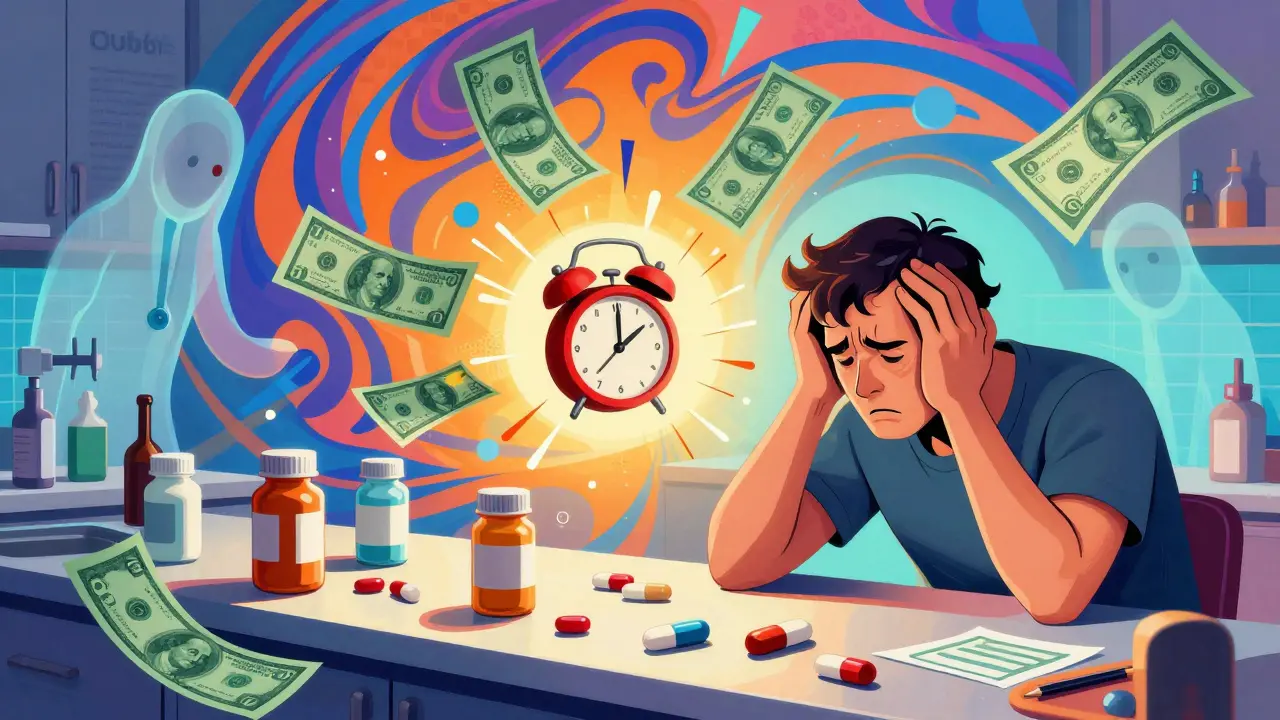
We often think taking medicine is straightforward: open the bottle, swallow the pill, repeat. But reality gets messy fast. When you have multiple prescriptions for different conditions, the math gets complicated. Studies show that nearly half of all treatment failures happen simply because patients don't take their medications correctly. This isn't just about forgetting; it involves taking the wrong dose, mixing things that shouldn't be mixed, or just plain giving up.
This gap costs the United States roughly $300 billion every year. Think about that number. It represents preventable hospital stays, doctor visits that could have been avoided, and quality of life that slipped away. In 2023 alone, poor adherence was linked to about 125,000 deaths. That's why building a solid safety plan around medication management is one of the most important health actions you can take.
You might wonder why simple forgetfulness leads to such massive numbers. It turns out our brains aren't built for modern polypharmacy-the simultaneous use of many drugs. Adding stress, busy schedules, and aging makes it even harder. Fortunately, technology has stepped in to fill that cognitive gap with tools designed specifically to bridge the distance between prescription pads and patient routines.
Digital Solutions: How Apps Actually Work
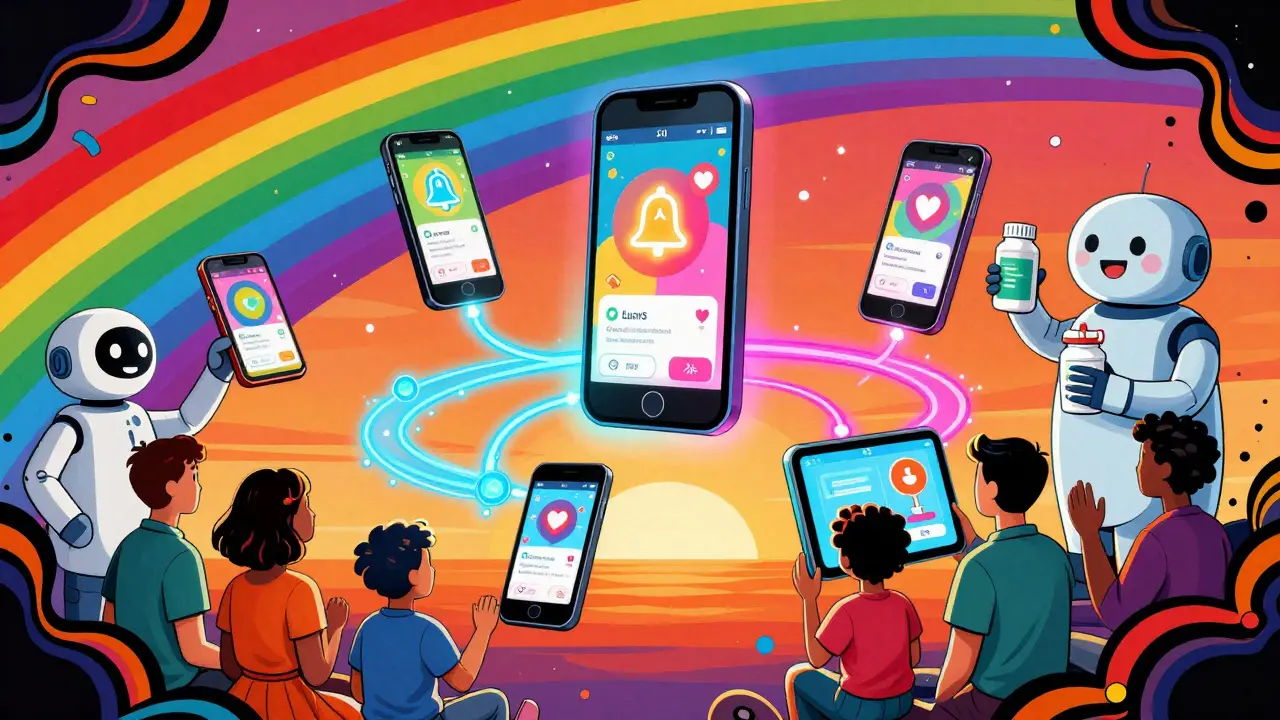
Digital apps were the first major wave of help, starting around 2010. Today, the ecosystem is robust, with thousands of active options. The best ones do more than beep when it's time. They build a profile of your health needs.
Medisafe the largest global medication adherence platform, trusted by millions for its family-sharing features and automated refill alerts remains the market leader for a reason. It covers Android and iOS, uses cloud storage, and offers a "MedFriend" system so loved ones can see if you've taken your dose. While the basic version is free, the premium tier unlocks deeper analytics. If you manage a parent's care, their interface is arguably the most intuitive.
For those who want artificial intelligence doing the heavy lifting, EveryDose an AI-powered assistant capable of identifying medications through photos and checking interactions via Maxwell AI stands out. Their AI assistant, Maxwell, taps into a database of over 10,000 FDA-approved drugs. You can snap a picture of a label, and it scans for dangerous conflicts with 98.7% accuracy. This is huge for people juggling supplements and prescriptions simultaneously.
| Feature | Medisafe | EveryDose | Dosecast |
|---|---|---|---|
| Pricing Model | Free + Premium | Freemium | $2.99/mo |
| Caregiver Access | Yes (Unlimited) | Yes (Limited) | No |
| Interaction Check | Manual/Database | AI-Powered | Basic |
| Best For | Families | Complex Regimens | Chemo/Schedules |
There's also Dosecast a specialized tool designed for handling complex dosing schedules, including chemo and precise intervals, which excels where precision matters. It handles 15-minute intervals with zero margin for error, making it a favorite for chemotherapy patients. However, the subscription fee ($2.99 monthly) deters some budget-conscious users.
Hardware Helpers: Smart Pillboxes
Sometimes, looking at a phone screen isn't enough. Some users get overwhelmed by notifications or struggle with touchscreens. That's where smart hardware steps in.
Devices like the Hero Dispenser a subscription-based pill dispenser service that delivers sorted doses weekly and tracks intake electronically simplify life physically. Instead of sorting your pills every Sunday, they deliver them pre-sorted. The device locks until it's time, then vibrates and lights up. Medicare trials showed 92% adherence rates with similar systems. The downside is the cost: expect to pay about $30 a month plus the hardware fee.
For those preferring self-loaded solutions, the PillDrill Smart Medication System connects via Bluetooth. It holds 28 doses. It's cheaper than full-service delivery but requires you to remember to load it. Error rates hover around 29% when loading complex regimens, so double-check your setup before locking it down for the week.
Don't Ignore the Basics: Native Alarms and Logs
You don't always need a sophisticated app. Using your phone's native clock or alarm feature is free and works offline. However, don't rely on this blindly. A Duke University study found native alarms only show 43% effectiveness for long-term adherence. Why? Because users eventually ignore the noise-a phenomenon known as notification fatigue.
Research indicates 61% of users disable alerts within 30 days if they aren't personalized. To make this stick, pair a standard alarm with a physical log. Keep a small notebook in the kitchen. Checking off a box provides a tactile sense of completion that screens sometimes lack. If you're caring for someone else, this paper trail is crucial evidence if you ever need to report missed doses to a doctor.
Privacy and Security in Health Tech
When dealing with health data, security isn't optional. Your prescription history reveals sensitive information. Before downloading any tool, check its privacy policy. Does it sell data? A 2023 study noted that 63% of free apps monetize through anonymized data sales.
Look for compliance badges. Apps connecting with doctors should adhere to HIPAA the Health Insurance Portability and Accountability Act, setting the standard for patient data privacy. Tools used in clinics, like Care4Today Connect, reduce appointment no-shows by 37% partly because they ensure secure communication channels. If your app asks for access to your contacts or camera without clear purpose, reconsider using it. Secure apps usually offer biometric authentication (fingerprint or face ID) instead of weak PIN codes.
Making the Plan Stick
Implementing a system is one thing; keeping it running is another. Setting up a new app averages 17 minutes for first-timers. It helps to do this with a friend or caregiver present.
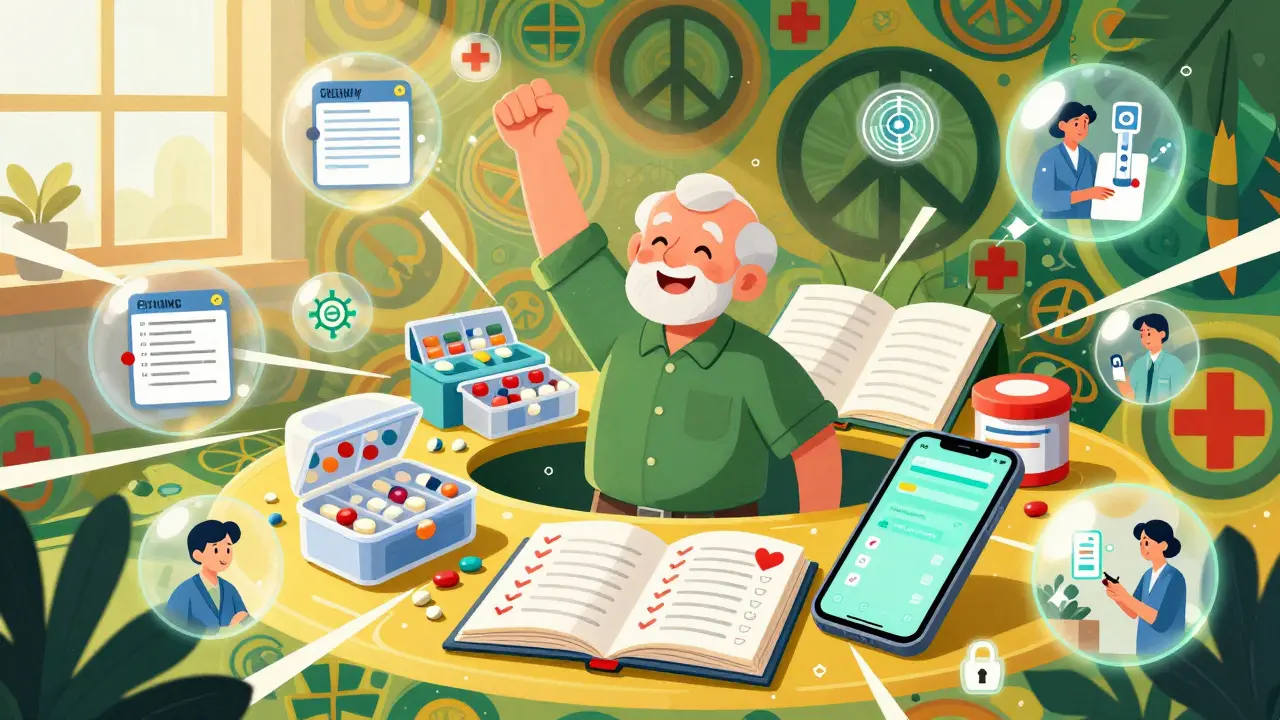
Here is a quick checklist to ensure your plan survives past the first month:
- Weekly Audit: Set a recurring calendar reminder to review your inventory once a week. Missing refills early prevents gaps later.
- Share Access: Enable caregiver permissions immediately. Even if you feel independent, having a backup reduces abandonment risks.
- Avoid Overload: Don't download five different apps. Choose one master hub. Splitting attention between trackers increases confusion.
- Test Run: Use your chosen system for two weeks before committing fully. Adjust alarms to times that actually fit your day (e.g., brushing teeth).
Funding is also changing. As of 2026, some Medicare plans allow reimbursement for FDA-authorized adherence tools. Check your Part D plan details-you might get $15/month credit for purchasing a verified device. This shift toward reimbursable tools suggests these gadgets are becoming recognized medical equipment rather than just lifestyle accessories.
Common Pitfalls to Avoid
Even with the best tools, mistakes happen. A frequent issue is false interaction alerts. Users report spending significant time calling pharmacists because apps flagged benign combinations. Medisafe, for instance, has had feedback regarding prenatal vitamins triggering warnings with Tylenol. Always verify with a professional rather than stopping meds abruptly.
Another trap is relying solely on battery power. Most smart devices last 2-3 months on a charge, but if you miss the low-battery warning, you lose the protection. Pair your electronics with a traditional weekly organizer as a backup. Redundancy is safer than faith in a single algorithm.
Questions About Medication Management
Can medication reminder apps talk to my doctor?
Yes, but it depends on the platform. Many apps like Care4Today Connect facilitate direct messaging between patients and clinicians, but standard consumer apps usually don't push data directly into Electronic Health Records (EHR) without explicit permission integrations. Always ask your provider if they prefer specific reports generated by your app.
Are these apps safe for elderly parents?
They can be, but usability varies. Large-print interfaces and simple navigation are key. Smart pill dispensers often work better for seniors than smartphone apps because they remove the need to interact with complex menus. Look for high-contrast displays and loud alarms.
How do I stop notification fatigue?
Fatigue happens when alarms become background noise. Rotate sounds, schedule specific quiet zones, and use vibration-only modes during sleep hours. Grouping all meds together reduces total alerts. Personalization is the strongest antidote to ignoring alerts.
Is personal health data private on these platforms?
Most reputable apps encrypt data and comply with local privacy laws, but terms of service vary. Read the fine print regarding data sharing. If you are worried, look for HIPAA-compliant enterprise versions or hardware devices that store data locally rather than in the cloud.
Do insurance companies cover these tools?
Coverage is expanding. With recent Medicare updates, certain FDA-authorized adherence tools may qualify for Part D reimbursement. Private insurers are beginning to view these as preventative benefits, but policies change frequently. Contact your carrier to ask about "digital therapeutics" benefits.
RONALD FOWLER
March 28, 2026 AT 18:19Honestly this setup saves lives
Marwood Construction
March 29, 2026 AT 08:41The adherence statistics indicate necessity for clinical protocols.
Digital integration supports broader healthcare outcomes effectively.
Implementation requires structured oversight from medical professionals consistently.
Katie Riston
March 31, 2026 AT 03:08We often overlook the profound implications of digital dependency in healthcare management.
It is easy to assume that algorithms solve the problem entirely.
However the human element remains the critical variable in successful adherence protocols.
Technology acts merely as a bridge rather than the destination itself.
When we delegate memory tasks to software we risk losing intrinsic health literacy.
The safety net provided by hardware devices offers a physical tether to reality.
Yet even mechanical solutions require energy and maintenance from the user.
A device locked in a drawer does nothing for the patient struggling with cognitive decline.
Caregiver involvement transforms the tool from a tracker to a shared responsibility system.
Privacy concerns are frequently dismissed in favor of immediate convenience metrics.
But data breaches expose intimate details of our internal medical histories publicly.
Society must decide how much autonomy we surrender to cloud-based subscription models.
The financial burden of premium tiers further marginalizes those most in need of help.
Accessibility is a right not a luxury feature behind a paywall gate.
Ultimately the best reminder is a mindset shift towards proactive self care daily.
Cameron Redic
April 1, 2026 AT 02:13Most of these features are gimmicks designed to extract money.
Real utility requires zero subscription fees ever.
Companies claim security while selling backend access freely.
William Rhodes
April 1, 2026 AT 04:42You need this now before something bad happens!
Health risks escalate rapidly without proper tracking systems installed.
Investment in safety tools protects families from preventable tragedies immediately!
Calvin H
April 1, 2026 AT 11:24Yeah sure ignore the battery dying warning signs.
People forget to charge the thing that reminds them to take meds.
Dan Stoof
April 2, 2026 AT 21:34This is so great!!! Everyone needs this!!!!
Technology shines brightly for us!!!
So many smiles from caregivers!!!
Brian Yap
April 4, 2026 AT 19:04Looks rad for my nan in the suburbs
Easy interface helps older folks manage life better
Ruth Wambui
April 5, 2026 AT 00:25Big Pharma tracks your heart rate through the app constantly.
Data flows to servers overseas without consent given.
Nefarious schemes hide behind helpful terminology clearly.
Carolyn Kask
April 5, 2026 AT 14:33Only American standards matter really for safety protocols here.
Foreign data storage is completely untrustworthy for citizens.
Domestic compliance is the only true metric that counts.
Biraju Shah
April 6, 2026 AT 03:51Stop blaming patients for forgetting pills entirely.
System design fails people repeatedly every single week.
Corporate greed prioritizes profit margins over health outcomes directly.
Michael Kinkoph
April 7, 2026 AT 05:21Properly vetted tools require significant investment from patrons.
Free applications are inherently inferior in quality control.
True sophistication demands substantial financial commitment always.