Medication Recalls: What Patients Should Do Immediately
 Jan, 12 2026
What to Do Right Now If Your Medicine Is Recalled
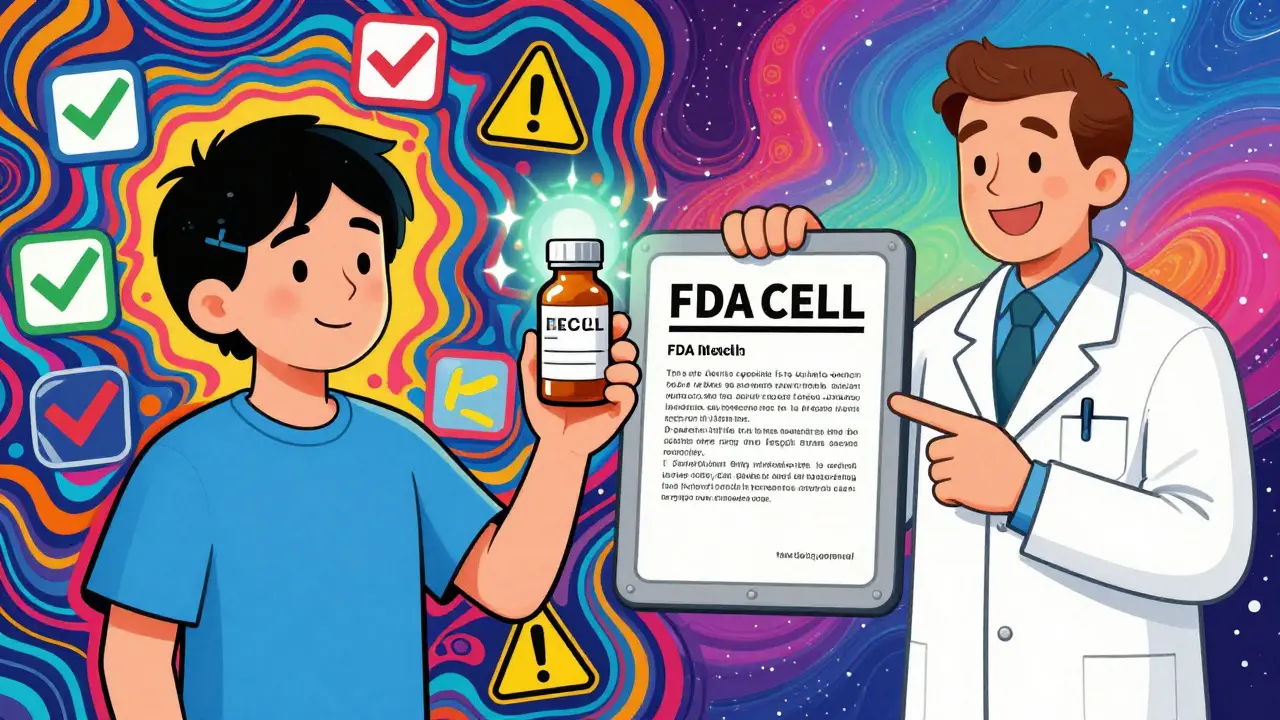
You open your medicine cabinet and see a notice: your blood pressure pill has been recalled. Your heart drops. Should you stop taking it? Throw it out? Call the doctor? Medication recall sounds scary-but panic won’t help. What you do next matters more than ever.
Every year, thousands of medicines are pulled from shelves. In 2022 alone, the FDA recorded over 4,800 drug recalls. Most aren’t life-threatening. But when they are, acting fast can save your life. The key isn’t guessing. It’s knowing exactly what steps to take-and when.
Don’t Stop Taking Your Medicine-Yet
It’s the most common mistake: people see “recall” and immediately stop taking their pills. That’s dangerous.
Take valsartan, for example. In 2018, a contaminated batch was recalled. The FDA didn’t tell people to quit. They said: keep taking it until your doctor or pharmacist gives you a safe replacement. Why? Stopping blood pressure meds cold turkey can cause a spike in blood pressure, leading to stroke or heart attack. Same goes for insulin, seizure meds, or antidepressants. Abruptly quitting can be worse than the recalled drug.
Here’s the rule: Never stop a prescribed medicine without talking to your pharmacist or doctor first. Even if it’s recalled. Your condition doesn’t pause for a recall.
Check Your Lot Number-Not Just the Name
Not every bottle of a recalled drug is unsafe. Only specific batches are affected.
Look at the label. You’ll see a lot number-a mix of letters and numbers like “L23AB09” or “N7845”. That’s your key. The recall notice will list exact lot numbers. If yours isn’t on the list, you’re fine.
Here’s the problem: 45% of patients assume the whole brand is recalled. They panic, throw away good medicine, and go without. That’s why checking the lot number is step one. Your pharmacy can help. Just bring your bottle or call them with the name and lot number. They’ll check their system instantly.
How to Find Out If Your Medicine Is Recalled
The FDA doesn’t send texts or emails to every patient. You have to check.
Go to fda.gov/safety/recalls. Search by the brand name-like “Lisinopril” or “Metformin”. Use the dropdown to filter by “Drug” and click on the recall notice. It will show you:
- Exact brand and generic names
- Lot numbers affected
- Expiration dates
- NDC code (a 10-digit number on the bottle)
- Why it was recalled-contamination, wrong dosage, mislabeling
Some recalls are Class I-serious risk. Others are Class III-just a labeling error. The notice will say. If you’re unsure, call your pharmacist. They know the difference.
Pro tip: Sign up for the FDA’s free RSS feed. It sends real-time alerts. About 45% of healthcare pros use it. You should too.
What Your Pharmacist Can Do for You
Pharmacists are your frontline defense. They get recall notices before you do. Most pharmacies have systems that flag your name if a drug you take is pulled.
But don’t wait for them to call. Call them. Say: “I’m on [medication name]. Is there a recall on my lot?” They’ll check their inventory. If your batch is affected, they’ll give you a new bottle from a safe lot-usually within 24 hours. No extra cost. No paperwork.
They can also switch you to a different brand or generic if needed. And if you’re out of refills? They can often call your doctor for an early refill. Pharmacists have more power than most patients realize.
How to Safely Dispose of Recalled Medicine
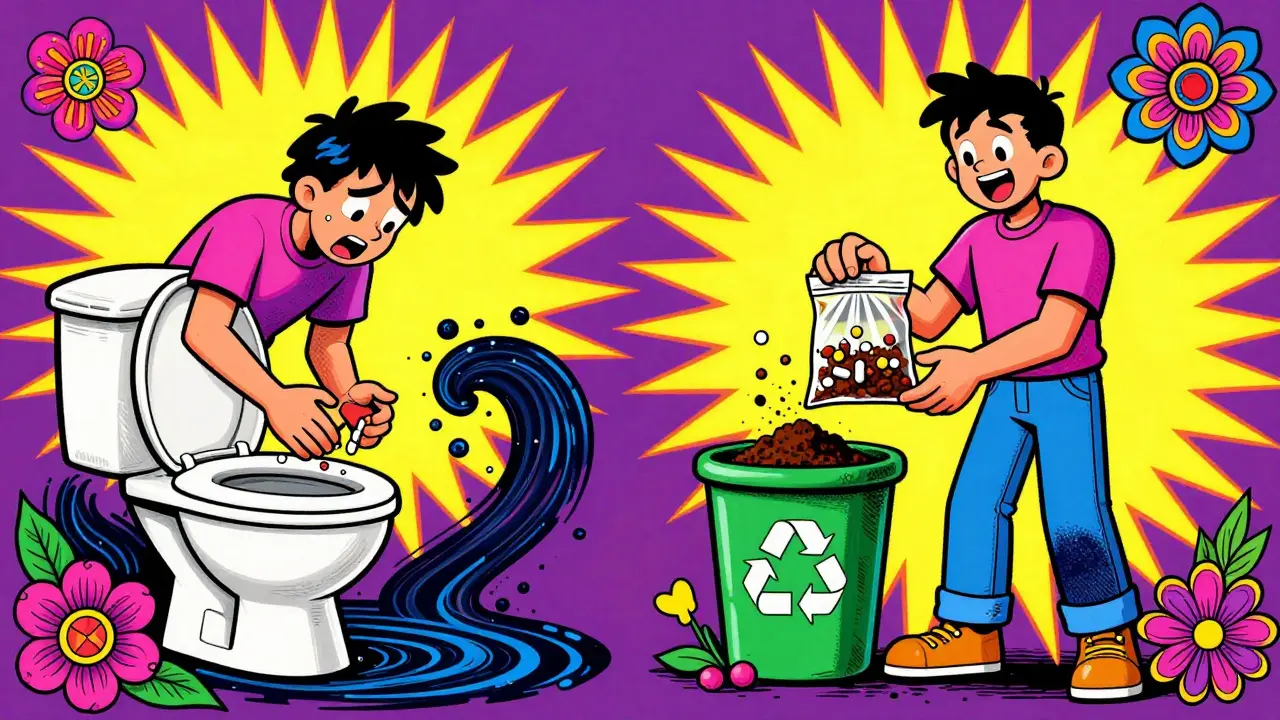
If you’re told to throw it out-don’t flush it. Don’t toss it in the regular trash. That’s unsafe for kids, pets, and the environment.
Here’s what the FDA recommends:
- Take the pills out of the bottle.
- Mix them with something unappetizing-used coffee grounds, cat litter, or dirt.
- Put the mixture in a sealed plastic bag.
- Throw it in the trash.
Some pharmacies have take-back bins. Ask if yours does. In some areas, local law enforcement or hazardous waste centers accept old meds. But if you can’t find a drop-off, the coffee grounds method works. It’s simple. It’s safe.
Watch for Symptoms-And Write Them Down
If you took a recalled drug, especially a Class I recall, monitor your body. Did you get a rash? Nausea? Dizziness? Unusual fatigue? Headaches? Write it down.
Even small changes matter. The FDA’s Adverse Event Reporting System got over 1.2 million reports in 2022. About 8% were tied to recalled drugs. If you report your symptoms, you might help stop a bigger problem.
Use a notebook or your phone. Note the date, time, symptom, and dose you took. Bring it to your doctor. If you’re unsure if it’s related, call your pharmacist. They’ve seen this before.
Common Mistakes Patients Make
Here’s what not to do:
- Stopping your medicine without asking-happens in 22% of cases. Risky.
- Ignoring lot numbers-45% of people think the whole brand is bad.
- Flushing pills-30% still do this. It pollutes water supplies.
- Waiting to act-Class I recalls are resolved in 10 business days if handled fast. Delays cost lives.
The biggest myth? “It’s just a recall. It’s not that serious.” In 2022, 15% of recalls were Class I. That’s 730+ cases where harm or death was possible. Don’t gamble.
Be Ready for Next Time
Most people don’t keep track of their meds. Only 18% of patients note lot numbers or expiration dates. That’s a problem.
Start now. Keep a simple list: medicine name, dose, lot number, expiration date. Store it on your phone or in a small notebook. When a recall happens, you can check in seconds-not hours.
Those who do this resolve recall issues 60% faster. That’s not just convenience. That’s safety.
What’s Changing in 2026
Recalls are rising. From 2021 to 2022, they jumped 12%. Blood pressure meds, diabetes drugs, and cancer treatments top the list.
The FDA is improving. New systems now push recall alerts directly to patients through pharmacy benefit managers. Pilot programs show response times improved by 35%. That means you’ll hear about recalls faster.
But technology won’t replace your action. You still need to check your lot number. You still need to call your pharmacist. You still need to know what your medicine is and why you take it.
What should I do if my medicine is recalled?
Don’t panic. Don’t stop taking it. Check the lot number on your bottle against the FDA recall notice. Call your pharmacist-they can confirm if your batch is affected and give you a safe replacement within 24 to 48 hours. Follow their instructions exactly.
Can I just throw away recalled medicine?
No. Never flush it or toss it in the regular trash. Mix the pills with used coffee grounds or cat litter, seal them in a plastic bag, then throw them in the trash. This keeps kids and pets safe. Some pharmacies have take-back programs-ask yours.
Are all batches of a recalled drug unsafe?
No. Only specific lots are affected. A recall notice lists exact lot numbers, NDC codes, and expiration dates. If your bottle’s lot number isn’t listed, your medicine is safe. Never assume the whole brand is recalled.
Why do medications get recalled?
Most recalls-about 65%-are due to manufacturing errors like wrong strength or contamination. Another 20% are labeling mistakes-wrong instructions or missing warnings. Only 5% are from unexpected side effects. Most are not life-threatening, but all require action.
How do I know if a recall is serious?
The FDA classifies recalls into three levels. Class I means serious health risk or death. Class II means temporary or reversible harm. Class III is unlikely to cause harm. The recall notice will say which one it is. If it’s Class I, act fast-but still don’t stop your medicine without talking to your provider.
Should I report side effects after taking a recalled drug?
Yes. Use the FDA’s MedWatch program to report any unusual symptoms-even if you’re not sure they’re linked. In 2022, 27% of consumer reports led to new investigations. Your report could help prevent others from being harmed.
Can I get a replacement for free?
Yes. Pharmacies are required to replace recalled medication at no cost. If your insurance won’t cover it early, your pharmacist can often work with your doctor to get an emergency refill. You shouldn’t pay extra for a recalled drug.
Final Thought: Knowledge Is Your Shield
Medication recalls aren’t rare. They’re part of how safety systems work. The system isn’t perfect-but you don’t have to be helpless. Knowing how to check your lot number, when to call your pharmacist, and how to dispose of pills safely turns fear into control.
Keep your medicine list updated. Talk to your pharmacist like a partner-not just a dispenser. And never assume. Always verify. Your health depends on it.
Diana Campos Ortiz
January 14, 2026 AT 12:28James Castner
January 15, 2026 AT 22:44lucy cooke
January 16, 2026 AT 05:45Kimberly Mitchell
January 17, 2026 AT 07:47Angel Molano
January 19, 2026 AT 02:13Vinaypriy Wane
January 20, 2026 AT 13:10Adam Rivera
January 21, 2026 AT 10:21mike swinchoski
January 22, 2026 AT 00:47Anny Kaettano
January 22, 2026 AT 10:08John Tran
January 23, 2026 AT 22:56Robin Williams
January 25, 2026 AT 22:05Scottie Baker
January 26, 2026 AT 22:20Jesse Ibarra
January 27, 2026 AT 06:57