How to Secure Medications During Home Renovations or Moves
 Apr, 6 2026
Keeping your health stable while your house is in shambles requires a specific strategy. You can't just throw everything in a random box and hope for the best. You need a plan that balances environmental safety, strict security, and a ruthless approach to cleaning out the old stuff.
Quick Summary: Safe Medication Transitions
- Prioritize Security: Use a locked box or safe to prevent unauthorized access during renovations or moves.
- Control the Environment: Keep non-refrigerated meds between 15°C and 25°C; avoid bathrooms and windowsills.
- Cold Chain Management: Use insulated containers for refrigerated items (2°C-8°C) and never freeze them.
- Purge Before You Pack: Dispose of expired or unwanted drugs via official take-back programs.
- Keep Originals: Always store medications in their original prescription bottles to avoid dosing errors.
The Hidden Dangers of Temporary Storage
When you're renovating, your usual medicine cabinet might be ripped out, or the bedroom where you keep your safe is currently a dust bowl. The temptation is to move your prescription medication medicated substances prescribed by a doctor for a specific medical condition to a "temporary spot" like a kitchen counter or a bathroom shelf. This is a mistake.
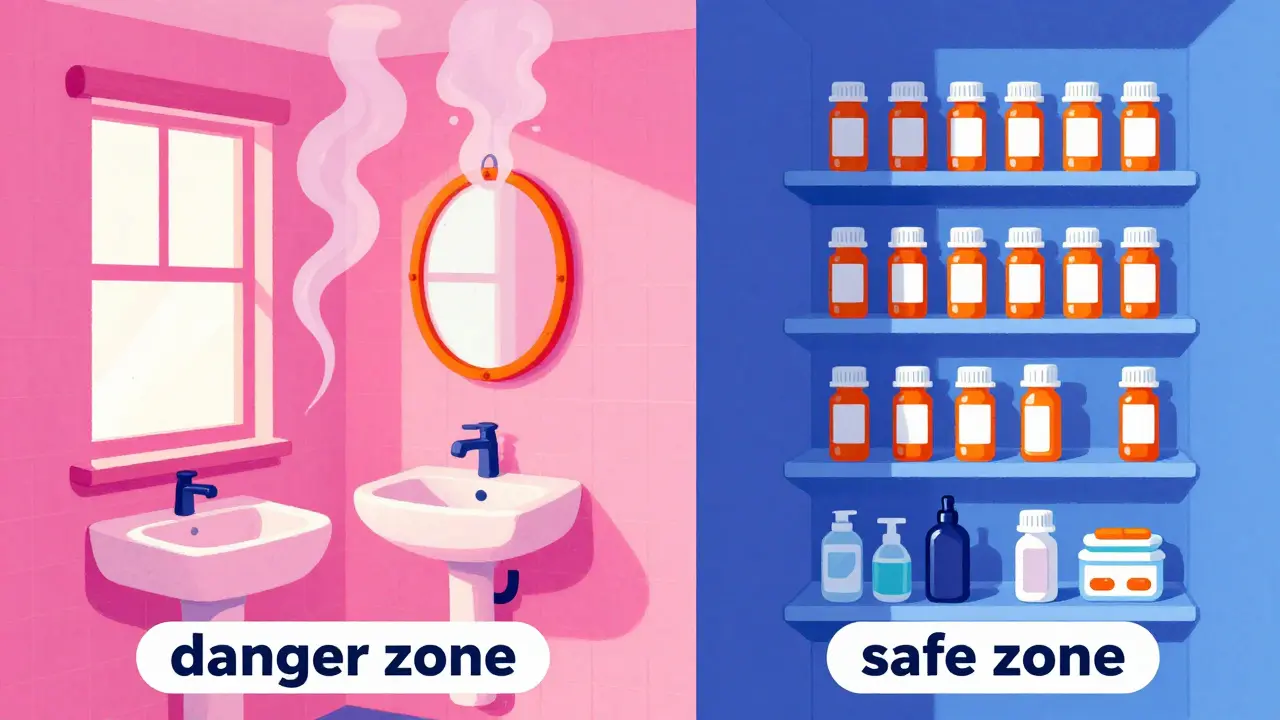
Bathrooms are the worst place for pills. The steam from a shower creates humidity that can actually break down the chemical compounds in your medicine. For example, if you use blood glucose strips for diabetes, humidity can lead to inaccurate readings, which is a dangerous game to play. Similarly, windowsills are a no-go because direct sunlight degrades the potency of many drugs. To keep your meds working, you need a cool, dry area-think of a hall closet or a high kitchen cabinet away from the stove.
Locking Down Your Meds Around Strangers
Renovations usually mean a revolving door of plumbers, electricians, and painters. While most contractors are professional, having high-risk medications lying around is a liability. Medication Security the practice of storing pharmaceuticals in a way that prevents unauthorized access or theft becomes your top priority here.
If you don't have a built-in safe, buy a robust locking compartment. A small fire box or a heavy-duty lockbox works perfectly. The goal is to keep medications out of sight and out of reach, especially if you have children. Safe Kids Worldwide suggests storing meds at or above counter height, but when the house is in flux, a physical lock is the only way to guarantee safety. If you're moving, don't leave your meds in the "miscellaneous" box; keep them in a dedicated, locked travel kit that stays with you, not the movers.
| Medication Type | Ideal Temperature | Key Risk | Best Temporary Location |
|---|---|---|---|
| Standard Tablets/Capsules | 15°C to 25°C (59°F-77°F) | Humidity/Heat | High Hall Closet |
| Refrigerated (e.g., Insulin) | 2°C to 8°C (36°F-46°F) | Freezing/Overheating | Insulated Cooler Bag |
| High-Risk/Controlled | Ambient (Cool/Dry) | Theft/Accidental Ingestion | Locked Steel Safe |
Moving Day: Managing the "Cold Chain"
The most critical moment for medication safety is the actual transport from the old house to the new one. One of the biggest mistakes people make is leaving medications in the car. The Environmental Protection Agency the United States government agency responsible for protecting human health and the environment warns that vehicles experience extreme temperature swings that can ruin pharmaceuticals.
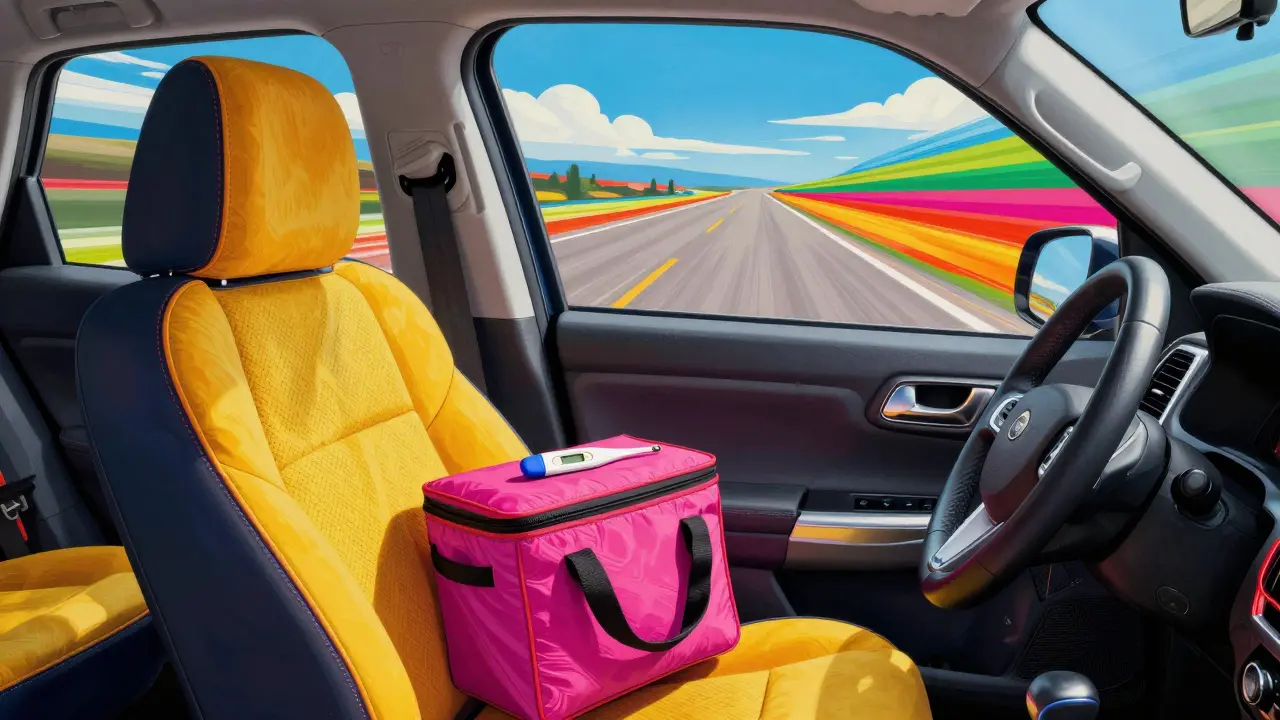
If you have temperature-sensitive medications like insulin, you have to be incredibly careful. Insulin is a protein; if it freezes, it becomes unstable. Because you can't tell just by looking if a drug has been frozen and thawed, you should use an insulated medical cooler with a thermometer. Avoid packing these items in the back of a moving truck where temperatures can soar or plummet. Carry them in the passenger cabin of your car where the climate control is active.
The Pre-Move Purge: Safe Disposal
Moving is the perfect time to clear out the "pharmacy graveyard" in the back of your cabinet. Many people hold onto expired meds "just in case," but this creates a huge risk during a move. Disorganized, expired pills are often the ones that end up in the wrong hands or get accidentally taken.
The gold standard for disposal is a Drug Take-Back Program a service where unused or expired medications are collected for professional incineration. This ensures the chemicals don't end up in the water supply. If a take-back program isn't available, you can mix non-hazardous pills with something unappealing, like used coffee grounds or cat litter, and seal them in a plastic bag before tossing them in the trash.
However, be careful with controlled substances. Certain high-potency opioids like fentanyl or hydrocodone are too dangerous to put in the garbage. For these, the standard advice is often to flush them down the toilet to prevent any chance of someone digging them out of the trash, though you should always check the specific packaging for disposal instructions.
A Checklist for Your Medication Transition
To make sure nothing slips through the cracks, follow this sequence whether you are knocking down walls or changing zip codes:
- Audit: Go through every medication. Toss anything expired using a certified take-back service.
- Consolidate: Keep all current meds in their original bottles. Do not move them into generic pill organizers during the transition; it's too easy to mix them up.
- Secure: Move all medications into a single, locked portable container.
- Verify: Check the temperature of your storage area. If it's over 25°C or under 15°C, find a new spot.
- Transport: Carry the locked container personally. Do not let it go into the moving truck.
- Settle: Once in the new space, establish a permanent, high, and dry storage area before unpacking other items.
Can I just keep my meds in the bathroom during the renovation?
No. The humidity from showers and the temperature fluctuations in bathrooms can cause medications to break down and lose their effectiveness. Look for a cool, dry place like a linen closet or a high kitchen shelf.
What should I do if my refrigerated medication accidentally freezes during a move?
If you suspect a medication like insulin has frozen, do not use it. There is no visual way to tell if the protein structure has been damaged. Contact your pharmacist or doctor immediately for a replacement.
Is it safe to put my pills in a plastic bag to make them easier to move?
It's a bad idea. Always keep medications in their original prescription bottles. This prevents dosing errors and ensures you have the correct instructions and expiration dates handy, which is critical if you have a medical emergency during the move.
How do I handle controlled substances if I can't find a take-back location?
For high-risk medications like fentanyl or hydrocodone, the risk of diversion is too high for the trash. According to safety guidelines, these should typically be flushed down the toilet if a professional take-back option is unavailable.
What's the best way to transport meds in a car during a long-distance move?
Keep them in a locked bag in the passenger area, not the trunk. Use a small, insulated cooler if you have temperature-sensitive meds, and monitor the temperature with a small digital thermometer to ensure it stays within the required range.
Stephen Luce
April 7, 2026 AT 14:21Moving is honestly one of the most stressful things you can go through, especially when you're juggling chronic health issues on top of the chaos. I really appreciate the reminder about the bathroom humidity because most of us just default to the medicine cabinet without thinking. It's a small detail that can actually make a huge difference in how the meds work.
Danielle Kelley
April 7, 2026 AT 19:55Oh please, as if a "locked box" is going to stop the people they actually send into your home to spy on you. They probably have scanners that can see right through the plastic or steel anyway. The government doesn't want you securing your meds, they want them accessible so they can swap them for trackers or something even worse. Wake up people!
Srikanth Makineni
April 8, 2026 AT 00:24just use a cooler bag and keep it in the car. simple.
Daniel Trezub
April 8, 2026 AT 04:12Actually, the whole "don't put them in the bathroom" thing is a bit overblown for most basic pills. I've had my vitamins and some generics in a bathroom for years and they've been just fine, though I'll admit a tiny bit of moisture doesn't help. Still, the advice to avoid the car trunk is spot on because those things become ovens in the summer. I'm not saying the post is wrong, just that some of these "dangers" are slightly exaggerated for the sake of a guide.
Toby Sirois
April 9, 2026 AT 02:09You people are so clueless. If you actually knew how to organize, you wouldn't need a "guide" for this. It is basic common sense to keep your stuff safe. I've told my clients a thousand times that the secret is just being an adult and taking responsibility for your own health. Stop relying on lists and just use your brain for once.
Christopher Cooper
April 10, 2026 AT 17:48I think the point about the original bottles is really crucial. I've seen so many people move their daily pills into those plastic weekly organizers to save space, but if you lose the chart or the bottle, you're just guessing what that white pill is. It is much better to be safe and carry the bulkier bottles than to risk a massive dosing error during a high-stress transition.
Alexander Idle
April 11, 2026 AT 15:28My goodness, the sheer audacity of suggesting that one should simply "flush" medications down the toilet in this day and age! The ecological catastrophe we are courting is simply breathtaking. I am absolutely appalled that such a primitive suggestion is being presented as a viable option. It is an absolute tragedy that we must choose between domestic safety and the literal poisoning of our water tables. Truly, a nightmare scenario!
Vivek Hattangadi
April 12, 2026 AT 14:51That's a fair point about the environment, but if someone is in a desperate spot with dangerous meds and no take-back site, they need a practical answer. I've found that some local pharmacies will take them even if they aren't a formal "program" site. It might be worth calling around a bit more before resorting to the drain. We can all work together to find better local options!
Rupert McKelvie
April 13, 2026 AT 22:43Keeping a digital thermometer in the cooler is a brilliant addition. It takes all the guesswork out of it and gives you peace of mind during a long drive.
charles mcbride
April 15, 2026 AT 09:38It is truly wonderful to see such a comprehensive list of safety measures. I believe that by following these steps, anyone can ensure their health remains stable regardless of the chaos surrounding their home. Wishing everyone a very smooth and safe transition to their new living spaces!
Sarabjeet Singh
April 16, 2026 AT 12:35Just focus on the audit part first. If you clear out the junk now, the move is way easier. Keep it simple and get it done.