Herbal Supplements That Interact with Common Prescription Drugs
 Feb, 1 2026
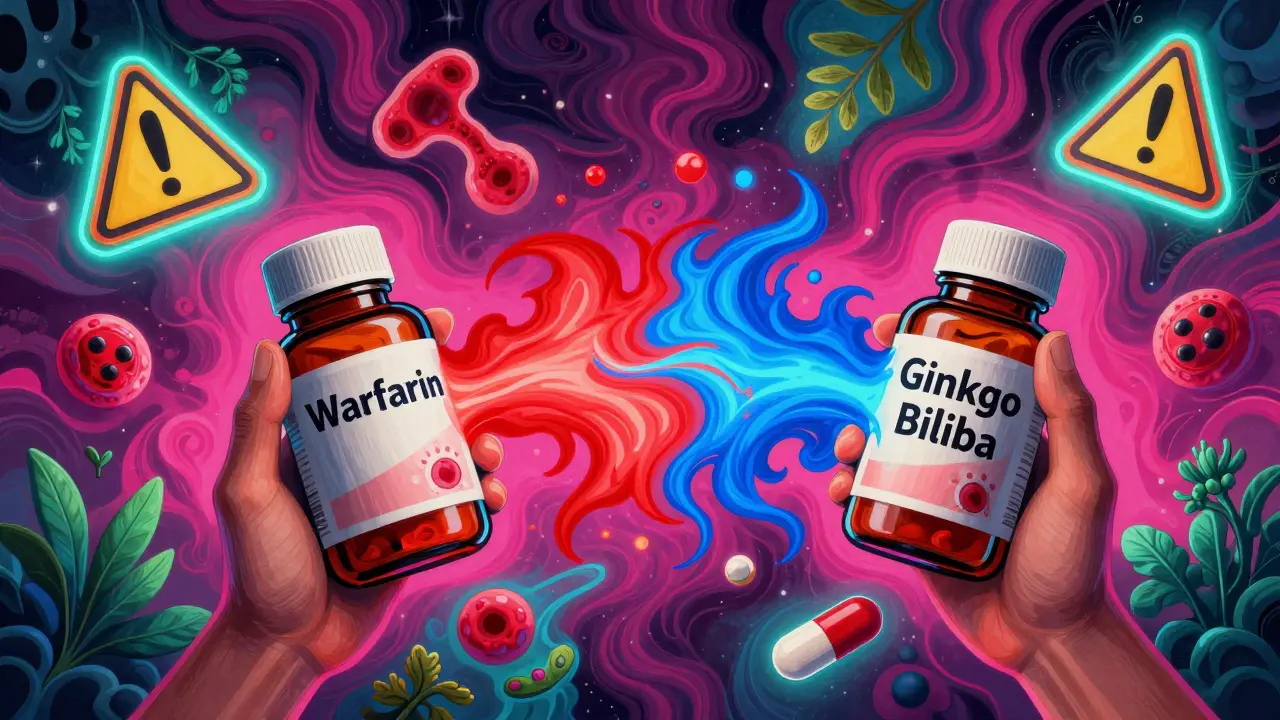
Many people take herbal supplements thinking they’re harmless because they’re "natural." But what many don’t realize is that these same supplements can clash dangerously with the prescription drugs they’re already taking. It’s not just a theoretical risk - it’s happening in real lives, every day. Someone on warfarin for a blood clot might start taking ginkgo for memory, not knowing it can turn their INR into a ticking time bomb. Another person on antidepressants might grab St. John’s Wort for low mood, unaware it could slash their medication’s effectiveness by half or trigger serotonin syndrome. These aren’t rare outliers. They’re predictable, preventable mistakes - and they’re far more common than most doctors or patients admit.
Why Herbal Supplements Aren’t Always Safe
The idea that "natural equals safe" is one of the most dangerous myths in health today. Herbal supplements aren’t regulated like prescription drugs. They don’t need FDA approval before hitting shelves. That means manufacturers don’t have to prove they’re safe, effective, or even consistent from bottle to bottle. A ginkgo supplement from one brand might contain 10% active compounds; another might have 40%. You can’t tell just by looking at the label. These products work in your body the same way drugs do - they’re absorbed, metabolized, and eliminated. And that’s where the trouble starts. Many herbs interfere with liver enzymes (especially CYP3A4 and CYP2C9), which are responsible for breaking down about 70% of all prescription medications. When an herb blocks or speeds up these enzymes, it throws off drug levels in your blood. Too little? The drug doesn’t work. Too much? You overdose. The numbers are startling. According to the Mayo Clinic, nearly 70% of adults over 65 use at least one supplement. About a quarter of them are also on prescription meds. Yet only 25% tell their doctor about it. That’s a massive blind spot in patient care. And it’s not just older adults. Younger people taking birth control, antidepressants, or blood thinners are just as vulnerable.St. John’s Wort: The Silent Drug Killer
If you’re on any prescription medication, St. John’s Wort is the one herb you should avoid unless your doctor says otherwise. This popular supplement for mild depression doesn’t just gently interact - it aggressively strips away the effectiveness of dozens of drugs. Research from the National Center for Complementary and Integrative Health shows St. John’s Wort reduces blood levels of cyclosporine by 50-60%. For someone who’s had a kidney or liver transplant, that drop can mean organ rejection. It cuts the concentration of oral contraceptives by 15-30%, leading to unintended pregnancies. In HIV patients on protease inhibitors, levels can plummet by 80%, risking treatment failure and drug-resistant strains. Even antidepressants aren’t safe. When taken with SSRIs like sertraline or fluoxetine, St. John’s Wort can trigger serotonin syndrome - a life-threatening condition marked by high fever, muscle rigidity, confusion, and seizures. The American Academy of Family Physicians explicitly warns against combining them. And it’s not just doctors who know this. On Drugs.com forums, 78% of user reports about St. John’s Wort mention contraceptive failure. Over 40% of those cases led to pregnancy. There’s no safe dose. Even low doses taken for weeks can build up enough to cause harm. If you’re thinking of trying it, talk to your doctor first - or better yet, skip it entirely.Ginkgo Biloba and the Bleeding Risk
Ginkgo biloba is marketed for memory, circulation, and brain health. It’s in nearly 73% of supplements labeled for cognitive support. But if you’re on blood thinners - warfarin, apixaban, rivaroxaban, or even daily aspirin - this herb can be deadly. Between 2010 and 2020, the Mayo Clinic documented 23 cases of major bleeding linked to ginkgo and anticoagulants, including three deaths. A 2019 meta-analysis found ginkgo increases bleeding risk by 300% compared to warfarin alone. One Reddit user, u/HeartPatient99, described being hospitalized after combining ginkgo with apixaban: "INR spiked to 8.2. I had severe rectal bleeding. My doctors said this happens more than people realize." Why? Ginkgo inhibits platelet aggregation - it stops blood from clotting properly. When paired with drugs that do the same thing, the effect multiplies. The risk isn’t just theoretical. It’s measurable. INR levels can rise dangerously fast - sometimes within days. That’s why pharmacists using the Stockley’s protocol recommend INR checks within 72 hours of starting ginkgo, then weekly until stable. Even if you’re not on a blood thinner, ginkgo can cause issues if you’re scheduled for surgery. Many surgeons ask patients to stop it two weeks before any procedure. Don’t assume your doctor knows you’re taking it. You have to tell them.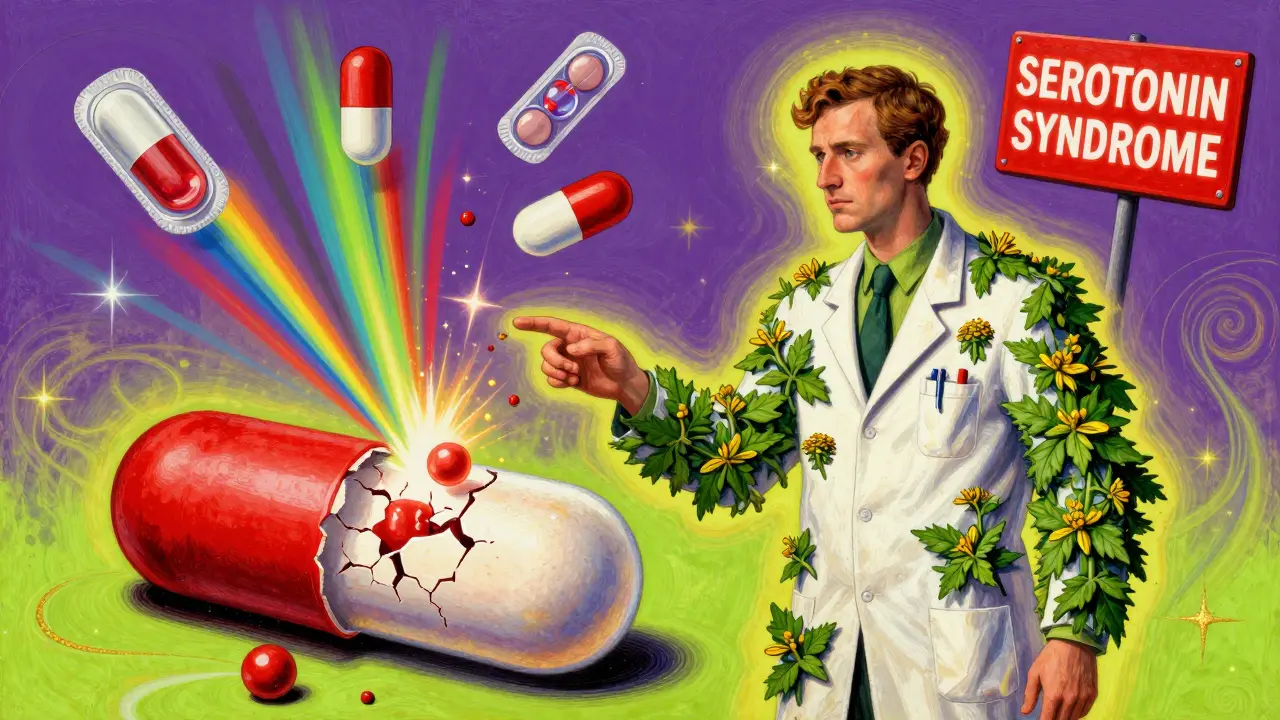
Garlic, Ginseng, and Other Hidden Risks
Garlic supplements - often taken for heart health or immunity - can reduce the effectiveness of saquinavir, an HIV drug, by over 50%. That’s not a small drop. It’s enough to make the medication useless. In a 2019 University of Washington study with 18 healthy volunteers, garlic cut saquinavir’s concentration so sharply that it could lead to treatment failure. Ginseng is another troublemaker. It can interfere with blood pressure medications. Some studies show it lowers systolic pressure by 10-15 mmHg beyond what the drug already does, risking dizziness, fainting, or falls - especially dangerous for older adults. It can also interact with monoamine oxidase inhibitors (MAOIs), raising the risk of serotonin syndrome. Even something as simple as chamomile tea can be risky. It has mild blood-thinning properties and can amplify the effect of anticoagulants. And while cranberry juice is often thought to help with UTIs, its interaction with warfarin is still debated. Some studies show minor INR increases; others show none. But with warfarin, you can’t afford to gamble. If you drink cranberry juice regularly and take blood thinners, get your INR checked more often.What About "Safe" Herbs Like Milk Thistle or Saw Palmetto?
Not all herbs are equally dangerous. According to Memorial Sloan Kettering’s 2023 database, milk thistle, saw palmetto, black cohosh, and American ginseng are considered low-risk for most people. But "low-risk" doesn’t mean "no risk." Milk thistle is often taken for liver support. While it doesn’t strongly affect drug metabolism, it can still alter how some medications are processed - especially in people with existing liver disease. Saw palmetto, used for prostate health, has minimal documented interactions, but it’s still a plant compound with biological activity. If you’re on finasteride or other prostate meds, don’t assume it’s harmless. The problem isn’t just the herb itself - it’s the combination. One herb might be fine alone. Two or three together? That’s where things get unpredictable. And if you’re on multiple prescriptions, the risk multiplies.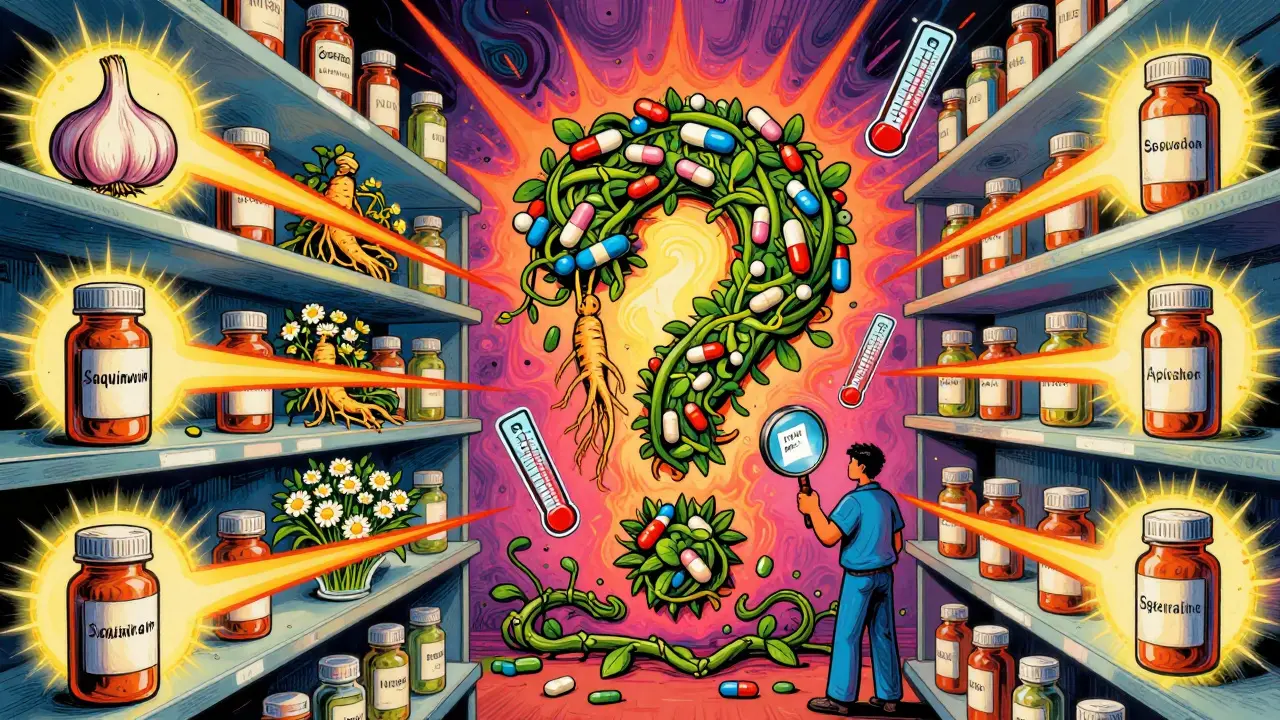
How to Protect Yourself
Here’s what you can do right now to stay safe:- Always tell your doctor and pharmacist - every time you visit - about every supplement you take. Include teas, tinctures, powders, and capsules. Don’t say "I just drink herbal tea." Say exactly what’s in it.
- Check your labels. Many supplements contain hidden herbs. A "brain health" blend might have ginkgo. A "mood support" capsule might have St. John’s Wort. Read the ingredients list like a scientist.
- Use the NCCIH Herb-Drug Interaction Checker. It’s free, updated quarterly, and classifies interactions by severity. If something says "Life-threatening," don’t take it with your meds.
- Watch for warning signs. If you feel dizzy, unusually tired, bruise easily, bleed more than normal, or notice changes in mood or heart rate after starting a new supplement, stop it and call your doctor.
- Don’t rely on Reddit or Facebook groups. Personal stories aren’t science. Someone might say, "I took ginkgo with warfarin and felt fine," but that doesn’t mean it’s safe for you.
What’s Being Done to Fix This?
There’s growing recognition that this is a public health crisis. The European Medicines Agency already has a standardized system for rating herb-drug interactions. The U.S. is catching up. Epic Systems, the largest electronic health record provider, plans to integrate the NCCIH database into medication reconciliation workflows by Q3 2025. That means when your doctor prescribes a new drug, the system might flag if you’re taking ginkgo or St. John’s Wort. But until then, the burden is on you. The FDA can’t act until someone gets hurt. And they get only a fraction of the reports - experts estimate 95% of adverse events go unreported. The supplement industry is big business - worth over $62 billion in herbal products alone. But profits don’t equal safety. And no label will ever say: "This may kill you if you’re on blood thinners."Final Advice: When in Doubt, Skip It
If you’re taking prescription medications, the safest approach isn’t to research every herb. It’s to assume anything you put in your body could interfere - unless proven otherwise by your doctor. Herbal supplements aren’t inherently bad. But they’re not harmless either. They’re powerful botanicals with real, measurable effects on your body’s chemistry. And when mixed with drugs, the results can be unpredictable, dangerous, or fatal. Don’t wait for a hospital visit to learn the hard way. Talk to your doctor. Get your INR checked. Read the label. And if you’re unsure - don’t take it. Your health isn’t worth the gamble.Can herbal supplements really interfere with my prescription drugs?
Yes. Many herbal supplements affect how your body absorbs, breaks down, or responds to prescription medications. For example, St. John’s Wort can cut the effectiveness of birth control pills and antidepressants by up to 40%. Ginkgo biloba can increase bleeding risk when taken with warfarin or aspirin. These aren’t rare cases - they’re well-documented in medical studies.
Is it safe to take ginkgo biloba if I’m on blood thinners?
No. Ginkgo biloba interferes with blood clotting and significantly increases bleeding risk when combined with anticoagulants like warfarin, apixaban, or rivaroxaban. Studies show it can raise INR levels dangerously high - sometimes within days. At least 23 serious bleeding events, including 3 deaths, have been linked to this combination since 2010. Avoid ginkgo entirely if you’re on blood thinners.
Why don’t my doctors know about my herbal supplements?
Most patients don’t tell them. A 2019 University of Michigan survey found 76% of supplement users believe "natural means safe," and 63% aren’t aware supplements can interact with medications. Doctors often don’t ask, and patients assume it’s not important. But if you’re taking any supplement - even tea or capsules - you must mention it at every visit. Your life could depend on it.
What should I do if I’m already taking St. John’s Wort and antidepressants?
Stop taking St. John’s Wort immediately and contact your doctor. Combining it with SSRIs or other antidepressants can cause serotonin syndrome - a potentially fatal condition with symptoms like high fever, muscle rigidity, rapid heartbeat, and confusion. This interaction is well-documented and strongly warned against by the American Academy of Family Physicians. Don’t taper off on your own; get medical guidance.
Are there any herbal supplements that are generally safe with medications?
Some, like milk thistle, saw palmetto, and black cohosh, are classified as low-risk in most cases. But "low-risk" doesn’t mean risk-free. Even these can interact in certain individuals, especially if you’re on multiple medications or have liver or kidney issues. Always check with your doctor or pharmacist before starting any new supplement, no matter how "harmless" it seems.
Solomon Ahonsi
February 2, 2026 AT 14:33So let me get this straight - we’re supposed to trust a $62 billion industry that doesn’t have to prove anything works, while doctors who get paid to save lives don’t even ask about your ‘natural’ tea? Classic. I’ve seen people on blood thinners chugging ginkgo like it’s kombucha. One guy ended up in the ER with a hemorrhage. No one told him it was the ‘memory boost’ he bought at the gas station. We’re not talking about chamomile. We’re talking about chemical warfare in a bottle labeled ‘herbal wellness.’
George Firican
February 2, 2026 AT 19:26The entire paradigm of ‘natural equals safe’ is a cultural delusion rooted in romanticized notions of pre-industrial healing - as if our ancestors didn’t die from poisonous plants or unregulated tonics. The problem isn’t herbs themselves, but the illusion of control they provide. We want to believe we can fix complex biological systems with a capsule from a shelf, bypassing the messy, inconvenient reality of medical science. But biology doesn’t care about your intentions. It responds to pharmacokinetics, enzyme inhibition, receptor binding - not marketing slogans. The real tragedy isn’t the interaction - it’s that we’ve outsourced our responsibility to a system that profits from our ignorance.
Matt W
February 4, 2026 AT 09:17I get why people do this. I used to take St. John’s Wort for anxiety before my doctor told me I was on sertraline. I thought, ‘It’s just a plant, how bad could it be?’ Turns out, really bad. I had that weird jittery feeling, sweating like crazy, heart racing - didn’t connect it until my pharmacist pulled me aside. I’m so glad I didn’t ignore it. Just talk to your doctor. Even if you think it’s ‘nothing.’ They’ve seen it all. Seriously.
Anthony Massirman
February 4, 2026 AT 10:18St. John’s Wort + birth control = unplanned baby. Done.
Nick Flake
February 5, 2026 AT 19:16Imagine if every drug had a warning label like: "This may kill you if you’re on blood thinners." We’d live in a world of panic and paranoia. But here’s the twist - we already do. We just call it "normal." The supplement industry thrives because it sells hope, not science. And hope is cheaper than a doctor’s visit. But hope doesn’t stop bleeding. It doesn’t reverse organ rejection. It doesn’t bring back someone who took a "natural mood booster" and ended up in ICU. We need regulation. Not because we’re afraid of plants - because we’re afraid of people being stupid with them.
Brett MacDonald
February 6, 2026 AT 10:23so like… if i take garlic pills and im on hiv meds… is that like… bad? i mean i just wanna not get sick. also i read on reddit that ginkgo is good for your brain so i started taking it. my head feels kinda fuzzy now. is that normal? 🤔
Ansley Mayson
February 8, 2026 AT 06:29Why are we even having this conversation? People who take supplements are just lazy. They don’t want to fix their diet or sleep or stress. They want a magic pill. Then they wonder why they’re sick. The FDA doesn’t regulate supplements because they’re not medicine. If you want to treat depression, see a therapist. If you want to lower blood pressure, exercise. Not drink ginkgo tea and hope for the best. This isn’t a crisis. It’s a consequence.
Hannah Gliane
February 9, 2026 AT 17:15Oh wow, someone finally said it. 🙄 I’ve been telling my cousin for years not to mix St. John’s Wort with her antidepressants. She says "but it’s organic!" like that makes it a magic shield against biology. Honey, if your body can metabolize a drug, it can metabolize a plant. And plants? They’re basically chemical bombs with leaves. You wouldn’t pour bleach in your coffee. Don’t pour ginkgo in your blood thinners. 🤦♀️
Ellie Norris
February 10, 2026 AT 00:14Just a heads up - I work in a pharmacy and we get this ALL the time. Someone comes in with a bottle of "herbal heart support" and it’s got ginkgo, garlic, and hawthorn in it. All three thin the blood. And they’re on warfarin. We have to call their GP immediately. Most people have no idea what’s in their supplements. Labels are a joke. I always say: if you can’t pronounce it, don’t take it. Or better yet - ask us. We’re here to help, not judge. 😊
Marc Durocher
February 11, 2026 AT 17:23That Reddit user who said their INR hit 8.2? That’s not a coincidence. That’s a warning sign someone ignored for weeks. I’ve got a friend who took ginkgo for "brain fog" and ended up in surgery for a GI bleed. No one told him. No one asked. And now he’s on disability. This isn’t a niche issue. It’s a silent epidemic. The real problem? We treat supplements like candy. They’re not. They’re drugs with better PR.
clarissa sulio
February 12, 2026 AT 11:26Why is everyone acting like this is new? My mom took garlic for cholesterol and got hospitalized for bleeding. She didn’t even know it could do that. We’ve known this for years. The real issue is that people think their doctor should know everything they do. Newsflash: doctors are busy. They don’t read your mind. If you take something, say it. Out loud. Every time. Even if you think it’s "just tea."
Bridget Molokomme
February 12, 2026 AT 20:07So… St. John’s Wort makes birth control useless? 😳 I mean… I guess I know why my friend got pregnant after switching to "natural mood support." She swore it was "just a little" and "her body handled it fine." Yeah. And now she’s got a 6-month-old and zero idea how it happened. Classic. I’m deleting all my herbal supplements from my cart. No more "natural" shortcuts. If it’s not FDA-approved, I’m not touching it. 😅