Cancer Clinical Trials: Phases and Participation Benefits
 Feb, 21 2026
When someone is diagnosed with cancer, the road ahead often feels overwhelming. Treatment options seem endless, but also uncertain. That’s where cancer clinical trials come in - not just as a last resort, but as a carefully structured path to new, potentially life-saving treatments. These aren’t experiments in the way most people imagine. They’re methodical, regulated, and designed to protect patients while finding better ways to fight cancer.
How Cancer Clinical Trials Work: The Four (or Five) Phases
Cancer clinical trials follow a strict, step-by-step system that’s been refined over decades. This system exists for one reason: to make sure new treatments are safe before they’re widely used. There are typically four main phases, with a fifth - Phase 0 - sometimes used for very early testing.
Phase 0 is the smallest and shortest. It involves just 10 to 15 people. The goal? Not to cure cancer, but to see if a drug even reaches cancer cells and how the body processes it. Researchers use tiny, non-therapeutic doses to gather data. It’s like testing a key to see if it fits the lock before trying to turn it.
Phase I is where safety takes center stage. Around 20 to 80 people join, usually those who’ve tried all standard treatments. The focus is simple: what’s the highest dose we can give without causing dangerous side effects? Scientists start with very low doses and slowly increase them, watching closely for reactions. This phase can last months. It’s the riskiest because it’s often the first time the treatment is used in humans. But strict rules - like stopping if too many side effects appear - keep participants as safe as possible.
Phase II shifts from safety to effectiveness. About 50 to 100 people take part, all with the same type of cancer. Researchers want to know: does this treatment shrink tumors? Slow growth? Improve survival? This phase also continues monitoring side effects. If a treatment shows promise here, it moves forward. But here’s the hard truth: about half of all treatments that enter Phase II don’t make it to Phase III. Either they don’t work well enough, or the side effects are too severe.
Phase III is the big test. Hundreds or even thousands of people join, spread across multiple hospitals - sometimes countries. This is where the new treatment is directly compared to the current standard. Half might get the new drug; half get the usual care. Neither patients nor doctors always know who got what (that’s called a double-blind trial). The goal? To prove the new treatment is better - or at least not worse. These trials can last years. If results are strong, the drug can apply for approval.
Phase IV happens after the treatment is already on the market. Thousands more patients take it. Researchers watch for rare side effects that only show up over time. They also look at how it works in everyday life - not just in hospitals. This phase can last decades. It’s how we learn that a drug might cause heart problems after 10 years, or that it works better when taken with food.
Why Participate? Real Benefits for Patients
People join clinical trials for many reasons. Some are out of options. Others want to help others. But the benefits are real - and often more than people expect.
First, participants get access to treatments not yet available to the public. A woman in her 50s with stage 4 melanoma in a Phase II trial in 2022 was given an immunotherapy drug that had never been approved. Her tumors shrank. Three years later, she’s cancer-free. That wouldn’t have happened without the trial.
Second, care is often more thorough. A 2022 survey of 1,200 trial participants found that 78% felt they received more attention than in standard care. Doctors check in more often. Blood tests are more frequent. Side effects are tracked closely. Many patients say their care team felt more invested.
Third, there’s purpose. In a National Comprehensive Cancer Network study, 85% of participants said helping future patients gave them strength. One man in a Phase III trial for lung cancer put it simply: “I didn’t want my kids to remember me as someone who just gave up.”
And yes - you might get the new treatment. But even if you don’t, you’re still getting excellent care. In randomized trials, the control group usually gets the best current treatment available. So you’re not being left behind.
The Hard Truths: Challenges and Barriers
It’s not all easy. Many people want to join - but can’t.
Eligibility rules are strict. The average trial has 28 inclusion and exclusion criteria. That means you might be too old, too young, have another health condition, or have tried a similar drug before. About 80% of cancer patients don’t qualify. That’s not just a statistic - it’s someone’s reality.
Logistics are tough. One participant on Reddit described driving three hours each way for every appointment while still feeling sick from treatment. Transportation, time off work, childcare - these are real barriers. In the same 2022 survey, 42% of participants struggled with logistics. Transportation was the biggest issue.
Then there’s fear. About 63% of people worry they’ll get the placebo or standard treatment instead of the new drug. But in cancer trials, placebos are rare. Most often, you’re getting either the new treatment or the best existing one. Still, the uncertainty is stressful.
And not all trials are created equal. NCI-designated cancer centers scored 4.3 out of 5 on patient support. Non-specialized centers? Just 3.1. The difference? Patient navigators. These are trained staff who help you understand your options, book appointments, find transportation, and answer questions. If you’re considering a trial, ask if the center has one.
What’s Changing? The Future of Cancer Trials
The system isn’t stuck in the past. It’s evolving.
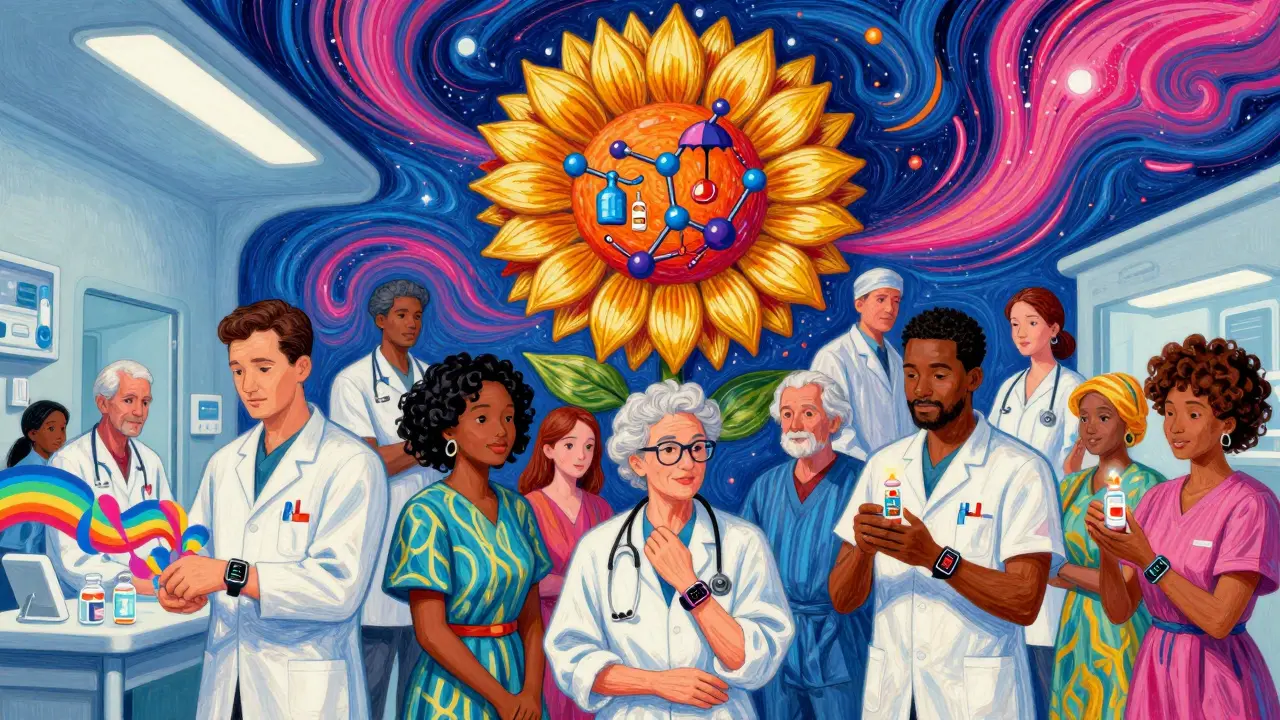
Master protocols - like basket and umbrella trials - are now used in 32% of new oncology trials. Instead of testing one drug for one cancer, these trials test multiple drugs across different cancers that share the same genetic mutation. It’s faster. More precise. And more inclusive.
Wearables are now in 68% of Phase III trials. Smart watches track heart rate, sleep, activity - even nausea. That means fewer trips to the clinic. More real-time data. Less burden.
Decentralized trials are coming. By 2025, 45% of cancer centers plan to offer hybrid models - where some visits happen at home via video or mail-in tests. This could open trials to people who live far from major hospitals.
And diversity is finally being addressed. Only 8% of trial participants are Black, even though Black people make up 13% of cancer cases. New initiatives are working to fix that - through community outreach, language support, and trust-building.
How to Get Started
If you’re thinking about a clinical trial, here’s how to begin:
- Ask your oncologist. They may know of trials you’re eligible for.
- Check the National Cancer Institute’s database: clinicaltrials.gov (search by cancer type and location).
- Look for NCI-designated cancer centers - they have more trials and better support.
- Ask about a patient navigator. If they don’t have one, ask why.
- Bring a friend or family member to your first meeting. The information is complex.
You don’t have to decide right away. Most trials give you time. You can leave at any point. And you’ll always be informed - no surprises.
Who Funds These Trials?
Not all trials are run by drug companies. About 40% are sponsored by pharmaceutical firms. Another 35% come from academic research groups, like university hospitals. And 25% are funded by the government - through the National Cancer Institute or other agencies. That means you can join a trial that’s not trying to sell you a drug. It’s just trying to find the best treatment.
The global market for cancer trials is growing fast - from $28.7 billion in 2022 to an expected $52.3 billion by 2028. That growth isn’t just about profit. It’s about progress.
Final Thoughts
Cancer clinical trials aren’t perfect. They’re slow. They’re complex. They leave many people out. But they’re also the reason we have treatments today that didn’t exist a decade ago. Immunotherapies. Targeted pills. Liquid biopsies. All came from trials.
Participating doesn’t mean you’re a guinea pig. It means you’re part of a team - with doctors, researchers, and other patients - working to turn science into hope. And sometimes, that hope becomes your own.
Are cancer clinical trials only for people who have run out of options?
No. While many participants join when standard treatments have failed, trials exist at every stage of cancer care. Some test new drugs alongside standard therapy to see if they work better together. Others focus on prevention or early detection in people at high risk. You don’t have to be out of options to qualify.
Can I leave a clinical trial once I’ve joined?
Yes. Participation is always voluntary. You can withdraw at any time, for any reason - without penalty or loss of future care. Your medical team will help you transition back to standard treatment if needed.
Will I know if I’m getting the experimental treatment or the standard one?
In randomized trials, you usually won’t know which group you’re in - this is called a blinded study. It helps scientists get accurate results. But you will always know whether you’re getting a new treatment or the current standard. Placebos are rarely used in cancer trials unless there’s no other option.
What if I live far from a major cancer center?
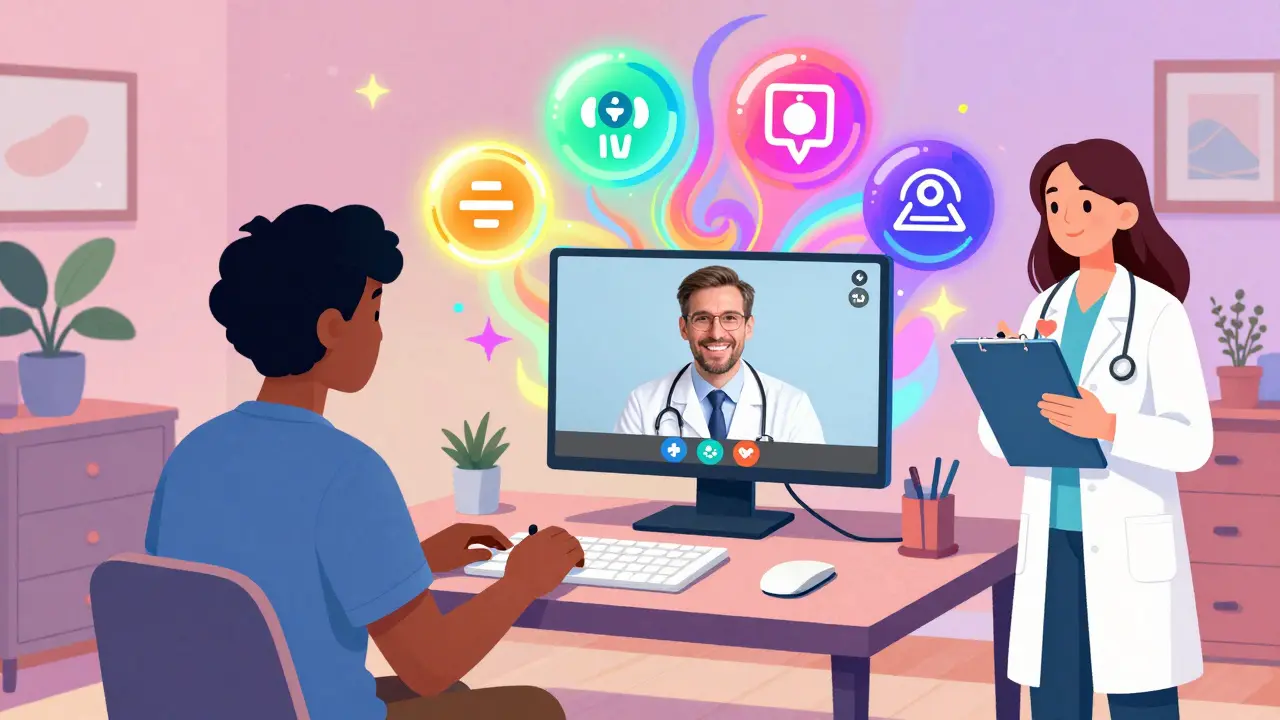
Travel can be a barrier, but it’s not impossible. Some trials now offer hybrid models - combining in-person visits with remote monitoring using wearables or at-home tests. Patient navigators can also help arrange transportation or lodging. Ask about these options early.
Are clinical trials expensive?
Usually not. The trial sponsor typically covers the cost of the experimental treatment and extra tests required for research. Your regular care - like routine blood work or scans - is often billed to your insurance, just like standard treatment. Always ask for a clear breakdown of costs before joining.
How long does it take to get into a trial?
From first inquiry to enrollment, it typically takes about two weeks on average. Some trials move faster; others take longer due to complex eligibility checks. The screening process includes medical records review, lab tests, and sometimes imaging. Patience helps - but so does asking questions.
Stephen Archbold
February 22, 2026 AT 16:02Nerina Devi
February 23, 2026 AT 19:45Dinesh Dawn
February 23, 2026 AT 20:12Nick Hamby
February 25, 2026 AT 01:52kirti juneja
February 25, 2026 AT 09:16Haley Gumm
February 27, 2026 AT 03:12Gabrielle Conroy
February 27, 2026 AT 21:58Lillian Knezek
February 28, 2026 AT 23:11Maranda Najar
March 2, 2026 AT 02:45Christopher Brown
March 2, 2026 AT 11:22Sanjaykumar Rabari
March 4, 2026 AT 10:10Christina VanOsdol
March 5, 2026 AT 00:01