Stimulants for ADHD: What You Need to Know About Cardiovascular and Sleep Side Effects
 Feb, 28 2026
When you hear about ADHD medications, the first thing that comes to mind is usually improved focus, better school performance, or less impulsivity. But for many families, there’s a quieter, more worrying question: What are these drugs doing to the heart and sleep? It’s not just a side note - it’s a real part of the decision-making process. And the truth is, the risks are smaller than many fear, but they’re not zero.
How Stimulants Work - and Why They Affect Your Heart
ADHD stimulants like Ritalin, Concerta, Adderall, and Vyvanse don’t just ‘wake up’ the brain. They increase levels of dopamine and norepinephrine - chemicals that help with attention and impulse control. But those same chemicals also affect your heart and blood vessels. That’s why even a small change in heart rate or blood pressure can matter.
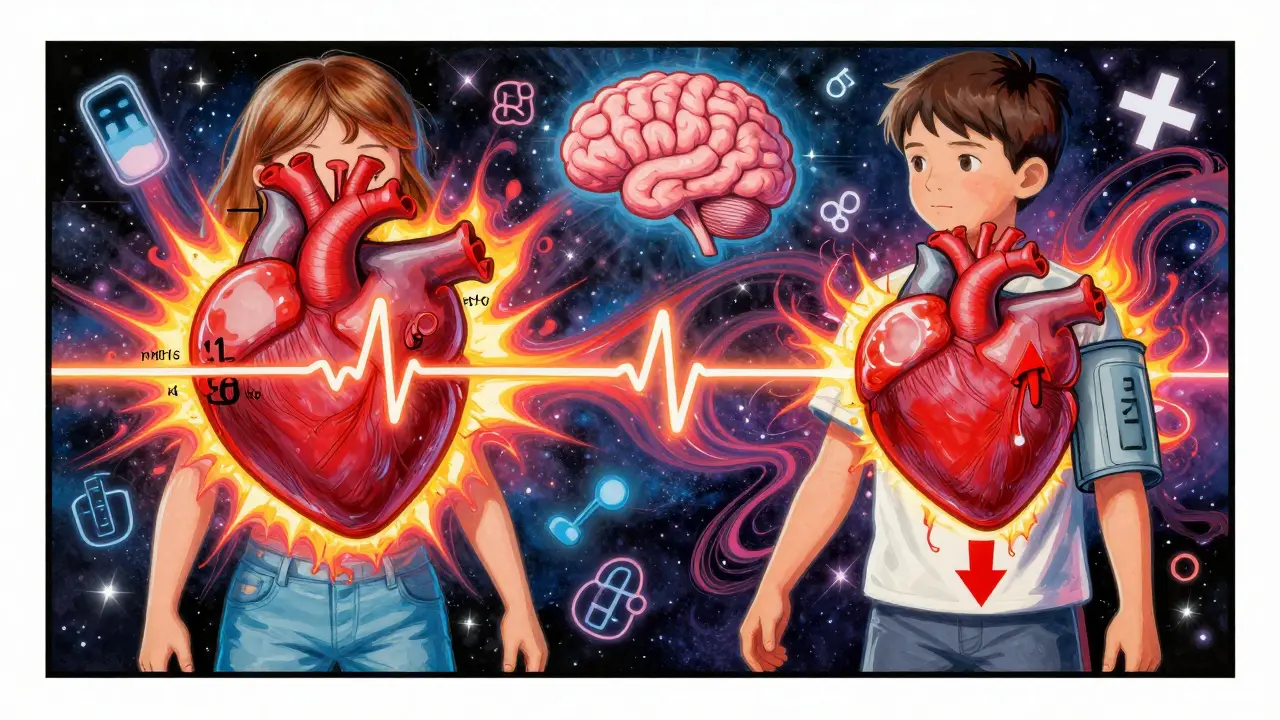
Research from the University of Southampton in 2025, analyzing data from dozens of clinical trials, found that on average, stimulants raise systolic blood pressure by 1-4 mmHg and heart rate by 1-2 beats per minute. That might sound tiny. But when you consider that a 10-beat-per-minute increase in heart rate is linked to a 20% higher risk of cardiac death, even small shifts add up over time.
And it’s not just stimulants. A 2024 study in JAMA Psychiatry followed over 10,000 people for 14 years and found that long-term ADHD medication use - especially stimulants - was tied to a 17% higher risk of cardiovascular disease, including high blood pressure and artery problems. The risk climbed steadily during the first three years of use. Another 2024 study from the American College of Cardiology found that young adults on stimulants were 17% more likely to develop cardiomyopathy within a year - and 57% more likely after eight years.
But here’s what most people miss: these are relative risks. The absolute risk is still very low. For every 1,000 people taking stimulants, only a handful might experience a serious heart issue. That’s why experts like Dr. Pauline Gerard from the University of Colorado say, “I don’t think this is a reason to stop prescribing these medications.” The benefits - better grades, fewer accidents, improved relationships - often far outweigh the small chance of a heart problem.
Stimulants vs. Non-Stimulants: What’s the Difference?
Many assume only stimulants affect the heart. That’s not true.
The University of Southampton’s 2025 study found that non-stimulants like atomoxetine (Strattera) and viloxazine (Qelbree) caused nearly identical increases in blood pressure and heart rate. That’s a surprise to many doctors who think non-stimulants are safer for the heart. The only exception? Guanfacine (Intuniv). It actually lowers blood pressure and heart rate - making it a smart option for kids with high BP or heart rhythm issues.
And then there’s the long QT syndrome question. Some ADHD meds are flagged as “conditional risk” by CredibleMeds.org because they might prolong the QT interval - a heart rhythm marker. But studies conflict. One study of 48 kids with congenital long QT syndrome found more fainting episodes on stimulants. Another study of 28 kids with the same condition found fewer events than in kids with long QT who weren’t on ADHD meds. So, it’s not a hard no. It’s a careful yes - with a cardiologist’s input.
What About Sleep? It’s More Common Than You Think
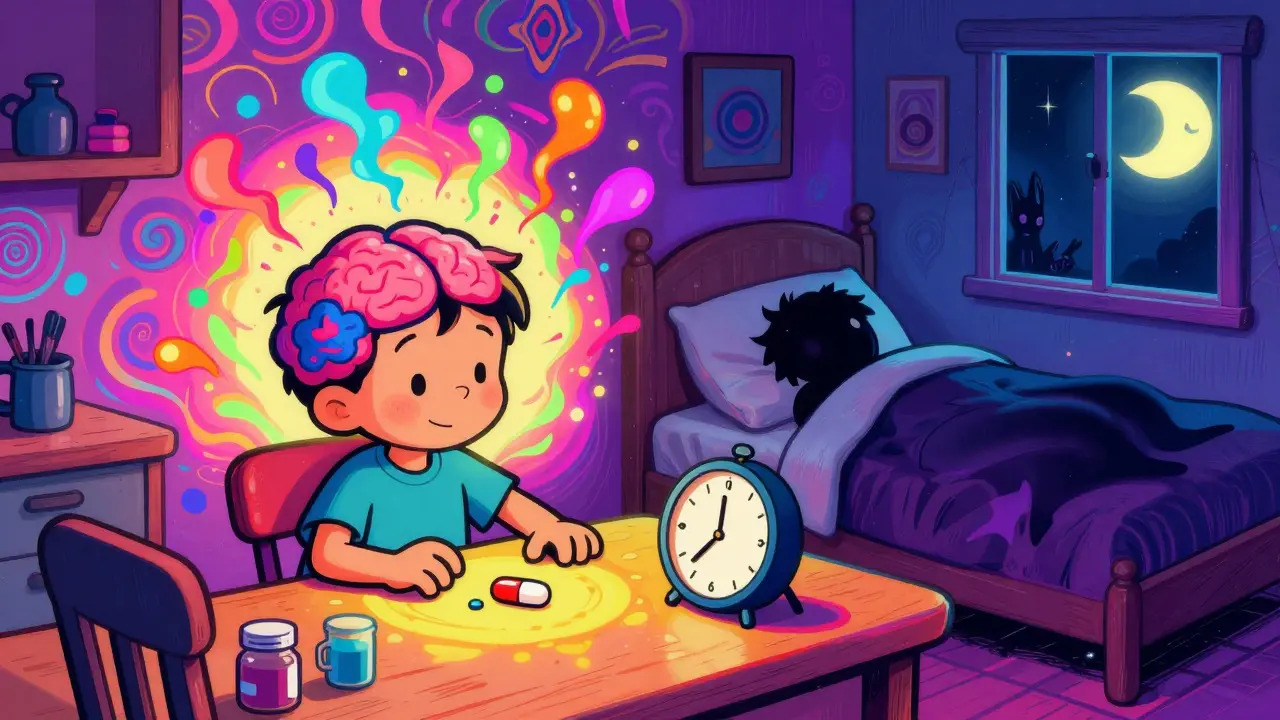
If your child is tossing and turning after taking their ADHD pill, you’re not alone. Around 30-50% of patients report trouble falling asleep when they start stimulant treatment. It’s not just about being “too wired.” Stimulants delay the body’s natural wind-down process. Studies show sleep latency - the time it takes to fall asleep - increases by 15-30 minutes on average compared to placebo.
Extended-release pills make this worse. If someone takes a 12-hour dose at 7 a.m., the medication can still be active at 7 p.m. - right when the brain should be preparing for sleep. That’s why many families switch to morning-only dosing or switch to a shorter-acting version.
Non-stimulants like atomoxetine can cause drowsiness at first, but that usually fades. Guanfacine? It often helps with sleep. One study showed kids on guanfacine fell asleep faster and slept more soundly - even if they weren’t taking it specifically for sleep.
Simple fixes work: move the dose earlier. Skip the afternoon pill. Try melatonin - 0.5 to 5 mg, taken 1-2 hours before bed. It’s not a cure, but it helps many kids get back to a normal rhythm.
Who Needs Extra Monitoring?
You don’t need an ECG before every prescription. The American Academy of Pediatrics and the American Academy of Neurology both say routine heart scans aren’t necessary. But some people need more attention.
Go for a full cardiac check if:
- There’s a family history of sudden cardiac death before age 50
- Your child has unexplained fainting, chest pain, or palpitations
- They have a known heart condition, like arrhythmia or cardiomyopathy
- They’re on high doses (over 0.6 mg/kg/day of methylphenidate or equivalent)
For these cases, a baseline ECG and cardiology consult make sense. But for most kids - healthy, active, no red flags - just tracking blood pressure and pulse every 3-6 months is enough.
Practical Tips for Safer Use
Here’s what works in real life:
- Start low, go slow. Begin with the lowest dose (e.g., 5 mg methylphenidate) and increase by 5-10 mg weekly. This lets you see how the body reacts before pushing higher.
- Take it early. Never give stimulants after 2 p.m. If sleep problems persist, switch to a short-acting version taken only in the morning.
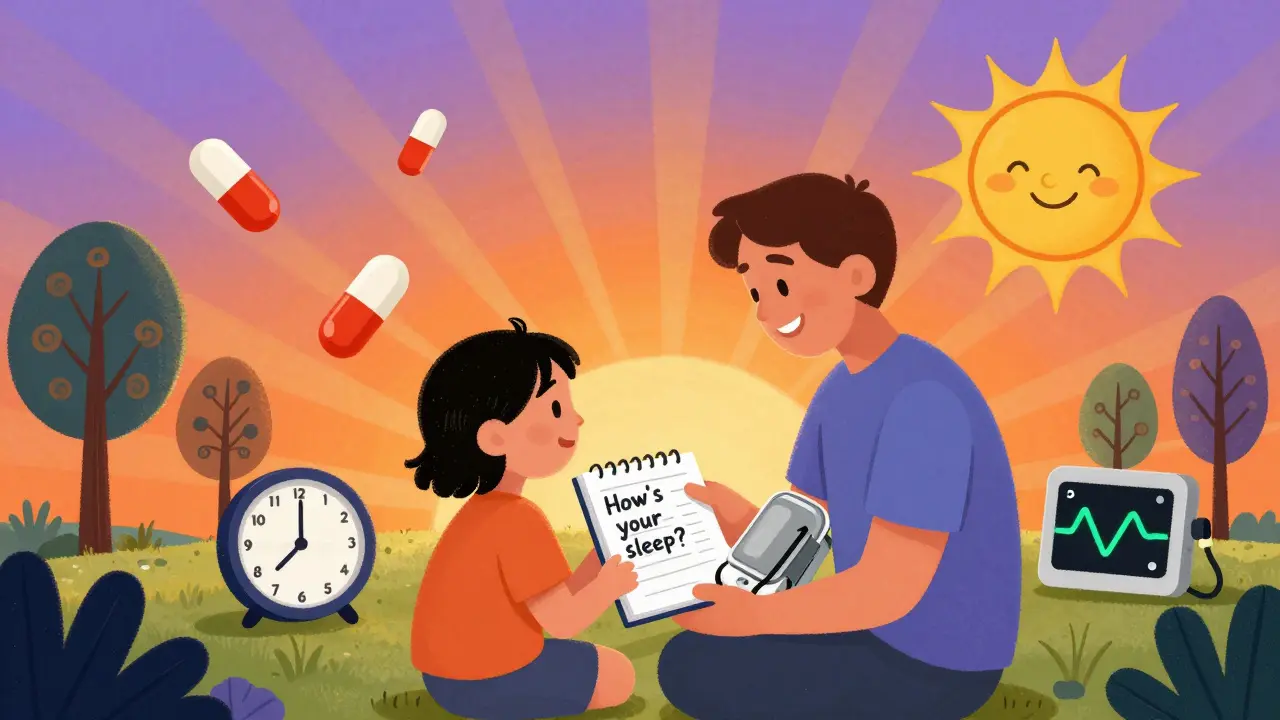
- Monitor at home. Keep a simple log: blood pressure and pulse twice a week for the first month, then once a month. Many pharmacies have free machines.
- Watch for symptoms. If your child says their heart is racing, feels dizzy, or has chest tightness - pause the med and call the doctor.
- Don’t skip the talk. Ask: “How’s your sleep?” “Any weird heart sensations?” These questions matter more than any test.
And if you’re worried about long-term heart health? The 2024 ACC study suggests future tools - like a risk calculator using age, dose, and genetic markers - will help personalize decisions. But for now, careful monitoring is the best tool we have.
The Bigger Picture: Benefits Outweigh Risks
Over 70-80% of kids with ADHD respond well to stimulants. Their grades improve. They argue less with siblings. They stop getting in trouble at school. A 2023 survey by CHADD found 78% of parents rated medication effectiveness as “good” or “excellent” - even though nearly half reported side effects.
The number needed to harm - how many kids you’d have to treat before one had a serious heart event - is over 1,000. Meanwhile, untreated ADHD carries its own risks: higher rates of car crashes, job loss, substance use, and even suicide.
So yes, stimulants can affect your heart and sleep. But they don’t have to stop you from using them. They just need to be used wisely.
Do ADHD stimulants cause heart attacks in kids?
Serious heart events like heart attacks in children on ADHD stimulants are extremely rare. While studies show a small increased risk of high blood pressure and heart rhythm changes over time, the actual number of heart attacks linked to these medications is very low. The biggest risk is in kids with pre-existing heart conditions or a strong family history of sudden cardiac death. For most healthy children, the benefits of improved focus and behavior far outweigh this minimal risk.
Can I stop the medication if my child has trouble sleeping?
Not necessarily. Sleep problems often improve after a few weeks as the body adjusts. Try adjusting the timing first - give the dose earlier in the day, or switch to a shorter-acting version. Adding melatonin (0.5-5 mg) before bed can also help. If sleep issues persist after trying these steps, talk to your doctor about switching to a non-stimulant like guanfacine or atomoxetine, which are less likely to interfere with sleep.
Are non-stimulant ADHD meds safer for the heart?
Not always. While many assume non-stimulants like Strattera or Qelbree are gentler on the heart, recent studies show they raise blood pressure and heart rate just as much as stimulants. The only exception is guanfacine, which actually lowers both. So, if heart health is a major concern, guanfacine may be the best non-stimulant choice - not because it’s non-stimulant, but because of its specific effect on blood pressure.
Do I need an ECG before starting ADHD medication?
No, not for most children. Major medical groups like the American Academy of Pediatrics and the American Academy of Neurology no longer recommend routine ECGs before starting ADHD meds. Instead, they advise asking about family history of heart problems, checking for symptoms like fainting or chest pain, and measuring blood pressure and pulse before and during treatment. An ECG is only needed if there’s a known heart condition, a family history of sudden death, or abnormal vital signs.
How long does it take for sleep side effects to go away?
For most kids, sleep problems from stimulants improve within 2-6 weeks as the body adapts. If sleep issues last longer than that, it’s likely not just a temporary side effect - it’s a sign the timing, dose, or medication type needs adjustment. Moving the dose earlier, reducing the dose, or switching to a different formulation often fixes it. If not, non-stimulant options are available and usually better for sleep.
ADHD medication isn’t a magic bullet - but it’s one of the most effective tools we have. The key isn’t avoiding it because of fear. It’s using it with awareness. Track the numbers. Listen to the body. Talk to your doctor. And remember: the goal isn’t to eliminate risk - it’s to manage it so your child can thrive.
Aisling Maguire
March 1, 2026 AT 04:31Angel Wolfe
March 1, 2026 AT 21:23Sophia Rafiq
March 2, 2026 AT 04:50Martin Halpin
March 3, 2026 AT 21:57Eimear Gilroy
March 4, 2026 AT 09:25Ajay Krishna
March 4, 2026 AT 14:13Charity Hanson
March 4, 2026 AT 19:05Ben Estella
March 6, 2026 AT 12:36Katherine Farmer
March 7, 2026 AT 20:41Full Scale Webmaster
March 8, 2026 AT 16:03Brandie Bradshaw
March 9, 2026 AT 12:44